

Cerebras CEO pushes back on AI doomsday warnings at Disrupt
Andrew Feldman of Cerebras argues AI's potential to cure cancer is overlooked, addressing risks pragmatically at Disrupt 2026 in San Francisco.

Stock photo for illustration only, not from the actual event
- Cerebras CEO Andrew Feldman says AI's massive potential is being overshadowed by doomsday warnings.
- He suggests AI could lead to a world where future generations never die of cancer.
- Cerebras counts major players like OpenAI, Block, Figma, GSK, and Lovable among its customers.
- Feldman notes negativity stems partly from how data centers handle AI infrastructure buildouts.
As Disrupt 2026 officially kicked off in San Francisco, running from October 13 to 15, Cerebras CEO Andrew Feldman pushed back against mounting AI doomsday warnings. He argued that the immense promise and potential accompanying artificial intelligence developments are frequently getting overlooked by critics.
Feldman believes that AI industry leaders should dedicate more time to emphasizing the positive transformations AI can bring. For instance, he points to a future where your grandchildren will never meet anyone who dies of cancer, highlighting the profound medical breakthroughs on the horizon.
Feldman's remarks highlight a critical pivot in the hardware sector, attempting to reframe the public discourse from existential dread to tangible medical and scientific milestones. While regulatory and safety concerns remain paramount, chipmakers are eager to tie their compute power directly to solving human suffering, shifting the narrative toward life-saving innovation.
Naturally, Feldman has a vested interest in the widespread success of AI, given that Cerebras' customer roster includes heavyweights such as OpenAI, Block, Figma, pharmaceutical giant GSK, and Lovable. Nonetheless, he maintains a pragmatic stance when balancing the trade-offs between inherent risks and potential rewards.
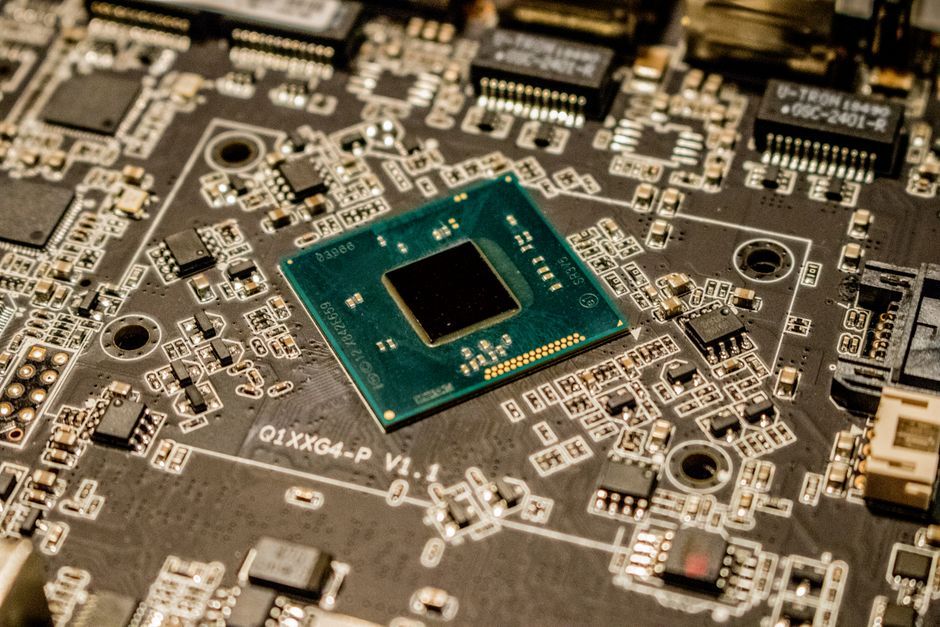
Stock photo for illustration only, not from the actual event
Addressing the roots of public skepticism, the chipmaker CEO suggested that some of the negative sentiment surrounding AI stems from how the data center industry has managed new infrastructure buildouts driven by surging AI demands.
Furthermore, Feldman expressed no concern that ongoing efficiency gains would diminish market demand for his company's chips or those of competitors like Nvidia.
"We can do our job as hardware vendors to make our compute more efficient, and then the model makers can do improved work in making their models more efficient to achieve the same goals. All of this has to come together to make meaningful strides forward."
Andrew Feldman
Source: TechCrunch
Found something wrong in this article? Report an issue with this article
Comments
Leave a Comment