

Helix Carbon uses blast furnace waste to lower iron costs
Climate tech startup Helix Carbon presented its blast furnace pollution recycling technology at TechCrunch Disrupt 2026 in San Francisco.

Stock photo for illustration only, not from the actual event
- Helix Carbon presented its blast furnace pollution recycling technology at the Startup Battlefield pitch competition during TechCrunch Disrupt 2026.
- The startup developed an electrolyzer designed to handle raw exhaust streams directly from blast furnaces without requiring prior purification.
- The technology converts carbon dioxide waste into carbon monoxide to recycle back into furnaces, cutting coke use and saving $14 per ton of iron.
- CEO David Brown outlined plans to target the specialty chemicals industry first to generate revenue before disrupting the $2 trillion steel market.
The iron and steel industries rank among the world's largest polluters. While numerous startups have attempted to curb sector emissions by developing alternative metal production methods, Helix Carbon argues those approaches are fundamentally misdirected.
David Brown, co-founder and CEO of Helix Carbon, told TechCrunch at TechCrunch Disrupt 2026 that any decarbonization attempt for the steel industry that ignores the blast furnace is bound to fail. Blast furnaces are the massive industrial vessels that convert iron ore into metallic iron for steelmaking. Rather than replacing these furnaces entirely, Helix aims to clean up their operations.
Traditional blast furnaces have smelted iron for centuries by utilizing coke, a processed form of coal, to help strip oxygen atoms away from raw iron ore. The combustion of coke provides necessary heat and generates carbon monoxide, which performs the reduction process. This heavy industrial workflow releases massive volumes of carbon dioxide directly into the atmosphere.
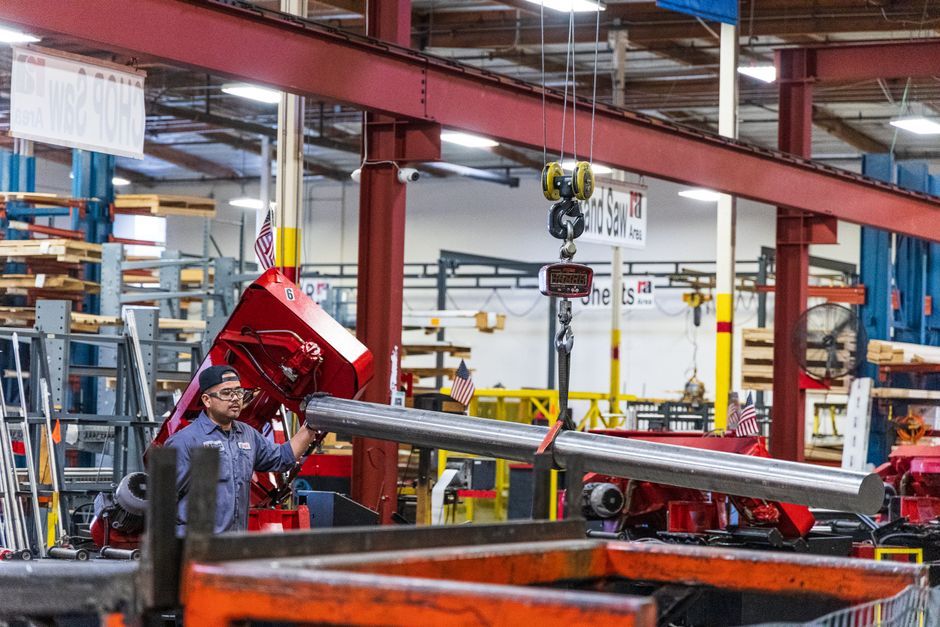
Stock photo for illustration only, not from the actual event
Helix Carbon has engineered a process utilizing an electrolyzer—a device powered by electricity and a catalyst—to detach oxygen atoms from carbon dioxide. This converts the waste gas back into carbon monoxide to be recycled directly into the blast furnace. Unlike conventional electrolyzers that require highly purified and concentrated carbon dioxide, Helix's design is robust enough to process raw exhaust streams straight from the industrial source.
By injecting carbon monoxide back into blast furnaces, iron producers can decrease their reliance on coke. While scientific literature debates the exact reduction potential—with some papers suggesting up to 90% coke elimination and others pointing to 30% to 40%—Helix Carbon proposes an initial target of replacing 33% of the material.
"That may not seem like a lot, but margins in the iron industry are famously thin."
David Brown, Co-founder and CEO of Helix Carbon
Targeting the $2 trillion iron and steel market presents unique hurdles because heavy industrial equipment has an exceptionally long lifecycle, with some blast furnaces operating for over a century. By retrofitting existing infrastructure rather than demanding complete replacement, Helix Carbon lowers the adoption barrier for manufacturers. Additionally, targeting the specialty chemicals market allows the company to monetize waste streams on-site and generate early revenue ahead of long-term adoption in heavy steel production.
Helix Carbon presented live onstage during the Startup Battlefield competition at TechCrunch Disrupt 2026, held in San Francisco from October 13 to 15.
Source: TechCrunch
Found something wrong in this article? Report an issue with this article
Comments
Leave a Comment