

Why limited war with the US may suit Iran better than peace
Tehran's surprise missile strike on a US base in Jordan suggests that Iranian leaders may view controlled confrontation as a source of greater strategic leverage than an economically isolating ceasefire.
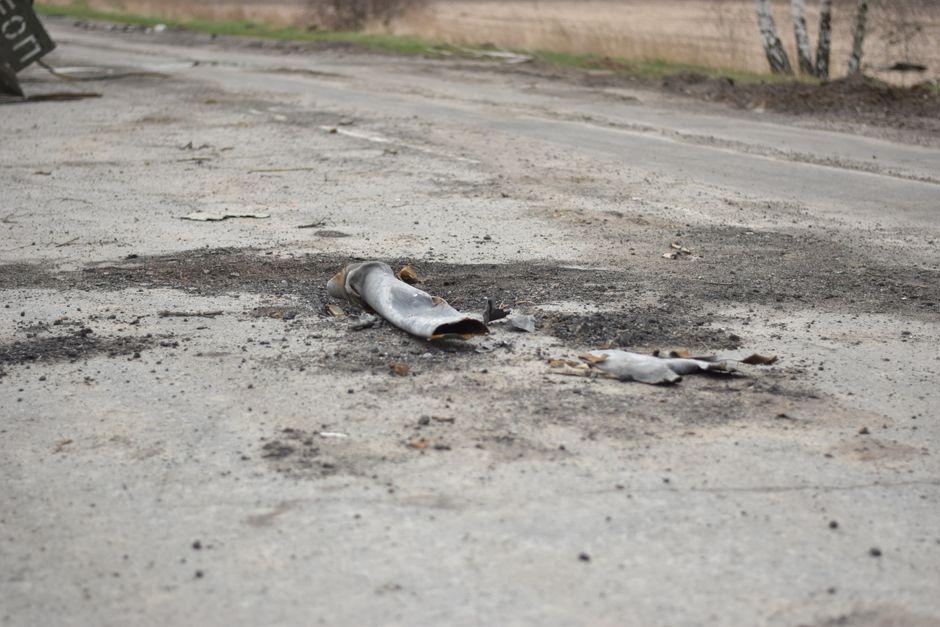
Stock photo for illustration only, not from the actual event
- The strike on a US base in Jordan shattered a fragile pause in direct fighting.
- Iran may view a limited war as a tool to secure better strategic leverage.
- Prolonged ceasefires under current sanctions leave Tehran economically isolated.
- External conflicts help suppress mounting domestic political and economic pressures.
At first glance, Iran's surprise missile strike on a US base in Jordan earlier this week appeared difficult to explain. The attack effectively ended the fragile pause in direct US-Iran fighting and prompted Washington to resume strikes inside Iran. If Tehran's priority had been a ceasefire, the strike is difficult to explain. But if Iranian leaders judge that a controlled confrontation could offer greater strategic leverage, the decision becomes more understandable.
Today, neither side appears ready for an all-out war. Washington has shown little appetite for a much broader regional conflict that could threaten energy infrastructure, draw in more countries, push oil prices higher, and stretch US military resources. Similarly, Iran is trying to avoid total war because its weakened air defences, vulnerable industrial infrastructure, and sanctions-constrained economy make rebuilding losses increasingly difficult and expensive.
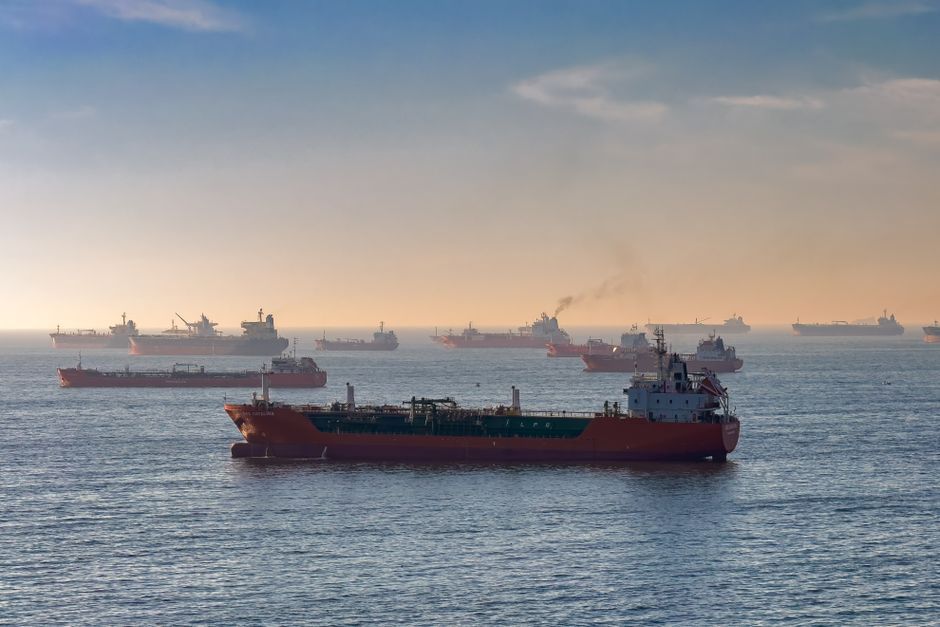
Stock photo for illustration only, not from the actual event
Contextual Analysis: A limited war strategy allows a militarily weaker nation to exert disproportionate pressure on global superpowers and regional rivals. By keeping hostilities just below the threshold of total war—utilizing maritime disruptions in the Strait of Hormuz and proxy networks like the Houthis—Iran aims to force international stakeholders to take its demands seriously without triggering a devastating full-scale military retaliation from Washington.
A prolonged ceasefire under current conditions could actually leave Tehran in a weaker position. The US naval blockade of Iranian ports would continue, sanctions would remain, and Iran would still be largely excluded from international energy markets. Meanwhile, regional oil and gas exporters such as Saudi Arabia, the UAE, and Qatar could gradually resume normal exports while Iran remained economically isolated.
A limited conflict changes this landscape. Although Iran pays a heavy military and economic price, ongoing disruptions in the Strait of Hormuz and pressure around Bab al-Mandab continue to affect global shipping, insurance costs, and energy markets. This persistent uncertainty forces governments and importers to pay attention to Tehran's demands and reshape the diplomatic narrative.
Source: BBC World
Found something wrong in this article? Report an issue with this article
Comments
Leave a Comment