

ESA targets Anbernic emulation handhelds as piracy enablers
The ESA targets Anbernic handheld gaming devices as superfake piracy enablers, even though third-party sellers are typically the ones bundling ROM-filled SD cards.

Stock photo for illustration only, not from the actual event
- The ESA has targeted Anbernic handheld consoles as piracy facilitators
- The devices are characterized as superfake piracy enablers by the organization
- Third-party sellers are routinely bundling SD cards packed with game ROMs
- Responsibility remains divided between hardware makers and independent vendors
The Entertainment Software Association has directed its focus toward Anbernic emulation handhelds, identifying these gaming devices as hardware that acts as a superfake enabler for unauthorized software distribution and piracy within the gaming sector.
Despite the strong stance taken against the hardware platform, industry observations reveal a distinct nuance regarding where the responsibility for the pre-loaded content actually lies within the supply chain.
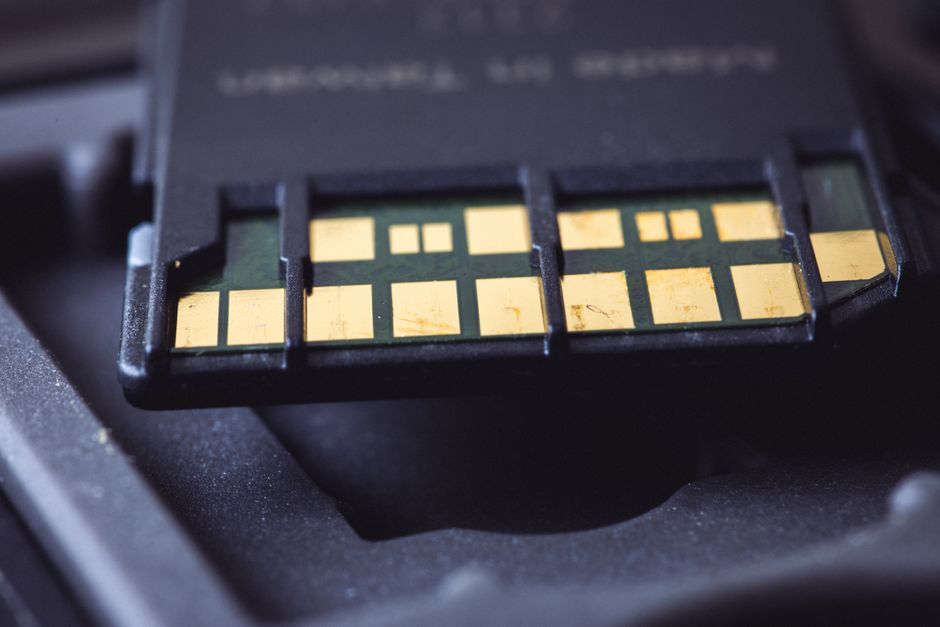
Stock photo for illustration only, not from the actual event
As it turns out, third-party sellers rather than Anbernic itself are the actors routinely responsible for distributing and bundling SD cards pre-loaded with game ROMs directly to consumers looking for classic gaming bundles.
This situation highlights the ongoing legal gray area surrounding open-source emulation hardware. While the consoles themselves are often marketed as generic emulation tools, the bundling practices of third-party vendors create significant challenges for copyright holders attempting to curb widespread software piracy.
Addressing these distribution channels remains a critical challenge for copyright enforcement agencies as they attempt to navigate hardware ecosystems where physical devices and unauthorized software content intersect through independent retail channels.
Source: Ars Technica
Found something wrong in this article? Report an issue with this article
Comments
Leave a Comment