

Future of Scottish Farming: Tea, Greenhouses, and Climate Shift
Discover how Scotland's agriculture is adapting through tea cultivation, greenhouse technology, and renewable energy to face a warming planet.

Stock photo for illustration only, not from the actual event
- Susie Walker-Munro is among a few Scottish tea growers leveraging highly acidic soil.
- The James Hutton Institute in Dundee is simulating climate conditions expected 75 years from now.
- Abundant wind farm renewable energy could drastically lower greenhouse heating costs.
- 22nd-century farmers will heavily rely on precision agriculture and farm automation.
Global climate challenges ranging from droughts and heavy downpours to plant diseases have pushed agricultural sectors worldwide to adapt. However, experts believe Scotland's relatively stable climate could offer new opportunities for local growers as the planet continues to warm.
Susie Walker-Munro, one of Scotland's few tea producers, notes that the region's acidic soil creates ideal conditions for crafting artisan brews. Harvesting her final leaves in a walled garden on her family farm near Forfar, her premium Kinnettles Gold product retails at around £40 per packet. While commercial tea is unlikely to rival mainstream supermarket brands anytime soon, she believes increasing rainfall could help boost future production yields.
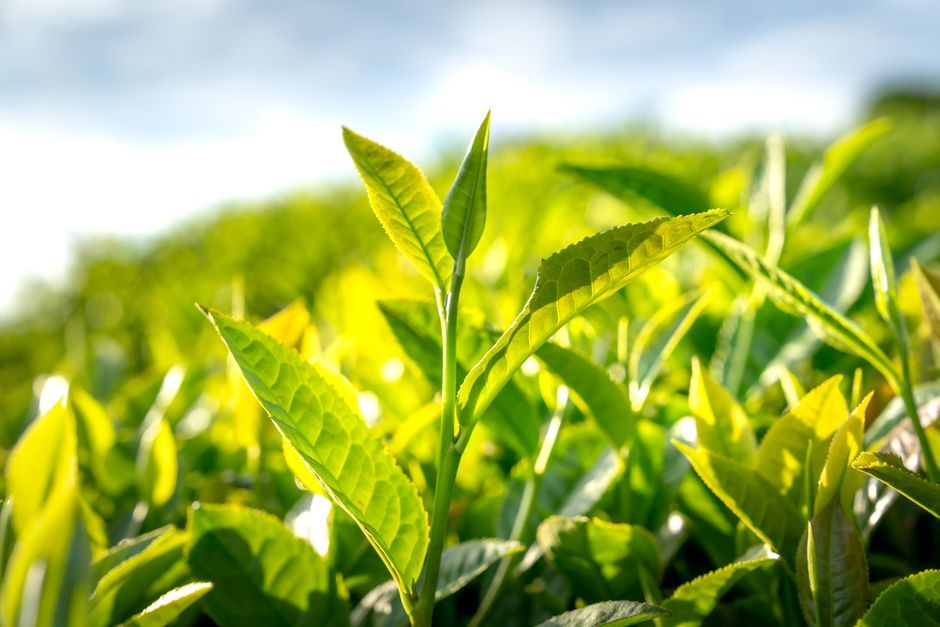
Stock photo for illustration only, not from the actual event
Nevertheless, Scotland's position at 57 degrees north latitude will always prevent year-round crop cycles like those near the equator. Susie acknowledges that tea will likely remain a niche crop rather than a major staple, though other experts argue it represents a viable diversification option for farmers facing long-term climate shifts.
Agricultural diversification is becoming a vital resilience strategy for farming communities globally. Exploring unconventional crops such as tea or warm-climate produce allows regions to future-proof their local food systems against unpredictable weather patterns and supply chain disruptions.
Rethinking traditional land management could significantly broaden Scotland's agricultural output. Pete Ritchie from Nourish Scotland points out. That nations like the Netherlands heavily utilize glasshouses, a practice that could become commonplace in Scotland to facilitate the cultivation of Mediterranean crops including tomatoes, cucumbers, aubergines, and melons. Furthermore, surplus renewable energy generated by wind farms later this century is expected to make greenhouse heating economically viable.
To prepare for projected warmer summers and wetter winters by the end of the century, the James Hutton Institute in Dundee is utilizing an advanced plant growth facility that acts as a climate simulator. Researchers control light, water, and nutrient inputs to stress-test crops like fava beans, allowing scientists to breed more resilient plant varieties. Dr. Robert Hancock emphasizes that farmers will need adequate lead time to register and implement these climate-adapted crops.
Looking toward the 22nd century, the next generation of farmers will increasingly depend on advanced agricultural technologies. David Murdoch, chair of the Scottish Association of Young Farmers, notes that while modern machinery already integrates GPS steering and automation, traditional farming skills will remain essential as rural communities navigate environmental and economic changes.
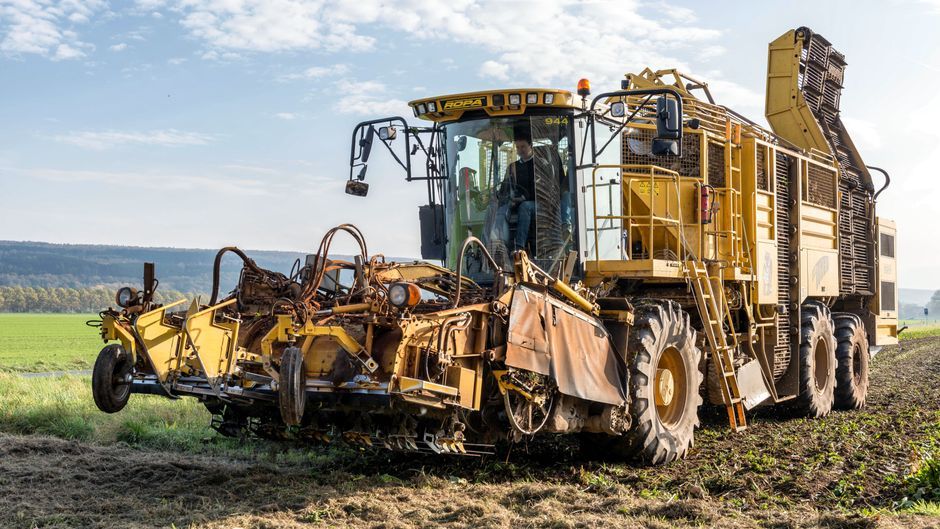
Stock photo for illustration only, not from the actual event
Source: BBC Science & Environment
Found something wrong in this article? Report an issue with this article
Comments
Leave a Comment