

Science Corporation Implants Vision-Restoring Chip
Science Corporation announces the first successful implantation of its PRIMA vision-restoring chip in a Stargardt disease patient at Sydney Eye Hospital.

Stock photo for illustration only, not from the actual event
- Max Hodak announced the first PRIMA chip implant in a patient with Stargardt disease.
- The procedure took place at Sydney Eye Hospital in Australia with successful early rehabilitation results.
- The PRIMA chip acts as an artificial photoreceptor paired with camera-equipped glasses.
- Science Corporation aims to expand brain-computer interface technology beyond computing control into medical treatments.
Neurotechnology firm Science Corporation, led by former Neuralink president and co-founder Max Hodak, has successfully implanted its PRIMA vision-restoring chip into its first patient suffering from Stargardt disease, an inherited genetic condition that progressively destroys central vision.
Speaking on stage at TechCrunch Disrupt, Hodak outlined the company's broader ambitions to expand brain-computer interface (BCI) technology into a wide array of medical applications rather than limiting it to computer control. While the PRIMA chip is already commercially available in Europe for patients experiencing vision loss from geographic atrophy, the company believes the technology can treat other conditions, including Stargardt disease, which currently lacks a cure.
Stargardt disease targets the outer retina, causing light-sensing cells to gradually die while potentially leaving the inner retina intact to relay visual signals to the brain. The condition creates a central blind spot that expands over time, affecting an estimated 150,000 individuals globally.
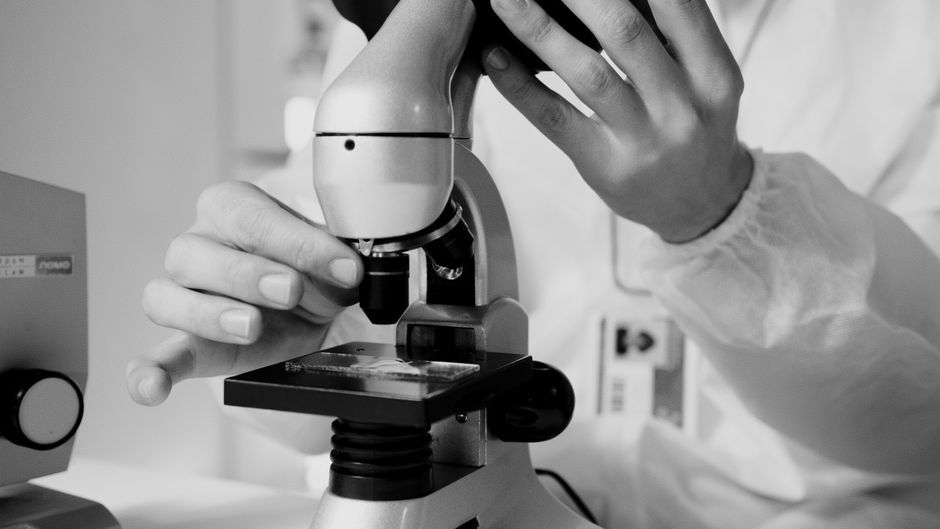
Stock photo for illustration only, not from the actual event
The company reported that its first Stargardt disease patient received the PRIMA implant back in May as part of an ongoing clinical trial at the Sydney Eye Hospital in Australia. During the patient's very first rehabilitation session, they were able to spot a letter, and by the second session, they successfully read an entire word.
The procedure involves a one-hour surgery to place a tiny chip at the back of the patient's eye where photoreceptors have degenerated. Patients then wear specialized glasses equipped with cameras that transmit environmental views directly to the chip, allowing the implant to function as artificial photoreceptors.
Science Corporation's approach to brain-computer interfaces differs fundamentally from Neuralink's method by placing its sensor inside the skull directly on top of the brain tissue rather than inserting electrodes straight into the brain. This design strategy aims to minimize tissue trauma while offering potential diagnostic monitoring benefits for neurological disorders such as brain tumors.
"We want to figure out how do we extend not just lifespan but health span,"
Max Hodak
Since founding Science Corporation in 2021 following his departure from Neuralink, Hodak has focused on building advanced neural engineering while establishing a viable business model by directly addressing blindness and restoring sight to visually impaired patients.
Source: TechCrunch
Found something wrong in this article? Report an issue with this article
Comments
Leave a Comment