

World's oldest shipwreck found off coast of Turkey
Archaeologists discover a 4,400 to 4,700-year-old Bronze Age trade vessel off Kekova Island, Turkey, carrying ceramic storage jars.

Stock photo for illustration only, not from the actual event
- Archaeologists discover the world's oldest shipwreck off the coast of Turkey
- The vessel dates back 4,400 to 4,700 years to the Early Bronze Age
- Divers recovered over 30 ceramic amphorae and three stone anchors at a depth of 30m
- Researchers are analyzing viscous residue inside the jars to identify ancient cargo
Archaeologists have discovered what is now recognized as the world's oldest shipwreck, resting off the coast of Kekova Island in Antalya, Turkey. Experts have dated the vessel to between 4,400 and 4,700 years old, placing it in the Early Bronze Age around the same era when the Great Pyramid of Giza was being constructed.
While the wooden hull of the ship did not survive the millennia, its cargo of ceramic storage pots remained scattered across the sea floor. The site sits along an underwater slope just 30 meters beneath the surface, featuring three large stone anchors alongside more than 30 amphorae.
Because none of the ship's organic wood remained, standard radiocarbon dating techniques could not be applied. Instead, archaeologists determined the age of the wreck by analyzing the distinct shape and design of the amphorae, as pottery styles evolved over distinct historical periods.
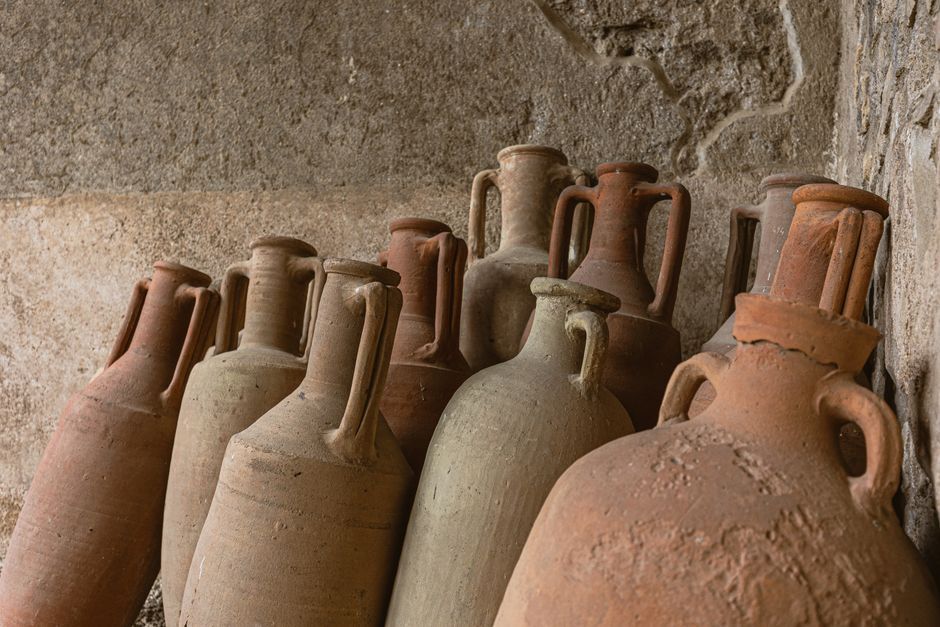
Stock photo for illustration only, not from the actual event
Prof Hakan Öniz from Akdeniz University in Turkey, who led the Mediterranean Archaeology Association expedition, noted that the pottery featured two handles, a central ridge, and a flat base. These design characteristics match pottery unearthly excavated in Egypt and the Middle East dating precisely to the 4,400-4,700 year range.
"The shipwreck is a time capsule at the bottom of the sea."
Prof Hakan Öniz
This extraordinary Bronze Age discovery provides invaluable insight into maritime trade networks of the ancient Mediterranean. Because intact merchant shipwrecks from this millennia are exceptionally rare, analyzing the preserved contents of these amphorae offers historians a direct window into the commercial exchange of goods, commodities, and economic ties between the Levant, Egypt, and early Aegean civilizations nearly five millennia ago.
Divers successfully brought the fragile pots to the surface for careful conservation. Dr Karin Sowada, an archaeologist from Macquarie University in Australia who examined the artifacts, expressed surprise that some jars still contained a glossy, viscous residue inside.
The research team is currently conducting tests to determine the exact contents of the vessels, which could range from olive oil and wine to precious tree resins. Based on maritime routes, archaeologists believe the vessel departed from the eastern Mediterranean coast, carrying cargo destined either for the ancient city of Troy in north-western Turkey or the Minoan civilization on Crete.
Source: BBC Science & Environment
Found something wrong in this article? Report an issue with this article
Comments
Leave a Comment