

Skift Aviation Forum 2026: 5 Counterparties Shape Airline Margins
Examining how jet fuel prices doubled in 2026, and why manufacturers, unions, airports, and banks now control airline profitability.

Stock photo for illustration only, not from the actual event
- Jet fuel prices surged 102% year-over-year by mid-September 2026.
- Airline margins increasingly depend on five external counterparties: manufacturers, unions, premium travelers, airports, and co-brand banks.
- Scarcity in narrowbody delivery slots through 2033 caps carrier growth while supporting airfares.
- The Skift Aviation Forum 2026 takes place November 11-12, 2026, in New York City.
The doubling of jet fuel prices in 2026 has placed intense pressure on the aviation industry, where record revenues failed to fully absorb the surging costs. The fallout has been uneven, with Spirit Airlines shutting down in May following its second bankruptcy in a year, while North American major carriers sustained momentum through tight capacity, loyalty cash, and strong premium demand.
This divergence comes down to leverage. With primary cost lines dictated by external conflicts, airline margins rely heavily on five relationships outside carrier control. The upcoming Skift Aviation Forum in New York—featuring an opening reception on November 11 and the main event on November 12, 2026, at the TWA Hotel at JFK—will bring leaders from across these sectors onto the stage.
On the manufacturing front, meaningful delivery slots for A320neo and 737 Max aircraft remain scarce until roughly 2033, with widebody availability tight well into the mid-2030s. At the Farnborough Airshow in July, lessors secured major orders, absorbing balance-sheet risks that airlines wished to avoid. This shortage caps fleet expansion across the board while maintaining capacity discipline sufficient to support fares amid rising fuel costs.
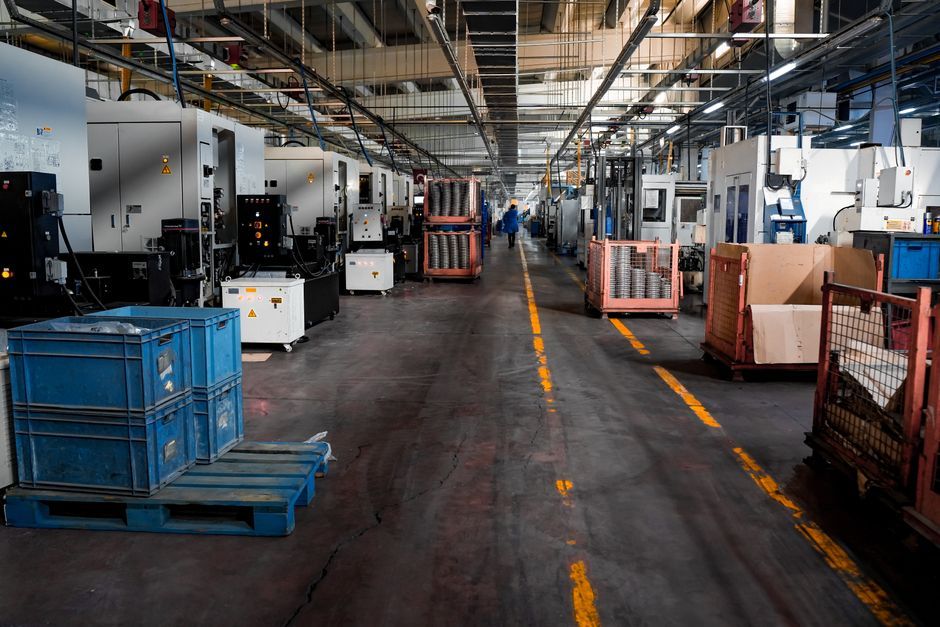
Stock photo for illustration only, not from the actual event
Labor pressures arrived simultaneously. United Airlines became the final major U.S. carrier to settle with its flight attendants in May, agreeing to a five-year contract featuring a 31% pay raise, $741 million in retroactive pay, and boarding pay. European airline groups face similar labor and airport cost squeezes alongside fuel, making labor a fixed baseline that every capacity plan must clear.
The convergence of cost pressures in 2026 highlights a structural shift where traditional airline business models rely more heavily on ecosystem risk-sharing. As airlines lose direct control over volatile fuel and rigid labor expenses, external stakeholders like aircraft lessors and co-brand credit card partners are increasingly dictating industry resilience and financial viability.
Meanwhile, premium cabins generated $188 billion in 2024, accounting for 24% of global passenger revenue, with U.S. premium capacity expanding 33% since 2020. Skift Research warns that oversupply remains a critical risk if carriers scale up premium offerings simultaneously. Airports are also expanding on long-term horizons, such as Dallas Fort Worth targeting 100 million passengers by 2030 with a new Terminal F.
Co-brand credit card partnerships remain exceptionally lucrative. Delta collected $8.2 billion from American Express in 2025, representing about 14% of its adjusted operating revenue, with co-brand margins running between 35% and 50%. However, potential regulatory changes like the Credit Card Competition Act threaten to alter this lucrative revenue stream tied to banking partners.
Source: Skift
Found something wrong in this article? Report an issue with this article
Comments
Leave a Comment