

MP Demands Immediate Halt to Street DNA Collection
A People's Party MP exposes a directive ordering authorities to collect DNA samples from citizens on streets in Pattani, raising rights violation concerns.

Stock photo for illustration only, not from the actual event
- People's Party list MP Romadon Panjor revealed public complaints over authorities collecting DNA from ordinary citizens on streets in Mayo district, Pattani.
- The practice allegedly stems from an upper-level policy setting a quota of collecting DNA samples from five individuals per day without consent.
- Civil society networks reported another incident where officials collected DNA from three people at a tea shop in Khao Tum sub-district, Yarang district, on October 12.
- Advocates urged relevant agencies to clarify their legal basis and immediately halt actions that risk violating individual rights.
Mr. Romadon Panjor, a party-list Member of Parliament from the People's Party, has raised concerns regarding public grievances in Pattani province, revealing that state authorities have been reportedly collecting genetic material or DNA from ordinary citizens along public roads without their consent. The incidents took place in Mayo district, Pattani, sparking widespread alarm over civil liberties and personal freedom since genetic data constitutes highly sensitive personal information.
Under legal frameworks, DNA profiles serve as critical forensic evidence. Section 131/1 of the Criminal Procedure Code explicitly stipulates that collecting genetic samples can only be conducted on suspects, victims, or individuals directly related to a legal case. Consequently, random collection from everyday citizens on the streets lacks any supporting legal provision or justification.
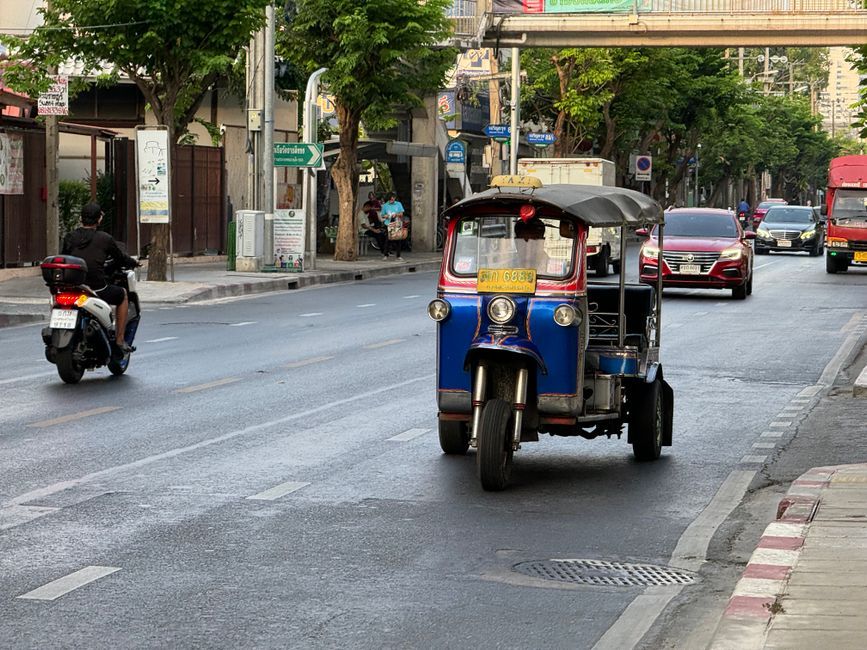
Stock photo for illustration only, not from the actual event
The People's Party MP further disclosed inside information indicating that this operational approach stems from directives issued by superior units, imposing a target quota for officers to gather DNA from five individuals daily. Such output-driven quotas pressure field operatives into taking legally risky actions while superiors seemingly remain indifferent to the hazards placed upon subordinate personnel. He strongly urged authorities to suspend and terminate these operations.
Collecting biological samples like DNA without a court warrant or formal criminal case status directly infringes upon fundamental constitutional rights regarding bodily integrity and privacy. Imposing numerical daily quotas within security-related operations often compels officials to prioritize quantitative metrics over lawful procedures, exacerbating anxiety among residents in Thailand's southern border provinces.
This issue is not isolated to Mayo district. Around the same period, the Network of People Affected by Special Laws, a civil society group operating in the southern border region, exposed a parallel occurrence. They reported that on October 12, state officials approached and collected DNA samples from three citizens inside a local tea shop situated in Khao Tum sub-district, Yarang district, Pattani province, further compounding public anxiety.
Consequently, civil society networks and community representatives have formally urged authorities to refrain from gathering genetic samples unless backed by court orders or explicit legal criteria. They also demanded that responsible state bodies publicly clarify the true objectives and legal authority behind these operations, questioning whether such practices unfairly target specific groups of citizens without proper legal justification.
Source: Khaosod Politics
Found something wrong in this article? Report an issue with this article
Comments
Leave a Comment