

Zextha Workflow: Turning Vague Ideas into System Maps
Explore the workflow behind Zextha, a visual workspace designed to transform early-stage ideas into structured system maps before implementation.

Stock photo for illustration only, not from the actual event
- Zextha is a visual workspace for exploring systems around an idea.
- It structures early thoughts to capture essential project context.
- Features an MCP connection for compatible AI clients to read context.
- Emphasizes human review to make technical discussions more concrete.
Jumping straight into implementation often hides critical unknowns regarding target users, operating environments, and actual utility. To address this, Prem Peswani, founder of Zextha, is building a visual workspace designed to translate vague intentions into structured, visible formats before any code is written.
Instead of relying on a rigid checklist, Zextha gathers project-specific context through targeted questions. For instance, a learning companion application requires analyzing device access and learner context, whereas content creator tools focus heavily on audience demographics and sustainable formats.
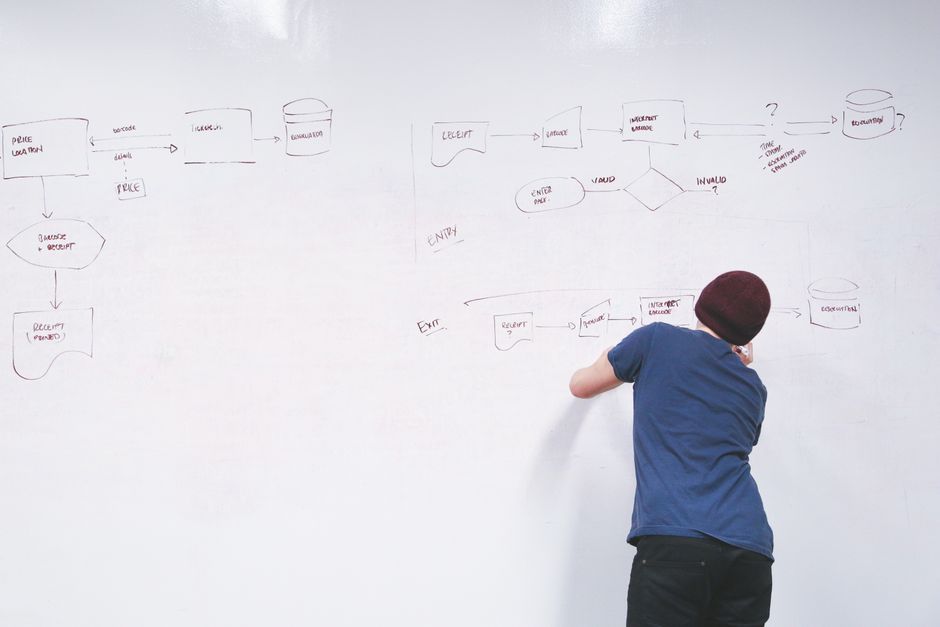
Stock photo for illustration only, not from the actual event
The resulting system map breaks down ideas into actionable nodes representing dependencies, constraints, risks, and next actions. Crucially, it highlights how one decision impacts another—such as choosing an offline-first architecture, which directly influences data storage, synchronization methods, and error handling.
Translating abstract concepts into structured system maps is a proven practice in early-stage software design to mitigate technical debt and misaligned requirements. Visualizing dependencies prevents teams from treating complex architectural choices as simple binary checkboxes, fostering deeper technical discussions before development begins.
Despite its structured output, Zextha relies on human oversight, ensuring that generated maps serve as collaboration prompts rather than exhaustive architecture audits. Additionally, the platform includes a dedicated Notes area for field books and supports Model Context Protocol (MCP) connections, allowing external AI clients to safely request read-only perspectives without taking control of local files.
Source: Dev.to
Found something wrong in this article? Report an issue with this article
Comments
Leave a Comment