

Nepal Urges India and China to Unite on Himalayan Climate
Nepali Prime Minister Balendra Shah proposes a Himalayan climate mechanism at the UN to bridge regional rivals India and China against cross-border threats.

Stock photo for illustration only, not from the actual event
- Nepali Prime Minister proposes Himalayan climate mechanism at UN
- India and China share a disputed 3,500km Himalayan frontier
- Hindu Kush Himalaya glaciers are melting at twice the past rate
- Previous cross-border hydrological data sharing agreements have expired
Addressing the recent United Nations General Assembly, Nepal's Prime Minister Balendra Shah warned of escalating climate-related disasters in the Himalayas, referencing the devastating debris floods that hit his nation in August.
His standout proposal called on regional rivals India and China to join Nepal in tackling these shared environmental threats through the creation of a Himalayan Climate Resilience Mechanism to improve disaster response and scientific data sharing.
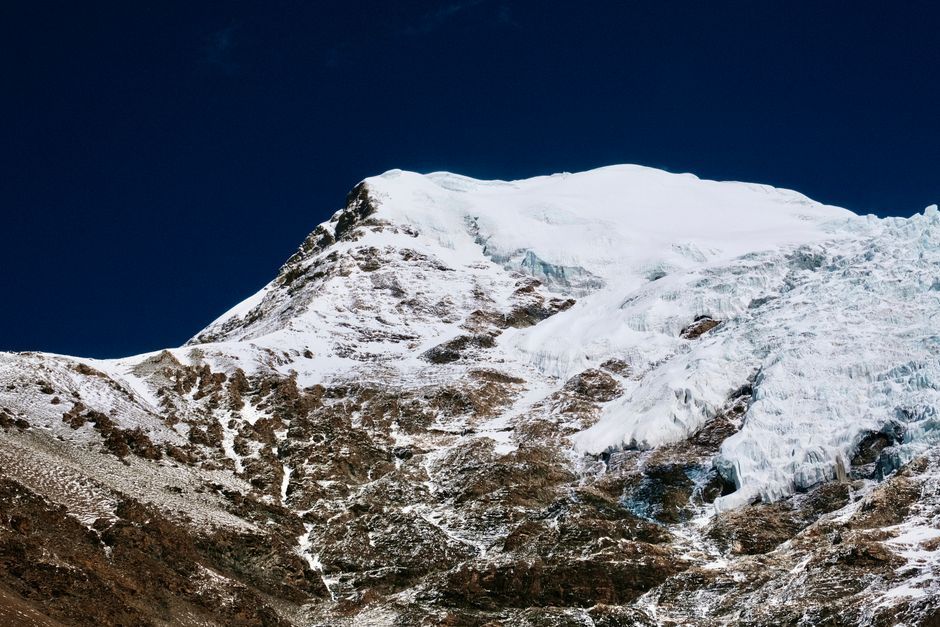
Stock photo for illustration only, not from the actual event
The Himalayan region sits at the intersection of severe ecological vulnerability and high geopolitical sensitivity. Nepal's diplomaticpush to unite India and China highlights how transboundary climate risks necessitate regional cooperation that transcends longstanding political disputes.
India and China share a disputed frontier stretching approximately 3,500 kilometers (2,175 miles) across the Himalayas, which has triggered a war, fatal clashes, and ongoing military stand-offs along the Line of Actual Control. Yet, temperatures in this mountain range are rising faster than the global average, accelerating glacial retreat and elevating risks of landslides and outburst floods.
A report released in March by the International Centre for Integrated Mountain Development found that ice loss rates across the Hindu Kush Himalaya region have doubled since 2000 compared to the 1974-1999 timeframe. Meanwhile, the Tibetan Plateau hosts over 14,000 glacial lakes spanning more than 1,100 square kilometers.
"Let the Himalayas become a laboratory of international co-operation rather than a frontier of fragmented information."
Balendra Shah, Prime Minister of Nepal
Past collaborative efforts have struggled to gain momentum. Although India and China agreed in 2009 to conduct joint research on Himalayan glaciers involving the Wadia Institute of Himalayan Geology and Chinese research institutions, the initiative stalled after a single meeting, according to retired glaciologist Dr. DP Dobhal.
Furthermore, bilateral agreements established in the early 2000s regarding flood-season hydrological data sharing for the Brahmaputra and Sutlej rivers have lapsed. India's junior foreign minister Kirti Vardhan Singh reported to parliament in August 2025 that China halted Brahmaputra data sharing in June 2023, while Sutlej data transmissions ceased in 2022.
Source: BBC Science & Environment
Found something wrong in this article? Report an issue with this article
Comments
Leave a Comment