

Ricursive Intelligence Bets on AI-Designed Chips
Ricursive Intelligence founders Anna Goldie and Azalia Mirhoseini spoke at TechCrunch Disrupt 2026 on Oct. 14, detailing AI-driven chip design to solve compute shortages.

Stock photo for illustration only, not from the actual event
- Ricursive Intelligence is developing AI systems designed to automatically create semiconductor chips to combat computing shortages.
- Founders Anna Goldie and Azalia Mirhoseini took the stage at TechCrunch Disrupt on October 14, 2026.
- AI discovered unconventional layouts like donut-shaped and wave-like designs that outperform traditional architectures.
- Allowing AI to handle chip layouts frees human engineers to focus on application development and new computing possibilities.
Startup Ricursive Intelligence is tackling the mounting global computing crisis through an unconventional approach. Founders Anna Goldie and Azalia Mirhoseini appeared on stage at TechCrunch Disrupt on Wednesday, October 14, 2026, to detail how their startup is building artificial intelligence capable of designing chips, learning from every iteration, and continuously improving subsequent hardware layouts with the ultimate goal of automating the chip engineering workflow.
While the notion of AI designing its own processors might unnerve some industry observers, Goldie argues that delegating layout tasks to machines will actually empower human engineers. By letting algorithms handle the tedious physical designs, developers can concentrate on crafting software applications and exploring novel possibilities that expand what is achievable through modern computing.
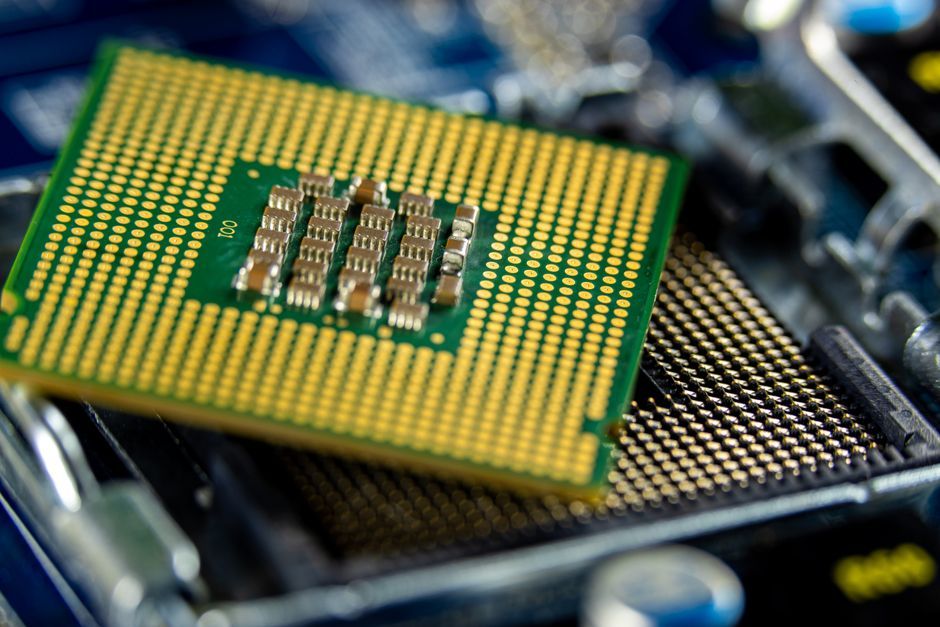
Stock photo for illustration only, not from the actual event
The founders pointed out that machine learning is actively disrupting traditional chip architecture methods by uncovering unorthodox layouts capable of outperforming standard configurations. For instance, AlphaChip, an AI system previously developed by the founders, produced a circular, donut-shaped arrangement of chip components that initially stunned veteran engineers before ultimately proving highly successful in practice.
The compute crisis referenced in the startup's mission stems from soaring global demand for artificial intelligence workloads that vastly outpace traditional semiconductor manufacturing cycles. Leveraging machine learning to automate physical layouts represents a critical push by the industry to shrink development timelines from years down to days.
Rather than adhering to legacy partitioning strategies that slice silicon into dozens of tiny blocks, the duo optimizes entire chips simultaneously. This holistic methodology enables AI to craft intricate patterns, including fluid wave-like geometries, which the founders intend to showcase further in upcoming updates.
"Allowing AI to handle chip design will allow humans can focus on developing applications and exploring new possibilities that can expand what they can accomplish with computing."
Anna Goldie
Furthermore, the founders emphasized that artificial intelligence-driven design will unlock the fabrication of entirely new classes of microchips that were previously deemed impossible to manufacture using conventional human-led design pipelines.
Source: TechCrunch
Found something wrong in this article? Report an issue with this article
Comments
Leave a Comment