

The F1 pit stop that helped save lives
Discover how Formula 1 pit stop precision and teamwork inspired medical professionals to improve patient care and save lives.

Stock photo for illustration only, not from the actual event
- McLaren's 2001 pit stop inspired doctors at Great Ormond Street Hospital
- Structured roles and communication reduced medical handover errors
- Williams and the University Hospital of Wales improved neonatal resuscitation
- Collaboration with Air Ambulance Cornwall reduced helicopter takeoff times
When the McLaren pit crew refuelled a car, changed its tyres and relayed information to their driver in less than seven seconds at the Spanish Grand Prix in 2001, they were simply doing their jobs. However, 700 miles away in the break room at Great Ormond Street Hospital (GOSH), Dr Martin Elliott and his colleagues were watching after completing a life-saving operation on a young child.
That brief glimpse would fundamentally change how doctors approached patient care, impacting areas ranging from surgery-to-ICU handovers and neonatal care to air-ambulance response times, proving that Formula 1 innovations extend far beyond the racetrack.
At Ferrari's factory in Maranello, the GOSH medical team studied how pit crews organised roles, communication, and handovers. Doctors and nurses began each procedure with a checklist setting out specific roles and tasks, which reduced human error and ensured key tasks were completed, alongside sharing all patient data from the operating theatre to the care unit.
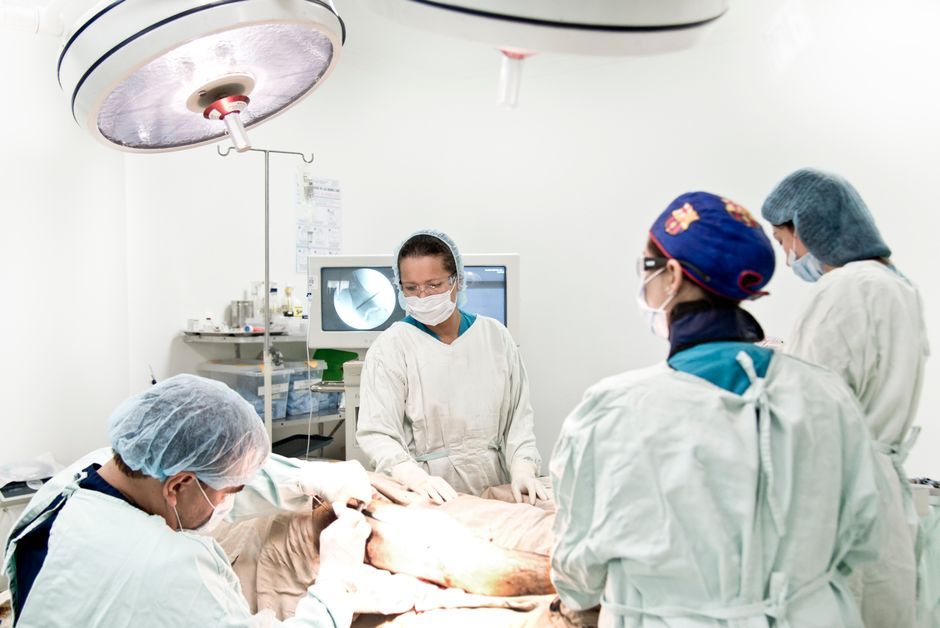
Stock photo for illustration only, not from the actual event
Performance gaps were identified and addressed, and repeated rehearsals helped refine the process. Consequently, the transition from surgery to intensive care became much more organised, with a 2007 study by researchers at GOSH and the University of Oxford finding that the F1-inspired handover process reduced technical errors, information omissions, and handover time.
"The environment we were working in then and in many ways still do is fundamentally potentially dangerous at every step."
Dr Martin Elliott
Applying high-speed motorsport management and time-efficiency frameworks to healthcare serves as a powerful example of cross-industry innovation. F1 forces teams to eliminate wasted seconds through rigorous rehearsal and precise equipment placement. Translating this precision into emergency rooms and operating theatres where every second counts provides tangible life-saving benefits without necessarily requiring expensive new technology.
The model was subsequently adopted by other healthcare teams. Fifteen years ago, Williams worked with the University Hospital of Wales to improve neonatal resuscitation. Former Williams human performance specialist Gemma Fisher recognised that organising pit-crew equipment to prevent delays could be applied in a hospital setting, while video analysis uncovered the chaotic reality of medical emergencies involving overlapping voices and misplaced equipment.
Standardising roles—deciding who stood where, who needed to be heard at what moment, and where equipment was stationed—allowed for a faster and more efficient response. Debriefings enabled medical staff to review what happened and identify improvements for future emergencies, while also encouraging junior doctors to raise concerns without fear of blame.
The collaboration extended beyond working practices into engineering, resulting in Advanced Healthcare Technology and Williams developing the Babypod: a carbon fibre carrier designed to withstand a 20G crash and prevent injury when transporting babies from ambulance to hospital. At this year's race at Silverstone, a collaboration with Air Ambulance Cornwall further demonstrated how response times could be improved, cutting takeoff times from five minutes to three and a half.
Source: BBC Sport
Found something wrong in this article? Report an issue with this article
Comments
Leave a Comment