

Marriott Details Strategy to Attract Indian Travelers to Maldives
Marriott reports Maldives tourism recovery following Middle East disruptions, driven by surging family travel and direct flights from India.

Stock photo for illustration only, not from the actual event
- Marriott says Maldives arrivals nearly recovered following the March Middle East crisis drop.
- Indian travelers are stepping in to bridge the gap left by Western markets.
- Visitor profiles shifted from honeymooners to families celebrating birthdays and Diwali.
- Booking windows collapsed to next-day requests while direct flight capacity expands.
The Maldives has consistently been an easy sell for Indian honeymooners seeking tropical getaways. Hospitality brands are now aggressively targeting these visitors to return for short family breaks, milestone birthdays, and long weekends.
Following the outbreak of the Middle East crisis in March, the destination experienced a drop in arrivals as European and American travelers transiting through Gulf hubs stayed home. However, Marriott International notes that overall arrival numbers have nearly rebounded, supported by a shifting mix of source markets with India leading the surge.
Silvio Rosenberger, Marriott International's market vice president for the Maldives and vice president of operations for Asia Pacific excluding China, told Skift that arrivals experienced an immediate dip but are now almost back to normal levels despite coming from different regions.
Rosenberger noted that India remains firmly positioned in the destination's top 10 source markets and continues to climb. Indian arrivals ranked sixth with 112,229 visitors in 2025 and already reached 76,000 through August of this year, alongside upcoming property expansions like the Bulgari Resort next year.
Marriott's pivot toward the Indian outbound market highlights a broader strategy in luxury hospitality to diversify source regions and hedge against geopolitical disruptions in the Middle East. Catering to multigenerational families requires substantial operational shifts, from room configurations to dietary requirements, showcasing how hotel operators must adapt their physical and culinary assets rapidly.
The profile of the Indian guest has evolved significantly from honeymooners to families and multigenerational groups traveling for birthdays, reunions, and Diwali. In response, Marriott has added two- and three-bedroom villas, refurbished existing properties, and trained island kitchen staff to prepare authentic Jain cuisine.
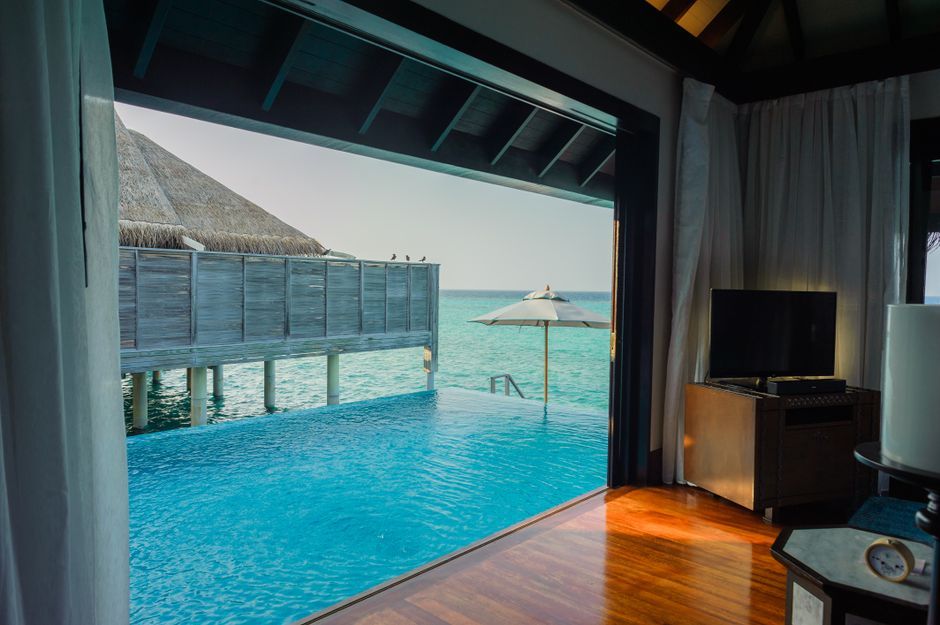
Stock photo for illustration only, not from the actual event
Meanwhile, booking windows have collapsed drastically from roughly six months down to next-day requests. Stays remain relatively concise, averaging two nights for couples and an extra day or two for family groups.
Rosenberger placed direct service between India and the Maldives at around 50 flights a week, emphasizing that air capacity and visa access are the primary determinants for Indian travel patterns. Marriott appointed a dedicated India destination sales role last year, dispatched its Maldives resort teams to India this month to meet travel agents, and prepares to launch the Bulgari Resort next year.
Source: Skift
Found something wrong in this article? Report an issue with this article
Comments
Leave a Comment