

Leda Papaconstantinou turned Greece’s Spetses into a stage
Exploring the experimental Spetses Players performance group on the Greek island in the 1970s led by Leda Papaconstantinou.

Stock photo for illustration only, not from the actual event
- The Spetses Players formed around 1972 on Spetses island, Greece.
- Led by Greek avant-garde performance artist Leda Papaconstantinou.
- Performances addressed local issues like tourism, housing, and water.
- Organized the international Spetses Festival in 1977.
In the early 1970s, Leda Papaconstantinou returned to Greece during the military junta following her studies and art work in England. She settled on the Greek island of Spetses alongside her then-husband, British artist and teacher David Hughes, aiming to continue her performance art practice. Her initial step involved gathering individuals interested in collaborative and experimental work.
The Spetses Players group began taking shape around 1972, bringing together artists, school teachers, university professors, students, musicians, and figures linked to literature and philosophy. Many participants arrived from outside Greece, hailing from the United States, United Kingdom, Germany, France, Sweden, Italy, Denmark, and other regions, often staying for extended periods rather than taking brief modern vacations.
"It wasn’t theatre, because there was no fixed written story that was performed repeatedly. Instead, the collaborators had to decide together what they wanted to talk about and how to turn it into a performance."
Leda Papaconstantinou
The collective's creative process drew comparisons to Italian playwright Dario Fo and Karagiozis, the traditional Greek shadow-theatre figure, by picking community issues from local newspapers to build performances. Papaconstantinou acted as the sole Greek speaker within the group, while international members contributed diverse backgrounds, languages, and artistic disciplines.
Staging avant-garde performances during Greece's military junta era provided a vital cultural outlet for addressing social realities and community challenges, showcasing how international artists and local residents collaborated outside mainstream artistic boundaries.
A recurring fictional character named Bouboulitsa—inspired by island heroine Laskarina Bouboulina—was born behind a shadow theatre screen, interacting with marine life and angel-mermaid performers. The troupe addressed pressing local problems, including rising tourism, property sales to wealthy foreign buyers, water scarcity, waste management, and healthcare limitations.
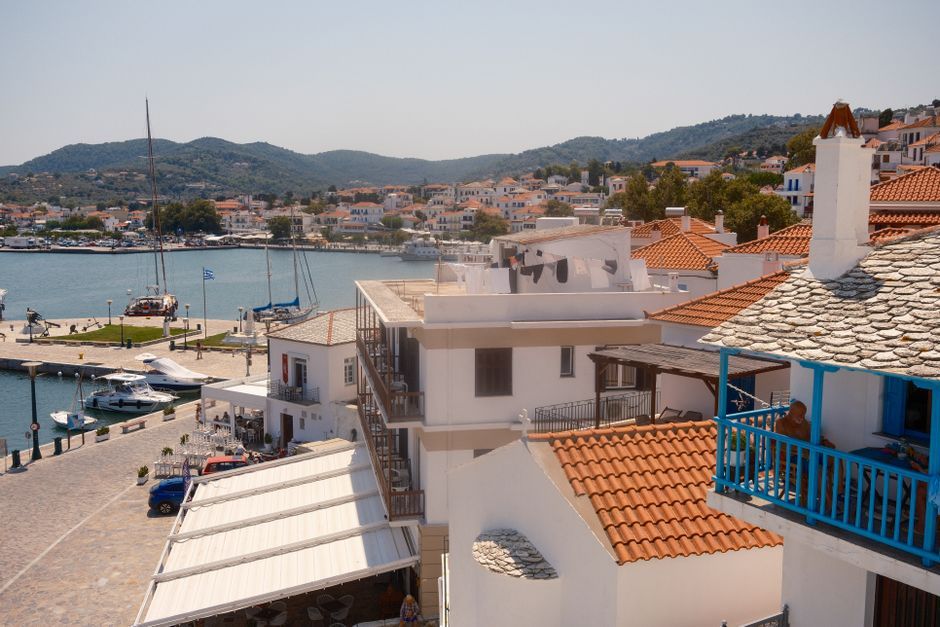
Stock photo for illustration only, not from the actual event
Engaging the permanent island community remained central to the group's mission, prioritizing local residents over seasonal summer visitors. This deep community connection later facilitated Papaconstantinou's documentary work with filmmaker Carole Roussopoulos, as local women readily opened their homes and shared stories due to their familiarity with the Bouboulitsa performances.
In 1977, the collective hosted the sole international Spetses Festival across historic island locations like the old harbor, the Figaro discotheque chambers, and a residence designed by architect Aris Konstantinidis. The performances concluded with Bouboulitsa’s Dream in 1979, with every show ending in a shared song inviting audiences to care for Spetses.
Source: designboom
Found something wrong in this article? Report an issue with this article
Comments
Leave a Comment