

Rivian is building in-house AI agents for its vehicles
Rivian develops an in-house AI agent framework to manage vehicle functions via voice commands, with plans to integrate frontier AI technologies.

Stock photo for illustration only, not from the actual event
- Rivian created an in-house agentic framework to process voice commands in vehicles
- System handles routine tasks like adjusting climate control and seat warmers
- Integration with external apps like Google Calendar began in May
- Future plans include incorporating products from frontier AI companies
Rivian has developed its own in-house agentic framework designed to understand user intentions when speaking to the vehicle and route those actions to the appropriate software components inside the car.
Most of these initial interactions involve expected vehicle controls, such as asking the car to lower the cabin temperature, activate the seat warmers, or provide summaries of the latest news.
Building proprietary agentic frameworks allows automakers to retain control over the in-car user experience and data privacy. While connecting vehicles to frontier AI models unlocks advanced contextual awareness, automakers face significant hurdles in ensuring low latency and absolute safety while operating heavy machinery on public roads.
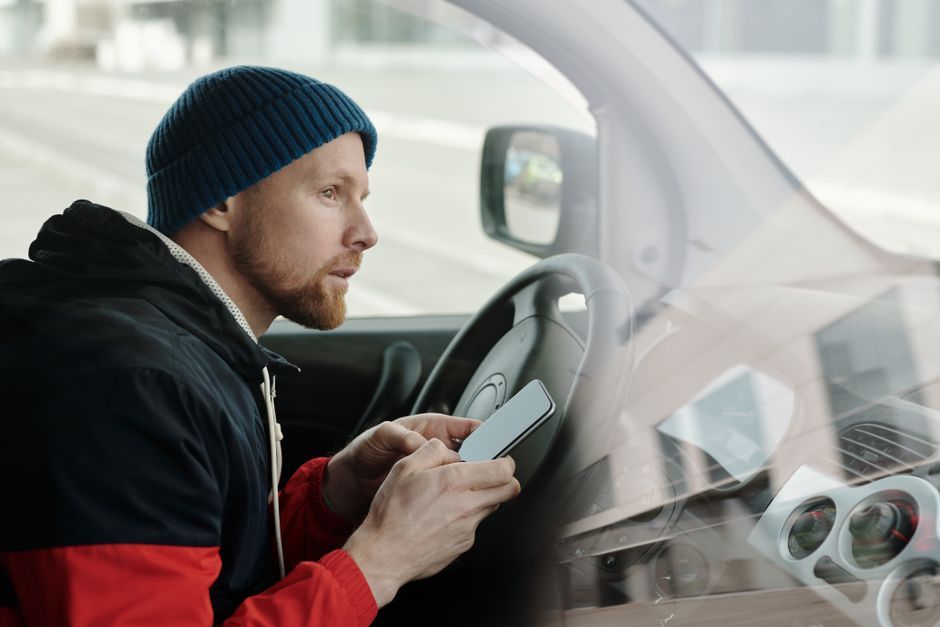
Stock photo for illustration only, not from the actual event
As of May of this year, the agent gained the capability to access external applications such as Google Calendar, bridging the gap between personal scheduling and vehicle utility.
During the Disrupt event, RJ Scaringe indicated that the next logical step involves integrating products from frontier AI companies, though he acknowledged that deploying these advanced systems inside a vehicle environment presents unique engineering challenges.
Stock photo for illustration only, not from the actual event
Instead of a complete overhaul, Scaringe envisions the implementation acting as an extension of how people currently interact with agentic applications. This requires Rivian to figure out how to connect the vehicle with the contextual data that apps like Muse collect from their users.
Source: TechCrunch
Found something wrong in this article? Report an issue with this article
Comments
Leave a Comment