

Should a 12-year-old take protein powder? Experts warn
Health experts share safety warnings as pre-teens and teenagers increasingly turn to protein supplements found on social media.

Stock photo for illustration only, not from the actual event
- Twelve-year-old Ben is eager to try protein powder inspired by online trends.
- Experts state that teenagers can easily get all necessary protein from whole foods.
- Excessive protein intake can dangerously overload the kidneys and liver.
- Parents should always consult registered dietitians before letting youths use supplements.
Social media feeds are increasingly filled with advertisements for dietary supplements, sparking curiosity among young teenagers. Twelve-year-old Ben is eager to try protein powder, but his mother, a health journalist, remains skeptical about whether pre-teens actually need such products when they already maintain a balanced diet.
While Ben's 12-year-old friend Louis has been consuming protein powder once or twice a week with parental awareness, their peer Otis feels that youngsters face undue pressure to adopt these habits without considering potential health consequences. Proteins break down into essential amino acids necessary for growth, with the NHS recommending 0.75 grams of protein per kilogram of body weight for healthy adults.
During puberty and rapid growth spurts, children naturally require more protein to build muscle and bone mass. However, registered dietitian Nichola Ludlam-Raine emphasizes that teenagers can obtain all required protein strictly from food, warning that protein powders are not as strictly regulated as medications and often contain hidden sugars or artificial ingredients.
Dr. Ramnik Mathur, a consultant paediatrician from the Chelsea and Westminster NHS Trust, cautions that replacing whole meals with protein shakes deprives growing bodies of vital micronutrients like calcium, zinc, and magnesium found in natural foods.
"We had a child here at the hospital where I work - he was taking so much protein that his kidneys just stopped working and he actually passed away."
Dr. Ramnik Mathur, Consultant Paediatrician
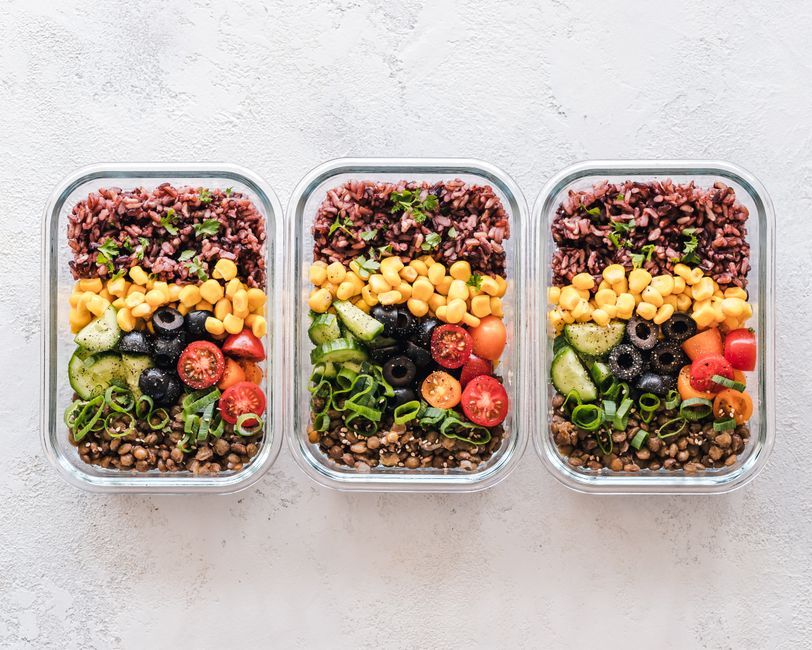
Stock photo for illustration only, not from the actual event
Medical professionals highlight that an excessive protein intake forces the liver and kidneys to process waste products beyond safe limits, posing severe health risks. Ensuring dietary improvements through whole foods should always precede any consideration of commercial supplements.
Ultimately, experts advise improving standard dietary habits first and consulting a qualified nutritionist before introducing any regular supplement routines to adolescents.
Source: BBC Health
Found something wrong in this article? Report an issue with this article
Comments
Leave a Comment