

Primark to Finally Launch Home Delivery Amid E-commerce Pressure
Primark prepares UK home delivery from a Sheffield warehouse as shoppers abandon high street stores over sizing issues and online retail surges to 27.3%.

Stock photo for illustration only, not from the actual event
- Jess Bacon and other consumers shop online to avoid poor sizing options in physical stores.
- Primark plans its first UK home delivery service after acquiring a Sheffield warehouse.
- UK retail statistics show online sales accounted for 27.3% of total sales in August.
- Retail analysts highlight that efficient returns are crucial to retaining digital shoppers.
As digital platforms reshape consumer habits, traditional high street shopping is losing its appeal for many shoppers. Jess Bacon, a plus-size culture journalist and author, does all her clothes shopping online because she finds physical retail environments unreliable and frustrating. According to her, store sizing is notoriously bad and demoralising when shopping in person.
Beyond sizing issues, Jess notes that online shopping saves considerable time compared to driving to stores, paying for parking, and trying on items. While Primark remains one of the few high street retailers offering sizes up to UK size 22 for plus-size shoppers, the brand is now preparing a major shift by planning its first-ever home delivery service in Britain after years of holding out, even refusing online sales during pandemic store closures.
Although Primark launched a click-and-collect service in 2022, customers still had to travel to collect their purchases. Now, the retailer has purchased a warehouse in Sheffield to facilitate direct home deliveries. Retail analysts point out that this strategic move comes as Primark faces intense pressure and competition from ultra-fast-fashion competitors such as Shein.
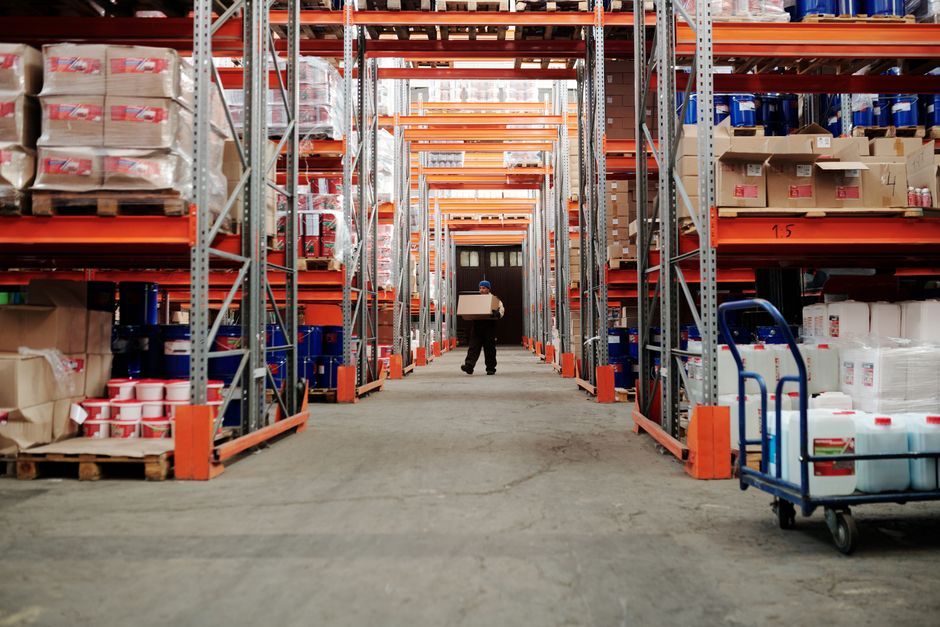
Stock photo for illustration only, not from the actual event
Data from the Office for National Statistics indicates that online shopping accounted for 27.3% of total retail sales this August, a significant rise from 18.1% in August 2019. This ongoing shift reflects a broader consumer preference for digital convenience that began well before pandemic restrictions accelerated online retail adoption across the United Kingdom.
Primark's pivot toward home delivery highlights a crucial turning point for traditional high-street giants facing digital-native competitors. Physical footprints alone are no longer enough to secure customer loyalty, forcing legacy brands to adapt their logistics and supply chains to meet modern convenience expectations.
Similarly, Julia Mitchell, a content creator living near Chichester, dislikes in-person clothes shopping due to sensory overstimulation and prefers online platforms for better bargains. She primarily buys second-hand clothing sustainably through Vinted. However, books remain her sole exception, as she views physical bookstores as vital cultural and community spaces.
"Shoppers want them to be free, simple and quick. That means a generous window, lots of drop-off options and refunds that land within days, not weeks."
Julie Palmer
On the other hand, Sandra Davies, a 61-year-old resident of Sheffield who has suffered three strokes, relies entirely on online shopping because walking to and around physical stores is physically exhausting. However, she notes that waiting for deliveries also brings anxiety regarding missed post packages.
Retail analyst Julie Palmer expresses no surprise at Primark's expansion into home delivery, noting the clear realization that online sales generate necessary business scale. She cautions that customer expectations around returns are exceptionally high, requiring straightforward, fast processes to prevent consumers from taking their business to competitors.
Source: BBC Business
Found something wrong in this article? Report an issue with this article
Comments
Leave a Comment