

GOSH Same-Day Test Detects Hidden Infections in Kids
London's Great Ormond Street Hospital uses metagenomic testing to identify hidden and drug-resistant infections in critically ill children within a day.

Stock photo for illustration only, not from the actual event
- Great Ormond Street Hospital (GOSH) in London uses same-day metagenomic testing
- Analyzes all genetic material to identify bacteria, viruses, and fungi from one sample
- Helped 122 critically ill ICU children by catching hidden and drug-resistant bugs
- Published in The Lancet Microbe, with plans to expand to 30 UK intensive care units
A pioneering diagnostic approach has been implemented at Great Ormond Street Hospital (GOSH) in London, utilizing rapid genetic testing to uncover hidden and drug-resistant infections among critically ill children in intensive care within a single day.
Respiratory samples collected from 122 young patients in the paediatric intensive care unit (ICU) during a 2024-2025 study underwent metagenomic sequencing. Unlike conventional petri-dish culturing methods dating back to Victorian times, or PCR tests requiring clinicians to guess what pathogen to look for, metagenomics sequences all genetic material present in a sample simultaneously.
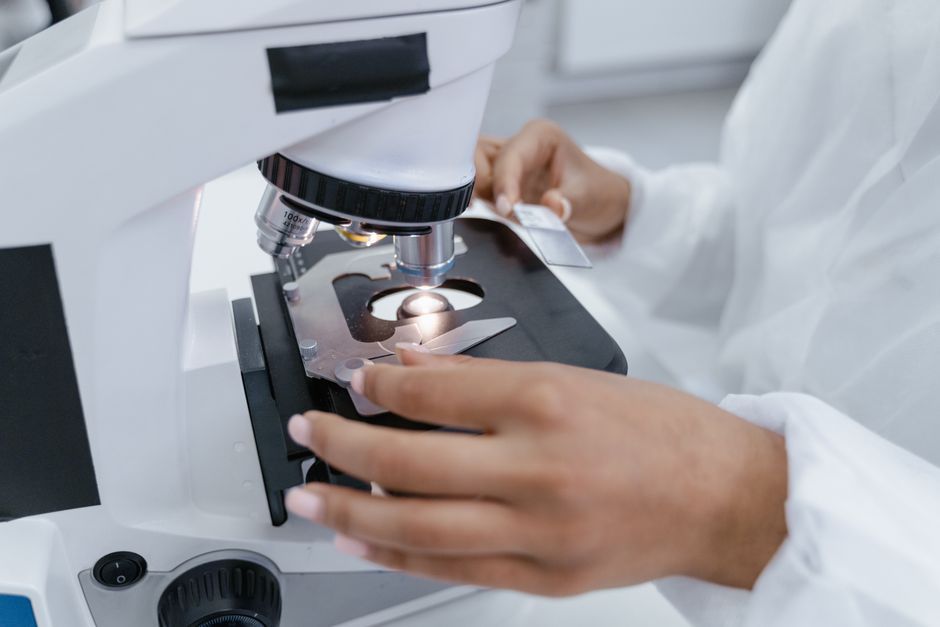
Stock photo for illustration only, not from the actual event
The findings, published in the journal The Lancet Microbe, showed that the GOSH metagenomic testing successfully identified roughly nine in 10 bacteria and viruses, along with all fungi in the samples. In 25 percent of the cases, the results directly influenced prescribing choices regarding starting, stopping, or altering antibiotic treatments.
Among those who benefited was 10-year-old Willow Crowther from Kent, who fell dangerously ill with pneumonia in March, triggering seizures and multiple cardiac arrests. Admitted to the GOSH ICU, her mother Stacey Moore was told her daughter had a 50 percent chance of survival and advised to bring family members to say goodbye.
"The fact that they had a test there available to her was paramount. It saved her life."
Stacey Moore (Willow's mother)
Using metagenomics, the medical team discovered Willow was suffering from a drug-resistant bacterial infection requiring a different antibiotic than the one initially prescribed. With the correct medication, she eventually recovered after spending several months in the hospital.
Metagenomic testing fundamentally differs from standard diagnostics by sequencing every piece of genetic material in a clinical sample rather than hunting for specific targeted pathogens. This broad-spectrum detection capability allows clinicians to spot unexpected co-infections, rare pathogens, or antimicrobial resistance markers that routine panels miss, supporting more precise treatment and curbing unnecessary antibiotic usage.
Dr. Sam Ray, a consultant in paediatric intensive care medicine at GOSH and co-author of the study, noted that the research helped pinpoint infections that would have otherwise gone unnoticed, ensuring children received correct treatments while halting ineffective antibiotics.
Dr. Julianne Brown, head of the GOSH Metagenomics Service and co-senior author, added that the technology is currently being rolled out across roughly 30 intensive care units in the UK for both adults and children, noting its potential as a powerful early warning tool against future pandemic threats.
Source: BBC Health
Found something wrong in this article? Report an issue with this article
Comments
Leave a Comment