

ADHD ONE: 3D-printed 1980s brick phone connects via bluetooth
Cologne-based designer Kevin Noki has created ADHD ONE, a 3D-printed 1980s-style handset that connects to iPhones via Bluetooth to curb smartphone addiction.

Stock photo for illustration only, not from the actual event
- Cologne designer Kevin Noki unveiled ADHD ONE, a retro 1980s brick phone handset
- The device links to an iPhone via Bluetooth allowing users to take calls out of sight
- Powered by a Raspberry Pi Pico board, Qualcomm chip, and an OLED display
- Digital construction files are available online for users to 3D print and assemble
As smartphones become increasingly difficult to put down, Cologne-based designer and maker Kevin Noki has adopted a distinctive approach to digital detox by recreating a handset straight out of the 1980s. Named ADHD ONE, short for Anti Distraction Handset Device, the project revives oversized brick phones complete with a physical keypad, a compact display, and a chunky silhouette. Rather than packing in more digital features, its explicit purpose is to offer fewer distractions.
The concept relies on a straightforward tethering mechanism. Instead of replacing a smartphone entirely, ADHD ONE connects to an iPhone via Bluetooth, letting users receive and answer calls while keeping the primary device tucked away. By configuring the iPhone's Do Not Disturb settings to allow calls only from selected contacts, users can curate a controlled communication loop. The handset lacks any independent cellular connection, meaning it must rely entirely on the paired smartphone to function and effectively prevents endless social media scrolling.
Despite its deliberately dated aesthetic, ADHD ONE relies entirely on contemporary electronics. At its core sits an FSC-BT1026C Bluetooth module powered by Qualcomm's QCC3024 chip, which utilizes the Hands-Free Profile to route call audio between the handset and the connected iPhone. A Raspberry Pi Pico board manages device functions alongside an OLED display, microphone, speaker, rechargeable lithium battery, and a custom printed circuit board housed inside the compact enclosure.
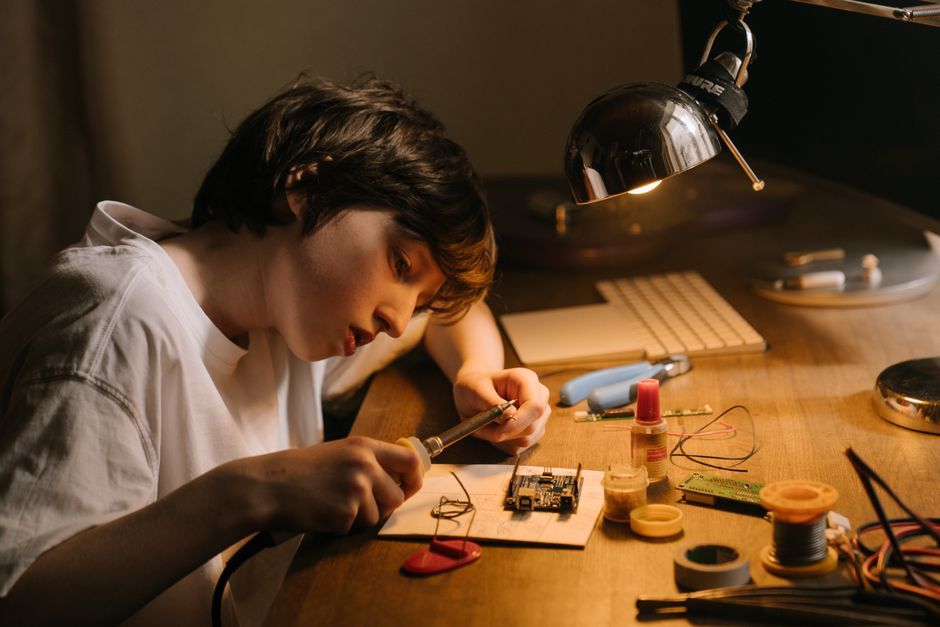
Stock photo for illustration only, not from the actual event
Kevin Noki designed the outer shell using Autodesk Fusion before fabricating components via 3D printing. The housing draws inspiration from early mobile communication aesthetics, featuring substantial proportions, a prominent antenna, and tactile buttons instead of smooth touchscreen surfaces. The design includes a 19-key keypad and offers customization options such as three speaker grille styles (Classic, Holes, and Stripes) and three antenna configurations (Retro, Slim, and Screw), with an optional housing that omits the antenna entirely.
"There is a certain irony in designing, printing, and assembling an entirely new electronic device just to avoid using another one."
Kevin Noki
The ADHD ONE project highlights an evolving trend within digital wellness where creators build physical hardware alternatives to combat compulsive smartphone use. By releasing the 3D-printable files and firmware online, the project taps into the maker community, empowering individuals to take physical control over their communication habits and design a more intentional relationship with technology.
For makers interested in building their own unit, Noki has made digital files accessible through his website. The downloadable bundle includes STL files for the housing, back panels, mounting frame, and keypad, alongside UF2 firmware and Gerber files for ordering custom circuit boards. The files are licensed strictly for personal use, and while a physical DIY kit is mentioned on the site, it is not yet available for purchase.
Source: designboom
Found something wrong in this article? Report an issue with this article
Comments
Leave a Comment