

Nightswimming: Giovanna Silva on Club Architecture and Light
Italian photographer Giovanna Silva explores the changing architecture of nightlife, from 1960s discotheques to contemporary improvised dance floors.

Stock photo for illustration only, not from the actual event
- Giovanna Silva began photographing club architecture for the 2014 Venice Architecture Biennale.
- The research expanded from Italy to four major European hubs: Berlin, London, Paris, and Barcelona.
- Light and scent serve as primary elements defining the nocturnal spatial experience.
The world of nightlife spaces goes far beyond mere entertainment venues, evolving into a living architectural study that mirrors cultural shifts. Italian photographer Giovanna Silva has documented this transformation in her publication, capturing the essence of spaces ranging from classic Italian discotheques to modern improvised dance floors.
Her journey into club culture started when Monditalia commissioned her to record the architecture of Italian nightlife for the 2014 Venice Architecture Biennale. Although the subject was entirely unfamiliar to her at first, this detachment allowed her to approach the project with an unconventional and unjaded perspective.
Examining nightlife architecture highlights how clubs function as dynamic spaces that constantly adapt to social trends. From purposefully designed venues to spaces repurposed for impromptu parties, architecture here is defined by human interaction rather than permanent physical structures alone.
Following her initial research in Italy, the team broadened their scope to analyze the state of nightlife architecture across four major European cities: Berlin, London, Paris, and Barcelona, selecting venues significant to music, society, and design.
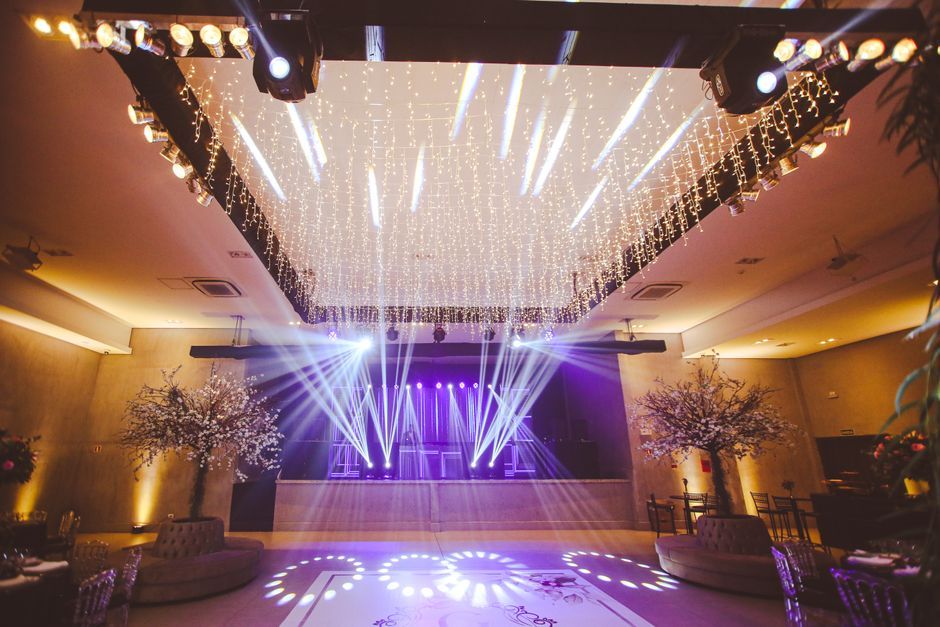
Stock photo for illustration only, not from the actual event
Visiting these locations mostly during daytime hours, Silva noted two striking constants. The first was the lingering scent—a distinct mixture of cleaning products, smoke, and human presence. The second was the profound impact of lighting, which she considers the ultimate tool for transforming a room.
"We have been told discotheques are like old ladies: they shouldn’t be seen without their make-up. And I completely agree with this, light does an important part of the trick here."
Giovanna Silva
The resulting photographs capture these venues in both empty and crowded states, demonstrating how crowds can completely dissolve the traditional perception of space. Increasingly, spaces originally built for other purposes are occupied and transformed into party locations, echoing the evolution of 1990s rave culture into accepted mainstream nightlife.
Source: designboom
Found something wrong in this article? Report an issue with this article
Comments
Leave a Comment