

Poor People's Forum Submits 6 Demands to IMF and World Bank
Mr. Paitoon leads the Poor People's Forum in presenting 6 demands to the IMF and World Bank, urging debt cancellation for farmers and people-centric economic policies.

Stock photo for illustration only, not from the actual event
- The Poor People's Forum submitted 6 key demands to the IMF and World Bank regarding farmer debt.
- Urged the government to ensure transparent borrowing and halt subsidies for giant agri-businesses.
- Demanded that people and the environment be put at the heart of the economy instead of GDP alone.
- Highlighted impacts from welfare cuts, the Pak Mun Dam, and monoculture pressures on Thai farmers.
The Poor People's Forum has launched a major protest by submitting six formal demands to the International Monetary Fund (IMF) and the World Bank. The move aims to address the severe hardships faced by Thai farmers, highlighting that virtually no one in the agricultural sector is free from debt, which serves as a major barrier to self-reliance and food sovereignty.
The six demands presented by the forum include:
- The cancellation of farmers' debts to achieve true self-reliance.
- Transparent government borrowing that allows public participation and accountability.
- Ending subsidies for large agricultural corporations and redirecting budgets to ecological farming.
- Taxing corporations that benefit from state loans to support sustainable food production.
- Centering the economy on people and the environment rather than focusing solely on GDP growth.
- Reviewing economic and development policies that neglect social security and community rights.
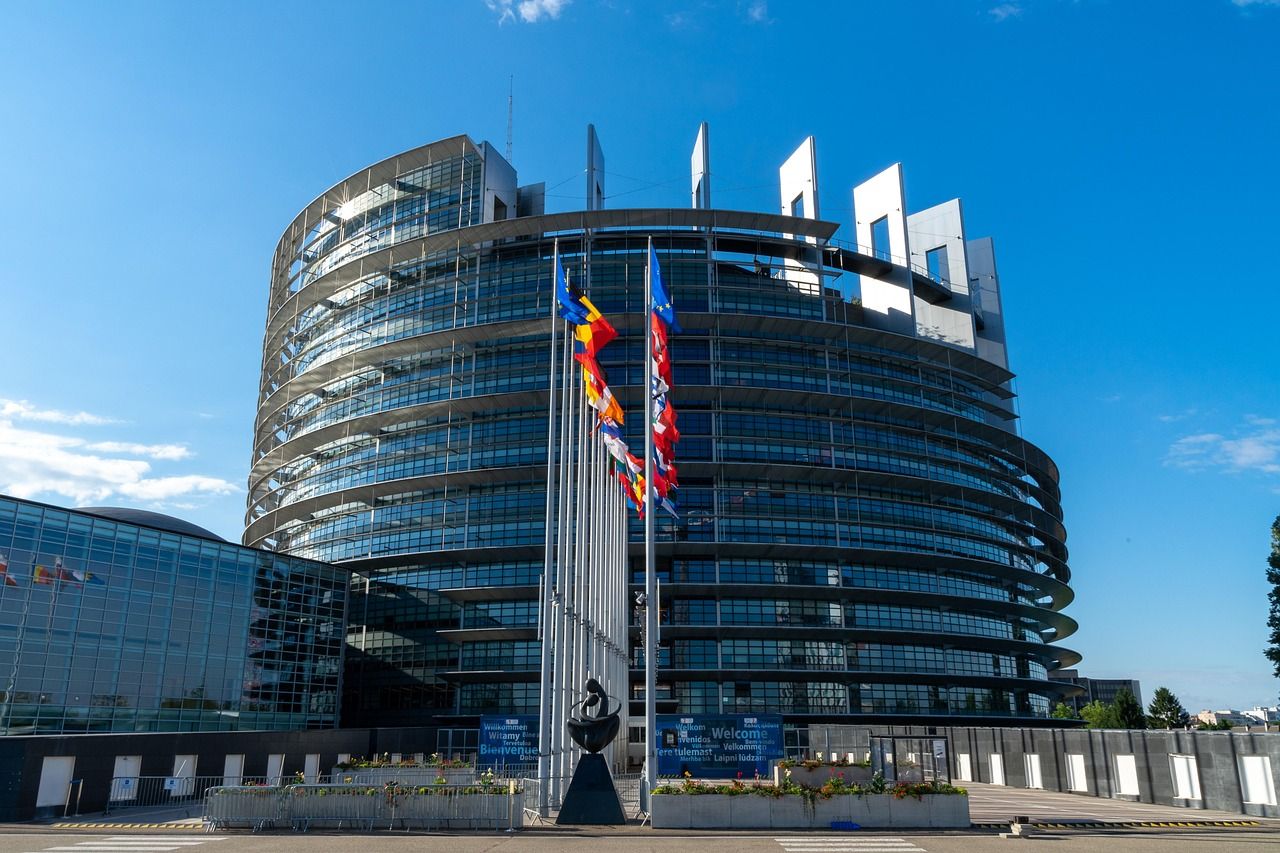
Stock photo for illustration only, not from the actual event
Mr. Paitoon, a representative of the forum, detailed the concrete impacts experienced by low-income citizens and farmers, noting instances where vulnerable individuals lost their state welfare card benefits alongside concerns over proposed co-payment schemes in the universal healthcare system. He emphasized that cutting welfare spending to pay off national debts is a policy that urgently needs reconsideration. Furthermore, the unresolved issues surrounding the Pak Mun Dam continue to symbolize long-standing environmental and ecological damage in the Mekong River basin.
This mobilization by the Poor People's Forum reflects a structural friction between macroeconomic stabilization policies promoted by international financial institutions—such as fiscal austerity and debt servicing—and the socio-economic realities of smallholder farmers in Thailand. Heavy reliance on monoculture and trade liberalization often exposes local farmers to unfair pricing and severe market pressures, highlighting the ongoing challenge for governments in balancing fiscal discipline with equitable social welfare.
Addressing the agricultural sector, Mr. Paitoon pointed out that government promotion of monoculture has forced many farmers into massive debt due to unfair pricing structures and intense pressure from imported agricultural goods, linked closely to economic guidelines from the World Bank and the IMF.
"We believe they might not listen, but we believe they will hear the voice of the farmers."
Mr. Paitoon
Mr. Paitoon reaffirmed that the Poor People's Forum will continue their advocacy to protect the rights, livelihoods, and future generations of farmers, ensuring they can live with dignity and fairness.
Source: Matichon Politics
Found something wrong in this article? Report an issue with this article
Comments
Leave a Comment