

Choosing Suunto Smartwatches: Run vs Race vs Vertical Series
Explore the differences between Suunto's Run, Race, and Vertical watch families, including the newly launched Race 3S priced at $599.

Stock photo for illustration only, not from the actual event
- Suunto organizes its sports watches into three main families: Run, Race, and Vertical.
- The newly launched Race 3S arrives at $599 with a silicon-carbon battery.
- The Run series is tailored for road runners and beginners.
- The Vertical series targets explorers requiring maximum battery life and ruggedness.
When shopping for a fitness watch, staring at a product page filled with multiple generations and overlapping specifications can easily cause decision fatigue. Suunto, a fitness watch brand long regarded by hikers and outdoor enthusiasts, categorizes its sports watches into three distinct families: Run, Race, and Vertical, each built for specific training styles and adventures.
The Run series is best suited for road runners, 5K-to-marathon trainers, and anyone seeking a lightweight watch that can be worn comfortably overnight. It provides a straightforward entry point into the ecosystem without sacrificing core tracking reliability.
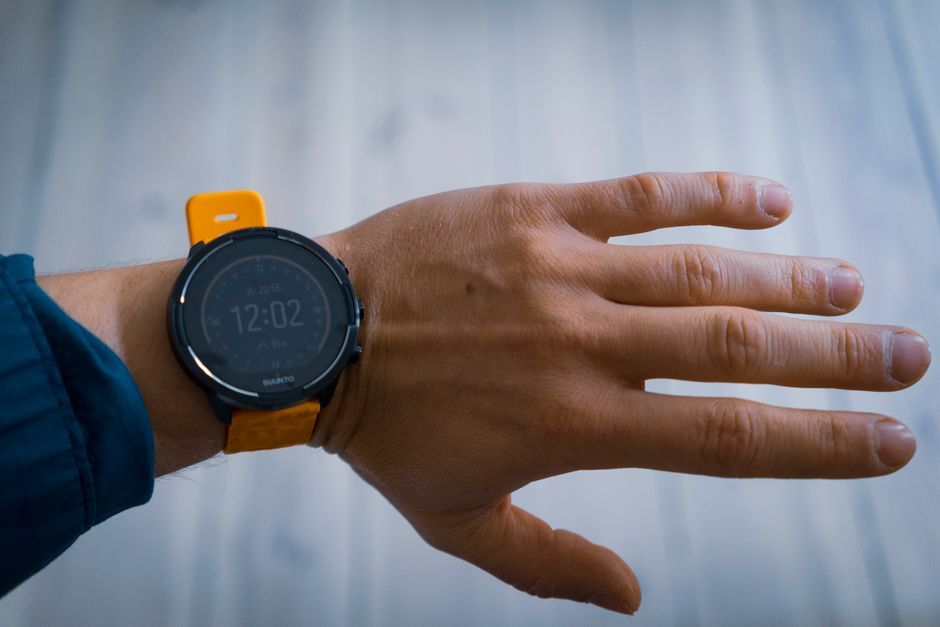
Stock photo for illustration only, not from the actual event
Moving to the middle ground, the Race family targets performance athletes who want premium builds and robust navigation tools. Alongside models like the compact Race S and the larger Race 2, the newly introduced Race 3S brings a titanium and sapphire build, alongside enhanced battery capacity and screen brightness at a $599 price point.
For those venturing far beyond civilization, the Vertical series, anchored by the Vertical 2, acts as an expedition-grade device. Weighing roughly 87 grams with a 49 mm case, it features a built-in LED flashlight, a redesigned heart rate sensor, and massive battery life intended for multi-day trips where charging is unavailable.
Understanding the exact demands of your athletic routine is crucial when selecting a GPS watch. Separating devices by specific use cases—such as lightweight daily road running versus multi-day mountain expeditions—prevents buyers from overspending on unnecessary heavy-duty features or under-buying on battery endurance.
Ultimately, choosing the right Suunto watch depends entirely on your activity scope: select Run for simple road training, Race for multi-sport performance, or Vertical for extended outdoor expeditions.
Source: Lifehacker
Found something wrong in this article? Report an issue with this article
Comments
Leave a Comment