

AI hedge fund Situational Awareness may have sold its public portfolio, but it still has its Anthropic shares
Leopold Aschenbrenner's AI-focused hedge fund navigates heavy market turbulence after a sharp drop in infrastructure holdings.
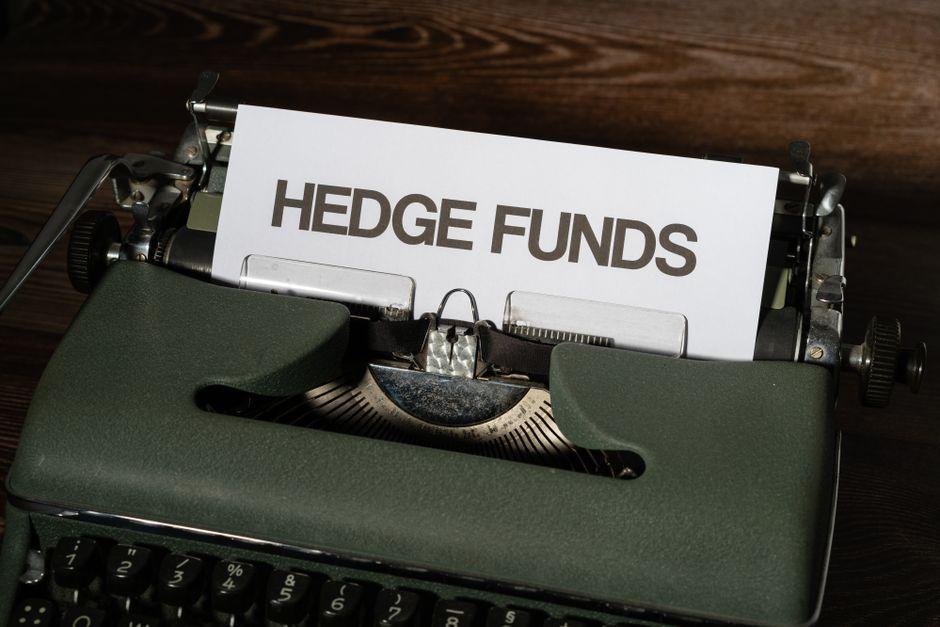
Stock photo for illustration only, not from the actual event
- Situational Awareness returned 439% for the year through June.
- AI infrastructure stocks held by the fund plummeted by over 30% in a month.
- Citadel bought the bulk of the holdings, reducing assets to around $10 billion.
German-born Leopold Aschenbrenner, who is 25, had no prior trading experience before launching the fund in 2024. He gained prominence for his investment thesis after publishing essays arguing that scaling AI would require a major build-up in semiconductors, compute, memory, and energy infrastructure.
Things couldn't have been going better for Situational Awareness until very recently, with the Financial Times reporting that the fund returned 439% for the year through June. Assets under management reportedly grew to as much as $45 billion at their peak before the fund's positions began dropping sharply amid a broader decline in AI infrastructure investments, according to CNBC.

Stock photo for illustration only, not from the actual event
AI infrastructure equities fell as public investors grew concerned that massive capital expenditures weren't translating into near-term revenue. The fund's losses were amplified by leverage, a common hedge fund strategy of using borrowed money to buy stocks.
Some of the hardest-hit stocks held by the fund included memory chip producers SK Hynix and Sandisk, clean energy developer Bloom Energy, and neocloud provider Nebius Group, all of which plummeted by more than 30% over the past month.
The use of leverage in hedge fund portfolios serves as a double-edged sword. While it magnifies gains during market booms, sudden downward corrections can trigger forced liquidations and severe capital depletion, forcing rapid restructuring during market downturns.
After Citadel bought the bulk of those holdings, Situational Awareness' overall assets fell to roughly $10 billion, Bloomberg reported, down from around $20 billion in recent months, per an earlier WSJ report.
Situational Awareness raised several hundred million dollars at its outset. Early backers of the fund include quant-trading firm Jane Street, Stripe co-founders Patrick and John Collison, and Meta executives Daniel Gross and Nat Friedman.
Other private investments in the portfolio of Situational Awareness include chipmaker MatX and AI data center startup Fluidstack, which was reportedly in talks in April to raise a new round at an $18 billion valuation. TechCrunch has reached out to Aschenbrenner for comment.
Source: TechCrunch
Found something wrong in this article? Report an issue with this article
Comments
Leave a Comment