

Why Apple is finally making its own smart home devices
Apple launches the Home Collection smart home lineup alongside HomeView, partnering with LG and Schneider Electric to rival Amazon and Google.

Stock photo for illustration only, not from the actual event
- Apple unveils the Apple Home Collection and HomeView smart display
- Products are codeveloped with industry partners LG Electronics and Schneider Electric
- Key focuses include simple setup, tight ecosystem integration, and data privacy
- Matter technology and Siri AI cited as the critical catalysts for the rollout
For more than a decade, Apple relied on third-party manufacturers to build smart home devices compatible with its platform. Now, the company has officially entered the hardware space with its own dedicated lineup. The Apple Home Collection features cameras, thermostats, sensors, a smart door lock, and a video doorbell, all codeveloped alongside manufacturing partners LG Electronics and Schneider Electric, arriving alongside HomeView, Apple’s first proprietary smart display.
Even after 12 years since the introduction of HomeKit, Apple’s smart home ecosystem has often lagged behind competitors. Amazon and Google have long supported broader product portfolios alongside popular in-house hardware brands like Ring and Nest, leaving Apple without a direct physical benchmark to showcase its vision of a unified smart home experience until now.
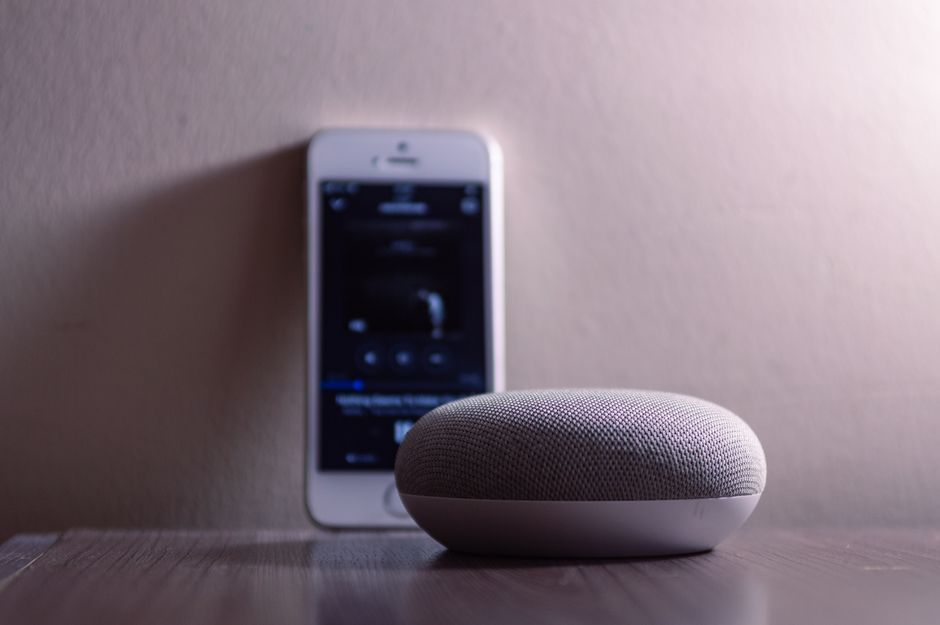
Stock photo for illustration only, not from the actual event
The lingering question is why Apple chose this moment to dive in, and whether these products introduce genuine innovation or merely repackaging. During Apple’s “Welcome home” event in New York, Jennifer Pattison Tuohy of The Verge spoke with Kaiann Drance, vice president of product marketing for home at Apple, to discuss the company’s new strategic approach and its ongoing commitment to Matter, the open smart home standard it helped establish.
Apple's move to launch proprietary smart home hardware highlights the limitations of relying solely on external partners to drive an ecosystem. By introducing native devices backed by advances in conversational AI and interoperability standards, Apple aims to capture tighter control over the consumer experience and bridge the gap against entrenched competitors in the smart home sector.
According to Drance, the decision to pivot toward dedicated smart home hardware was driven by the convergence of specific foundational technologies. The first was the Matter standard, which established a reliable interoperable framework, while the second was advancements in artificial intelligence that enabled a more conversational Siri voice assistant. Both elements were strictly necessary to successfully power a dedicated hub device like HomeView.
"With the magic of Siri AI, it comes together in a way that we haven’t been able to deliver before. That’s been a really critical piece of bringing this all together."
Kaiann Drance, Apple
The broader strategy relies on positioning HomeView as a primary gateway into the smart home ecosystem for Apple users. Purchasing a hub initially for music playback, guided cooking recipes, or calendar management could naturally lead consumers to adopt complementary security cameras or smart locks. Drance notes that once users try a single smart device and realize how seamless the experience is, it unlocks a deeper understanding of what home automation can achieve.
Industry research from Parks Associates indicates that the primary barrier to smart home adoption remains a perceived lack of value, closely followed by privacy concerns, complexity, and high costs. While Apple's hardware does not tackle affordability—with items starting at $200—the company aims to tackle the remaining friction points through one-tap setup processes and strict data privacy guarantees.
Source: The Verge
Found something wrong in this article? Report an issue with this article
Comments
Leave a Comment