

Tawee Receives Petition Against ThaiHealth Fund Bill
MP Tawee Sodsong receives a petition from 29 civil society networks in southern Thailand, urging the government to withdraw the proposed ThaiHealth Fund amendment.

Stock photo for illustration only, not from the actual event
- MP Tawee Sodsong received an opposition petition against the ThaiHealth Bill at Narathiwat Airport.
- Twenty-nine southern networks protested the removal of the 2% sin tax allocation for the health fund.
- Data indicates over 90% of citizens oppose the proposed legislative changes during public hearings.
- Prachachart Party plans to debate and challenge the bill in the House of Representatives if not withdrawn.
At Narathiwat Airport, Pol. Col. Tawee Sodsong, list-MP and leader of the Prachachart Party alongside serving as an advisor to the House Committee on Legal Affairs, Justice and Human Rights, together with Narathiwat MP Kamolsak Leeworameth and former Justice Ministry secretary Kuheng Yaohahassan, received an open letter from representatives of 29 health and social risk prevention networks in the southern border provinces.
The petition calls on the government to review and withdraw the proposed amendment bill to the Thai Health Promotion Foundation (ThaiHealth) Act, which was submitted by Anutin Charnvirakul and his colleagues. The core of the bill seeks to alter the funding mechanism by canceling the 2% surcharge collected from alcohol and tobacco excise taxes—known as sin taxes—which traditionally flow directly to ThaiHealth, replacing it with an annual national budget allocation instead. This has raised deep concerns among civil society regarding the stability of grassroots health budgets.
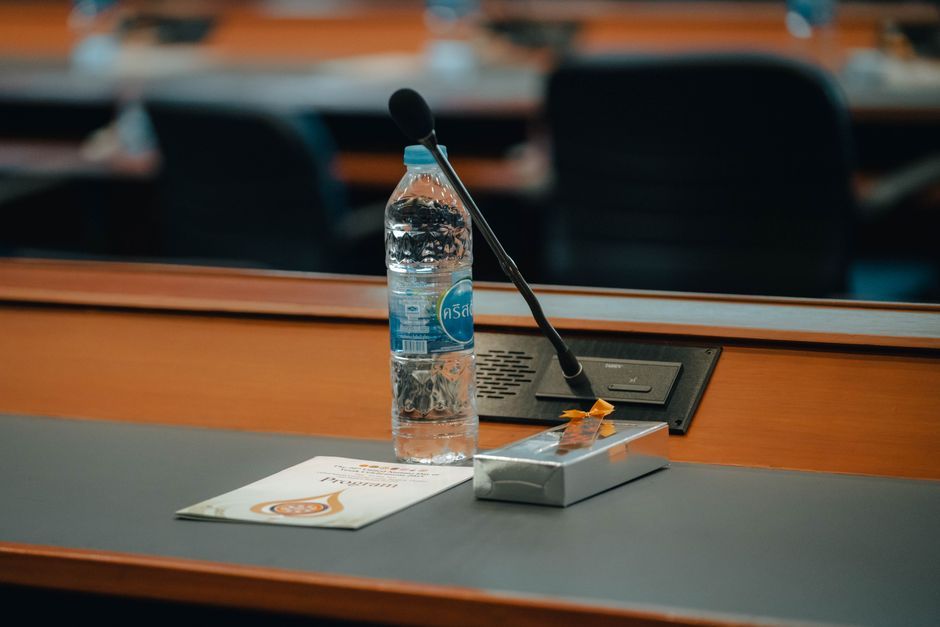
Stock photo for illustration only, not from the actual event
Pol. Col. Tawee stated during discussions with network representatives that health is a fundamental priority. Within the justice system, drug-related offenses rank highest among inmates, followed by traffic accidents, particularly drunk driving, which causes massive losses. Preventive measures therefore remain critical.
"Thailand suffers from high corruption. When health issues are pulled back into the regular budgetary system, they become tied to corruption, lobbying, and budget competition. From preliminary reports during constitutional public hearings, over 90% of citizens disagreed with this draft."
Pol. Col. Tawee Sodsong
The proposed amendment to ThaiHealth is controversial because the independent fund relies on earmarked sin tax revenues to execute preventive public health campaigns. Shifting its financial structure to the central state budget subjects the organization to regular fiscal allocations and political lobbying, potentially diminishing its operational autonomy and flexibility in grassroots community interventions.
Pol. Col. Tawee added that if the sponsors refuse to withdraw the bill, the Prachachart Party will prepare information for MP Kamolsak Leeworameth and party members to debate its pros and cons in parliament, questioning whether regular state budget channels will maintain the same transparency and mandatory reporting standards required by law.
Representatives from the Baan Thai Suk youth group in Lolo sub-district, Rueso district, Narathiwat, revealed that ThaiHealth support previously enabled them to build safe spaces, reintegrate drop-out students, and help youth quit smoking and vaping. Meanwhile, the Narathiwat Children Council noted that ThaiHealth remains vital for supporting anti-alcohol media campaigns among youngsters.
The coalition submitted five key demands: 1. Withdraw or suspend the bill until a comprehensive impact assessment is completed; 2. Evaluate long-term fiscal and budgetary impacts; 3. Consider negative effects on vulnerable groups, children, and communities; 4. Enhance governance without abolishing the 2% revenue mechanism; and 5. Conduct public hearings and ensure civic participation before any legislative amendments.
Source: Khaosod Politics
Found something wrong in this article? Report an issue with this article
Comments
Leave a Comment