

Brazil Amazon sees record deforestation fall ahead of election
Satellite data shows Amazon deforestation in Brazil dropped 41.8% to a record low since 1988, as President Lula faces a tight run-off vote.

Stock photo for illustration only, not from the actual event
- Amazon deforestation in Brazil fell by 41.8%, marking the largest drop since records began in 1988.
- Deforestation in the Cerrado savanna region decreased by 23.8% over the same period.
- President Luiz Inácio Lula da Silva aims to achieve zero illegal deforestation by 2030.
- Lula faces a neck-and-neck run-off election on October 25 against Flavio Bolsonaro.
Deforestation rates across the Amazon rainforest in Brazil plummeted by 41.8% in the year leading up to July 2026, according to satellite data, representing the sharpest decline since official records began in 1988. Meanwhile, the Cerrado, Brazil's savanna region, experienced a 23.8% drop in forest clearing. This milestone follows strict environmental enforcement policies implemented by left-wing President Luiz Inácio Lula da Silva, who assumed office three years ago and pledged to halt deforestation by 2030.
During the 2019 to 2022 presidency of right-wing predecessor Jair Bolsonaro, the Amazon lost nearly 60% more forest land compared to the preceding four years. Official data cited by AFP showed that Bolsonaro promoted mining on indigenous lands while simultaneously cutting resources dedicated to forest protection. Upon taking office, President Lula reversed these policies, tightened monitoring, and increased penalties for illegal logging, successfully driving deforestation down to a six-year low in his first year and culminating in this historic drop.
This environmental turnaround comes at a critical political juncture for Brazil. On October 25, President Lula will compete in a runoff election against Flavio Bolsonaro, the son of the former president. Polls indicate a neck-and-neck race; while Flavio has pledged to combat organized crime in the Amazon, he is expected to maintain his father's overarching policy trajectory if victorious.
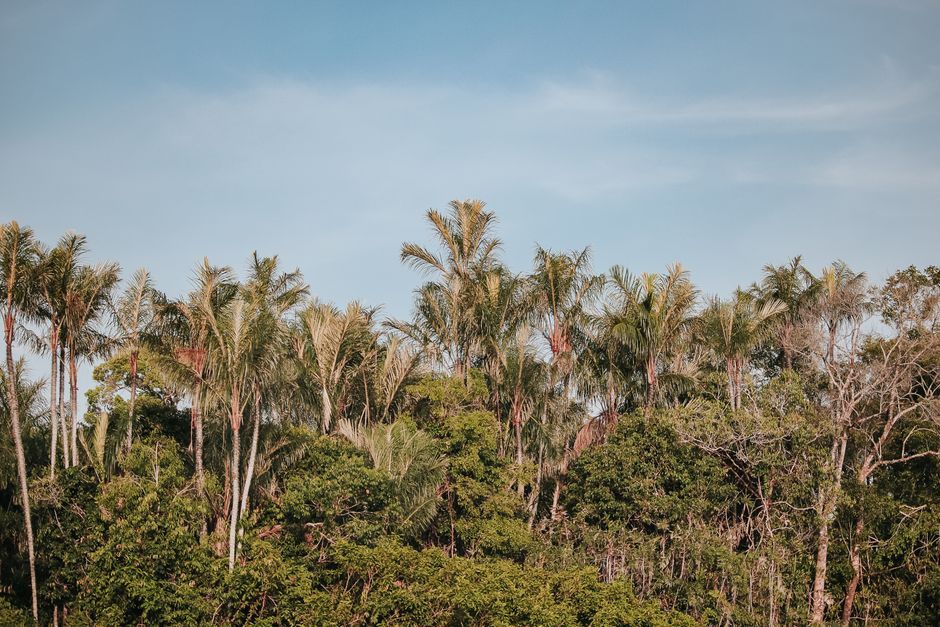
Stock photo for illustration only, not from the actual event
"Our goal is to achieve zero illegal deforestation by 2030."
Luiz Inácio Lula da Silva, President of Brazil
Marcio Astrini, executive secretary at the climate advocacy group Observatorio do Clima, described the decline as a historic achievement for Brazil. He noted that the data proves political will can effectively curb deforestation and greenhouse gas emissions. Nonetheless, tropical rainforests like the Amazon—home to millions of species and a vital global buffer that absorbs massive amounts of planet-warming carbon dioxide—continue to face severe pressure from decades of agricultural land clearance and climate change-induced risks such as wildfires.
Context and Analysis: Spanning roughly 60% within Brazilian borders, the Amazon rainforest acts as a cornerstone for global climate stability. The significant reduction in canopy loss underscores how stringent governmental monitoring, satellite oversight, and strict penalties can yield measurable ecological recovery. However, with the upcoming October runoff election introducing political uncertainty, the long-term permanence of these conservation gains remains closely tied to future shifts in national leadership.
Source: BBC Science & Environment
Found something wrong in this article? Report an issue with this article
Comments
Leave a Comment