

Ruben Moutinho turns lab waste into sculptural art
Designer Ruben Moutinho transforms discarded research prototypes and scientific experiment fragments into unique sculptural objects through The Form That Remained project.

Stock photo for illustration only, not from the actual event
- Ruben Moutinho turns laboratory waste and research prototypes into art
- The project is titled The Form That Remained showcasing recycled test models
- Sculptures retain original project names like SHESOIL and AUTONOVA
- The STRATA process utilizes cutting layering and fusing techniques
When technological innovation reaches its completion, the physical remains are frequently discarded. However, industrial designer and researcher Ruben Moutinho views these leftover components through an artistic lens, transforming discarded research prototypes, failed experiments, and obsolete scientific fragments into unique sculptural objects.
Developed under the project title The Form That Remained, the collection builds its material archive directly from scientific and technological development initiatives. Each piece preserves the technical geometries, surface treatments, and structural forms that were originally generated during iterative testing and refinement phases.
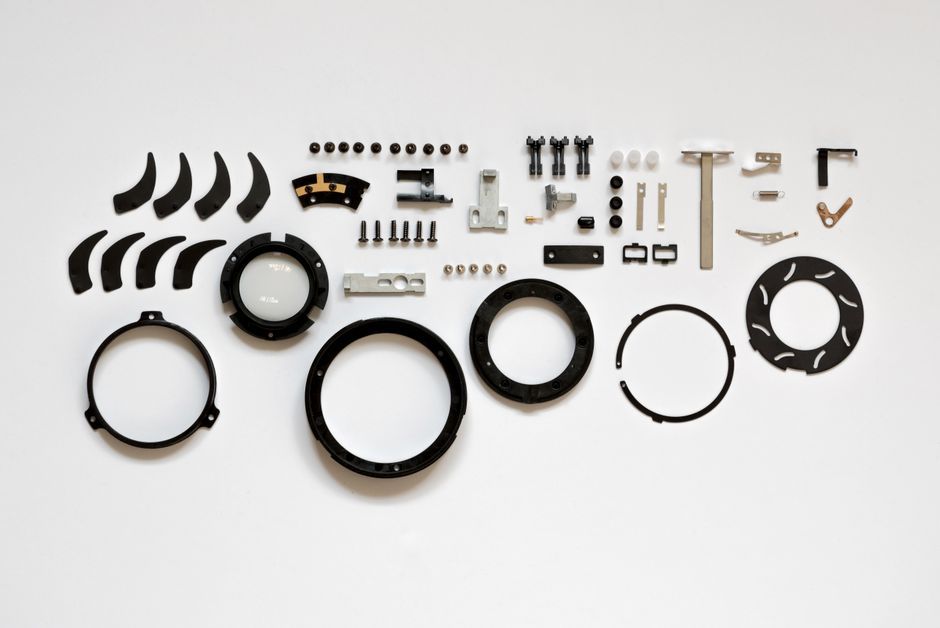
Stock photo for illustration only, not from the actual event
Rather than concealing their origins, every sculpture maintains the official name or acronym of its source research project as an independent identity, featuring titles such as SHESOIL, AUTONOVA, LIVIA, BRIVA, ACTIVA, and UNIKA.
Recontextualizing laboratory remnants into permanent art pieces highlights a growing intersection between scientific prototyping and sustainable contemporary sculpture. By elevating industrial waste into fine art, the project questions the boundary between functional utility and aesthetic preservation.
At the core of the collection is STRATA, a specialized material process involving the cutting, fragmenting, collage, overlapping, and fusing of components harvested from a single research initiative. This assembly method successfully bridges technical structures with organic shapes while exposing diverse colors, textures, and material properties.
By removing these discarded prototypes from their original functional contexts, designer Ruben Moutinho produces non-reproducible objects featuring irregular geometries and layered surfaces, successfully converting temporary experimental remains into permanent artistic artifacts.
Source: designboom
Found something wrong in this article? Report an issue with this article
Comments
Leave a Comment