

Avian flu and costs force bird transfers at Castle Espie
Northern Ireland wildlife site Castle Espie will transfer all captive birds to other WWT locations from November due to avian flu, Brexit checks, and rising costs.

Stock photo for illustration only, not from the actual event
- Castle Espie in Northern Ireland is transferring all its captive birds to other WWT sites across the UK from November.
- Captive bird numbers dropped from over 500 to under 100 due to avian influenza and post-Brexit transport hurdles.
- Guided school tours are being cancelled as part of wider cost-cutting measures by the Wildfowl and Wetlands Trust.
Castle Espie, one of Northern Ireland's most prominent wildlife reserves located on the shores of Strangford Lough near Comber, is phasing out its captive bird collection and guided educational school tours. Managed by the Wildfowl and Wetlands Trust (WWT), the site will relocate all remaining captive birds to other WWT facilities across the United Kingdom starting in November.
Alex Lane, Director of Operations at WWT, explained that the reduction in captive birds stems from the combined impact of avian influenza outbreaks and increased logistical challenges in transporting birds since Brexit. The charity is facing heightened financial pressures and rising operational costs that require strict expenditure reviews across its sites.
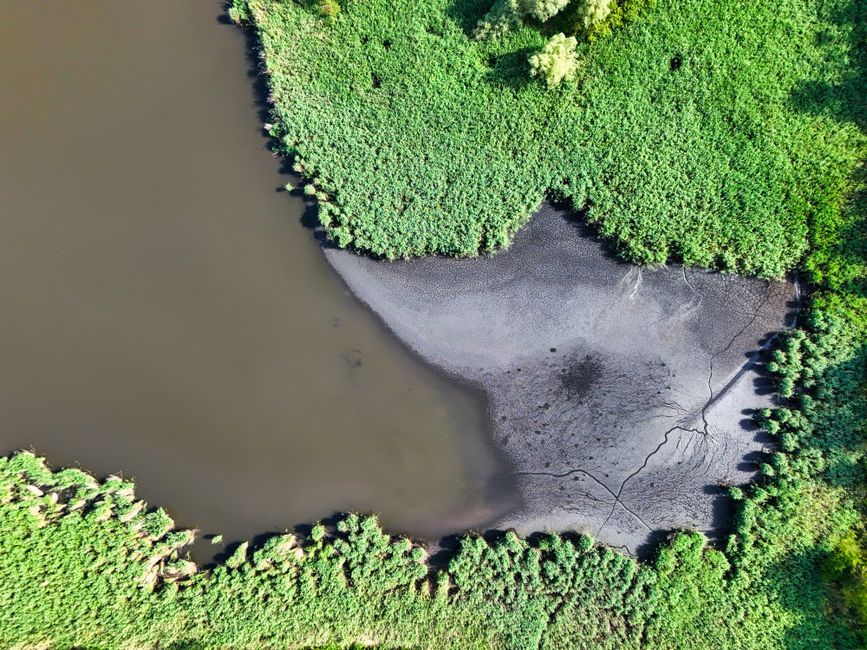
Stock photo for illustration only, not from the actual event
Historical records show the Northern Ireland reserve previously housed over 500 birds in its captive collection, but that figure has plummeted to fewer than 100 today. Transporting birds between mainland Great Britain and Northern Ireland has become significantly more complicated due to divergent post-Brexit biosecurity rules. Under the Windsor Framework mandates, moving captive birds requires export health certificates and mandatory border checks upon entry.
This operational shift at Castle Espie highlights the broader administrative and financial strains placed on environmental charities by post-Brexit regulatory divergence. Furthermore, terminating guided educational programs underscores the difficult choices organizations face when balancing conservation missions against tightening budgets and declining school booking rates.
Alongside the captive bird collection, WWT is decommissioning its formal guided school tour program, citing insufficient bookings to cover operational expenses, potentially exacerbated by rising transport costs for schools. Nevertheless, the center has confirmed it will continue to welcome self-guided school visits for students and teachers.
The changes have drawn criticism from local politicians. Cara Hunter, an SDLP MLA sitting on the Stormont education committee, expressed concern over the termination of guided visits, noting that the reserve has historically served as a vital educational resource connecting young people to local conservation and environmental stewardship.
"Castle Espie has played an important role in introducing generations of young people to nature, conservation and the unique environment on their doorstep."
Cara Hunter
Despite downsizing the captive bird display, WWT leadership views the transition as an opportunity to reset Castle Espie as a dedicated hub focused primarily on broader wetland nature conservation and habitat preservation.
Source: BBC Science & Environment
Found something wrong in this article? Report an issue with this article
Comments
Leave a Comment