

Airlines Upgrade Inflight Menus as Cabin Refurbs Lag
Major airlines are partnering with Michelin-starred and celebrity chefs to revamp premium cabin dining menus as new seat installations face long delays.

Stock photo for illustration only, not from the actual event
- New airline seats take years to install, but inflight menus can be completely refreshed in months.
- Carriers like Singapore Airlines, Qatar Airways, and United Airlines are leveraging chef partnerships.
- United partnered with 11 chefs from Netflix's Chef's Table for menus rolling out through 2027.
- The long-term commercial payoff remains unproven as adoption becomes widespread across the industry.
Installing new cabins is expensive, operationally complex, and notoriously slow. Because developing, certifying, and fitting out new business and first class products can take years, airlines are turning to a faster alternative to deliver an upscale experience and justify premium fares: celebrity chefs.
By partnering with award-winning culinary names, airlines can give their premium cabins a major refresh without needing to replace a single physical seat. Food and beverage service has thus emerged as one of the most flexible levers for carriers looking to differentiate their premium offerings in a competitive market.
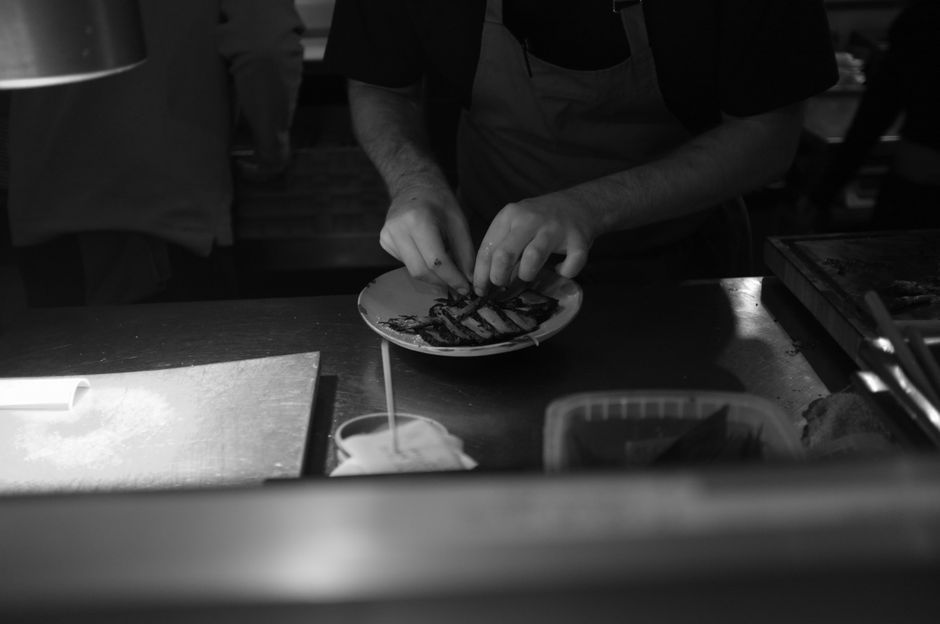
Stock photo for illustration only, not from the actual event
While chef partnerships are not entirely new in aviation, they have increasingly become a hallmark of elite long-haul carriers. Singapore Airlines, for instance, has operated its Book the Cook program since 1998, and recently unveiled over 100 new and refreshed dishes ahead of upcoming cabin reveals.
Other major players are accelerating similar strategies:
- Qatar Airways added James Knappett of London's two-Michelin-starred Kitchen Table to its Flavors to Fly roster.
- United Airlines partnered with 11 chefs from Netflix's Chef's Table for its Polaris business class on select long-haul routes.
- United's menus are tied directly to the chefs' home cities and will rotate seasonally through 2027.
The reliance on culinary partnerships highlights ongoing supply chain bottlenecks and certification delays plaguing aircraft manufacturers. Upgrading food is a nimble workaround, yet it comes with strict logistical hurdles. Meals must withstand high-altitude pressure, limited galley space, and strict allergen guidelines while maintaining restaurant-quality presentation.
Execution constraints in the sky remain fierce. Dishes must be finalized months in advance, plating needs to be executed swiftly inside cramped galleys, and ingredients must adapt constantly to changing dietary and allergy protocols.
"Whether any of this translates into greater passenger loyalty or higher fares is harder to establish"
Skift
Despite the heavy marketing push, the ultimate commercial payoff is difficult to measure. Analysts note it is hard to establish whether these high-profile culinary collaborations genuinely drive customer loyalty or allow carriers to sustain higher ticket prices. As more competing airlines sign notable names, these partnerships risk transforming from a unique selling proposition into a baseline expectation for premium passengers.
Source: Skift
Found something wrong in this article? Report an issue with this article
Comments
Leave a Comment