

Post-Flood Crisis: Poll Shows Debt and Home Damage
KPI Poll reveals 38.8% of Thai citizens worry about home damage and 40.5% urgently need financial aid after severe floods.

Stock photo for illustration only, not from the actual event
- Floods recede but struggles remain: Debt and repair costs lead worries
- KPI Poll of 2,000 citizens shows 38.8% fear property damage most
- 40.5% of people urgently demand direct financial relief from the state
- Government must urgently tackle household debt and income recovery
While floodwaters are receding across many regions, the ordeal for affected citizens is far from over. Left behind in the wake of the disaster are ruined homes, damaged farmland, mounting repair bills, and shrinking incomes that clash directly with rising debts and financial obligations.
A recent survey by KPI Poll from King Prajadhipok's Institute, titled “Public Concerns and Expectations Regarding Post-Flood Recovery,” gathered responses from 2,000 samples nationwide, clearly illustrating the harsh realities disaster victims currently face.
These figures demonstrate that profound life instability persists long after water levels drop. Most alarmingly, 37.3 percent of respondents view debt and repair expenses as a prolonged, chronic problem, while 18.3 percent report that their livelihoods and occupations have failed to recover.
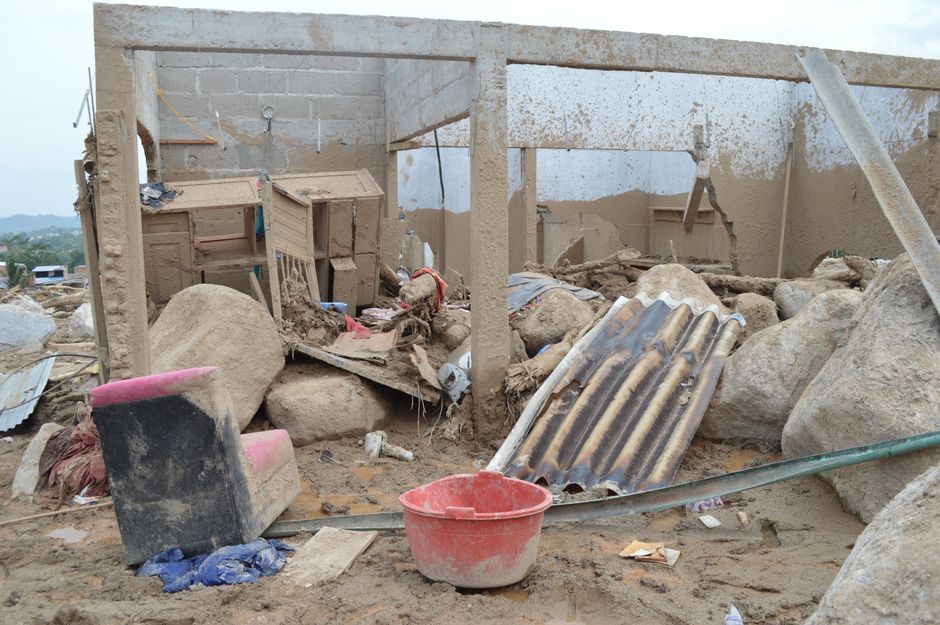
Stock photo for illustration only, not from the actual event
The aftermath of severe flooding often triggers deeper economic shockwaves than the disaster itself, as household savings are entirely depleted by evacuation and emergency repairs. When household debt surges while income streams remain stagnant, debt-servicing capacity plummets. Without swift state intervention or structural debt relief, this crisis threatens to leave lasting scars on the grassroots economy.
These two major hurdles demand immediate government action. Many victims lack the liquidity required to purchase building materials and essential goods, while their earning capabilities remain crippled. Leaving citizens to shoulder these heavy burdens alone will only cause the disaster's economic damage to fester over the long term.
Furthermore, the survey highlights specific public demands: 40.5 percent of citizens request financial relief funding above all else, followed by 21.6 percent needing assistance with housing repairs, and 12.1 percent seeking debt suspension or expense reductions.
These findings emphasize that disaster victims require much more than mere verbal encouragement; they need concrete, tangible support systems to regain their footing and rebuild their lives after the floods.
Source: Khaosod Politics
Found something wrong in this article? Report an issue with this article
Comments
Leave a Comment