

Elon Musk settles lawsuits over $1 million voter giveaway
Elon Musk has agreed to settle two lawsuits in Austin, Texas, filed by plaintiffs claiming his 2024 voter lottery giveaway was fraudulent.

Stock photo for illustration only, not from the actual event
- Elon Musk has agreed to settle two lawsuits filed in Austin, Texas, over his voter giveaway.
- Plaintiffs from Arizona claimed the $1 million daily voter lottery was fraudulent and not random.
- An attorney for America PAC previously admitted in court that recipients were chosen in advance.
Elon Musk has agreed to settle lawsuits filed by two Arizona residents in Austin, Texas, who alleged that his campaign offering $1 million a day to registered voters in swing states amounted to fraud. While a settlement has been reached, the specific financial terms and details of the agreement have not been disclosed to the public.
The legal challenges began after Musk launched a sweepstakes in 2024 promising daily cash prizes to randomly selected registered voters in critical swing states. The initiative quickly sparked legal scrutiny, prompting the lawsuits from plaintiffs who stated they never would have signed the required petition if they had known the winner selection process was not actually random.
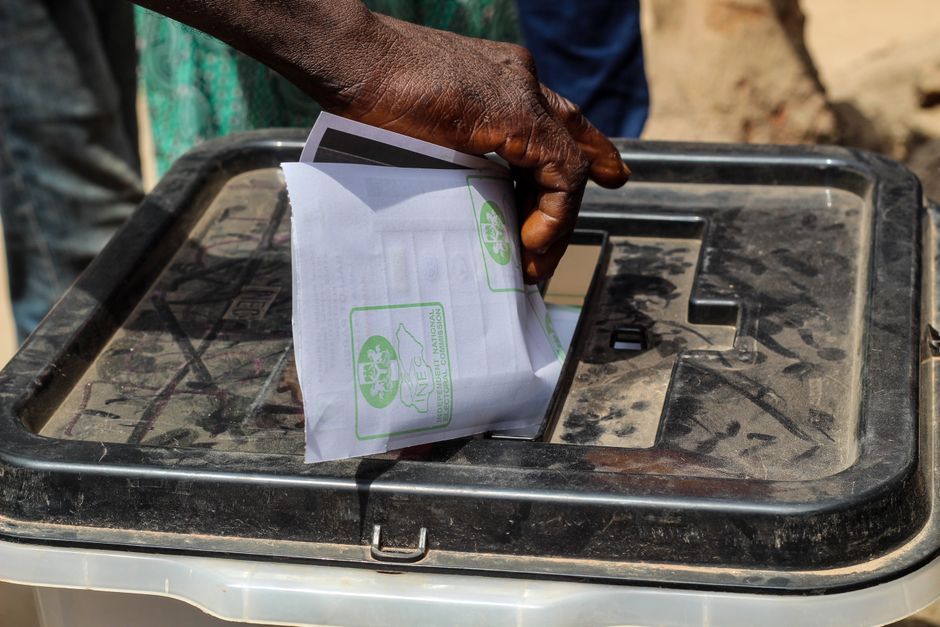
Stock photo for illustration only, not from the actual event
The controversy intensified when Philadelphia’s District Attorney sued to halt the giveaway, labeling it an illegal lottery. During a court hearing, Chris Gober, a representative for Musk’s America PAC, explicitly told the judge that the recipients of the $1 million were not chosen by chance and that organizers already knew in advance who would be announced as winners.
By settling out of court, Musk and America PAC managed to sidestep further judicial scrutiny regarding how personal user data was collected and utilized through the petition process. Data privacy advocates and plaintiffs had heavily criticized the petition for lacking clear limitations on how harvested user information could be sold or repurposed.
The plaintiffs maintained that the giveaway served primarily as a data-harvesting ploy, noting that the petition placed no restrictions on America PAC's ability to use or sell the personal data collected from participants, nor did it clarify future plans for the information.
Source: The Verge
Found something wrong in this article? Report an issue with this article
Comments
Leave a Comment