

Eat Your Way to Glowing Skin: 10 Lycopene-Rich Red Fruits
Discover 10 red fruits packed with antioxidants, lycopene, and anthocyanins to nourish your skin, fight aging, and boost heart health.
Stock photo for illustration only, not from the actual event
- Red fruits get their vibrant color from lycopene and anthocyanins
- The Eat the Rainbow concept is a doctor-recommended health tip
- Featuring 10 red fruits that benefit skin and slow down aging
- Best consumed in moderation alongside regular exercise
The vibrant red hues found in various fruits and vegetables stem from essential compounds known as lycopene and anthocyanins. These act as powerful natural antioxidants that protect cells from damage, slow down bodily aging, nourish the skin, and lower the risk of cardiovascular diseases.
Adopting the "Eat the Rainbow" philosophy—incorporating multicolored produce, especially red varieties, into your daily meals—has long been recommended by physicians and dietitians. To guide those looking to elevate their self-care routine, here are 10 healthy red fruits that should be added alongside your balanced daily meals.
Starting with watermelon, a refreshing and hydrating fruit containing exceptionally high levels of lycopene. Research shows that the lycopene in watermelon helps shield the skin from UV radiation and supports a healthy heart. Next is strawberry, a popular fruit boasting high vitamin C content that stimulates collagen production beneath the skin for a firm, radiant complexion, paired with dietary fiber for digestion.

Stock photo for illustration only, not from the actual event
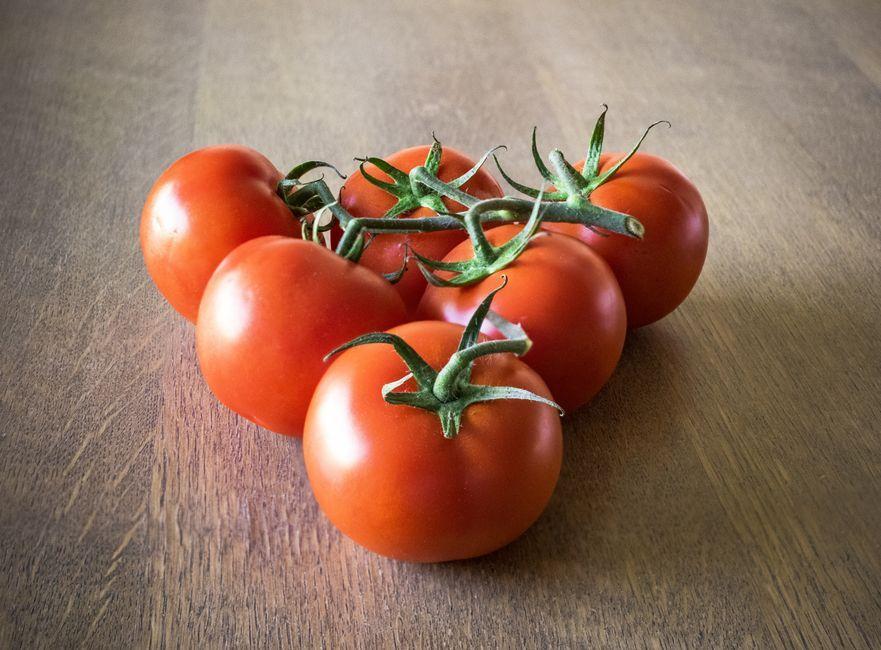
Moving on to pomegranate, often dubbed the "ruby of fruits." It is loaded with potent antioxidants that reduce bodily inflammation, slow aging, and help regulate blood pressure levels. Meanwhile, tomato—classified botanically as a fruit—yields better lycopene absorption when lightly cooked, benefiting both skin health and prostate function.
When it comes to apples, the saying "an apple a day keeps the doctor away" holds true. The skin of red apples contains quercetin, which reduces inflammation and supports lung health, along with high dietary fiber to keep you feeling full longer. As for cherry, this small fruit packs a massive punch with natural anti-inflammatory properties that relieve joint pain, plus natural melatonin to improve sleep quality.
Consuming lycopene and anthocyanins through red fruits goes beyond superficial beauty benefits. From a medical perspective, these compounds combat oxidative stress, which is a primary driver of chronic cellular inflammation. Incorporating these fresh fruits into your diet is a valuable long-term investment in your cardiovascular and cellular health.
Next is red grape, whose skin contains resveratrol, a renowned antioxidant that supports cardiovascular health and helps lower low-density lipoprotein (LDL) cholesterol levels. Raspberry, a striking red berry, is packed with vitamins, minerals, and high fiber to help maintain stable blood sugar levels while supporting the nervous system and brain.
Cranberry is well-known for preventing urinary tract infections by inhibiting bacteria from adhering to the bladder walls, making it especially beneficial for women. Finally, red dragon fruit is ideal for weight management, offering abundant fiber and prebiotics that serve as nourishment for gut bacteria, promoting digestive balance and immune support.
Choosing to eat these 10 healthy red fruits is a straightforward method to supply your body with essential vitamins and antioxidants, helping manage your figure, nourish your skin, and prevent chronic illnesses. Nonetheless, they should be enjoyed in moderation alongside adequate water intake and regular exercise for sustainable well-being.
Source: Thairath Lifestyle
Found something wrong in this article? Report an issue with this article
Comments
Leave a Comment