

France unrest: Government faces pressure after weekend of violence
French PM holds crisis cabinet meeting after widespread riots damage 1,500 businesses and injure 1,000 police officers amid intense political pressure.

Stock photo for illustration only, not from the actual event
- Prime Minister Sébastien Lecornu held a crisis cabinet meeting on Monday to assess severe nationwide weekend riots.
- Over half a million protesters demonstrated on Saturday against rising living costs and declining public services.
- Masked vandals looted and destroyed an estimated 1,500 shops and businesses across the country.
- The interior ministry reported approximately 1,000 police officers injured, with seven in serious condition.
The French government is under intense pressure following a weekend of severe violence and looting that marked some of the worst public disorder in the country's modern history. On Saturday, more than half a million predominantly peaceful protesters demonstrated against soaring living costs and worsening access to public services and state education.
However, the demonstrations turned chaotic when groups of black-clad, masked activists and vandals emerged, leading to widespread destruction. An estimated 1,500 businesses and shops were looted and destroyed. Riot police deployed tear gas, water cannons, and batons in several locations to disperse the crowds.
France's interior ministry stated that approximately 1,000 police officers sustained injuries during Saturday's clashes, with seven officers suffering serious wounds. The shocking scenes have left citizens across the nation deeply troubled about public safety and the country's trajectory.
Rumors had circulated that President Emmanuel Macron might implement a temporary curfew or declare a state of emergency to calm the situation. Instead, he delivered a televised address on Sunday calling for national unity and assuring the public that perpetrators would face punishment.
The speech faced sharp criticism on social media and from political rivals for lacking concrete details on how authorities will bring rioters to account, protect cities ahead of future protests, compensate destroyed businesses, and engage in dialogue with educators and students.
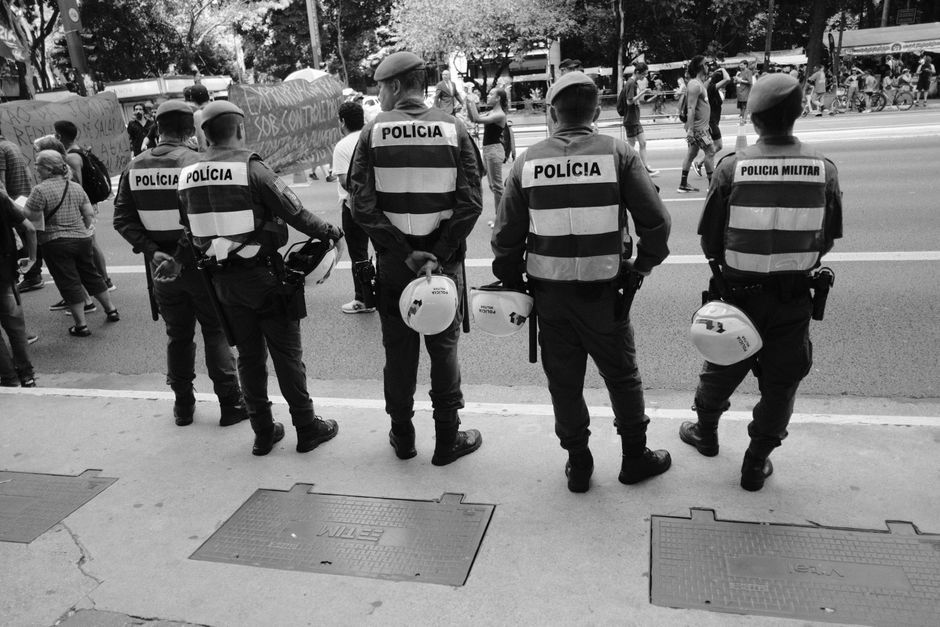
Stock photo for illustration only, not from the actual event
This crisis unfolds at a politically vulnerable time for President Emmanuel Macron, who is approaching the end of his final term as a lame-duck leader. With a presidential election scheduled in six months, candidates from both the nationalist right and anti-capitalist left are capitalizing on the turmoil. Furthermore, severe public debt pressures leave the government in a difficult position, as cutting public spending risks provoking further street demonstrations.
On Sunday, CGT union secretary-general Sophie Binet criticized Macron for ignoring student concerns and the cost-of-living crisis. Meanwhile, Yaël Braun-Pivet, president of the lower house of parliament, announced plans to launch an inquiry into the weekend's events. Graffiti daubed in red paint in central Paris highlighted the grim mood gripping the capital.
Local citizens expressed deep frustration over political finger-pointing while public safety remains compromised. Authorities are now hoping for a brief respite as students begin their half-term break.
"While we worry for our safety, they use this situation as a pre-presidential election political football."
Edouard
Source: BBC World
Found something wrong in this article? Report an issue with this article
Comments
Leave a Comment