

Alberta heads to polls on separation vote from Canada
Voters in Canada's Alberta province head to the polls on Monday to decide whether to hold a future referendum on separating from Canada amid economic and environmental tensions.

Stock photo for illustration only, not from the actual event
- Alberta voters head to the polls on Monday to decide on holding a separation referendum.
- Proponents argue Ottawa's environmental policies have stifled the province's economic growth.
- A binding referendum could take place as soon as 2027 if voters approve the process.
- Polls suggest the majority of residents still prefer remaining part of Canada.
People in the Canadian province of Alberta are heading to the polls on Monday to decide whether to hold a future referendum on separating from Canada. The vote was initiated after a grassroots group successfully gathered approximately 300,000 signatures on a petition demanding a binding separation referendum.
The decision to proceed with Monday's vote was made by provincial leader Danielle Smith of the United Conservative Party (UCP), despite a court ruling that blocked the initial petition for failing to consult Indigenous First Nations whose lands would be affected. Smith stated that while she personally opposes separation, the process gives residents a direct voice on the matter.
The separatist movement is spearheaded by Mitch Sylvestre, a gun shop owner from Bonnyville, and Jeffrey Rath, a Calgary-based lawyer representing the Alberta Prosperity Project. They argue that years of Liberal governance in Ottawa have prioritized environmental regulations over developing Alberta's oil and gas sector, preventing the province from retaining a larger share of its wealth.
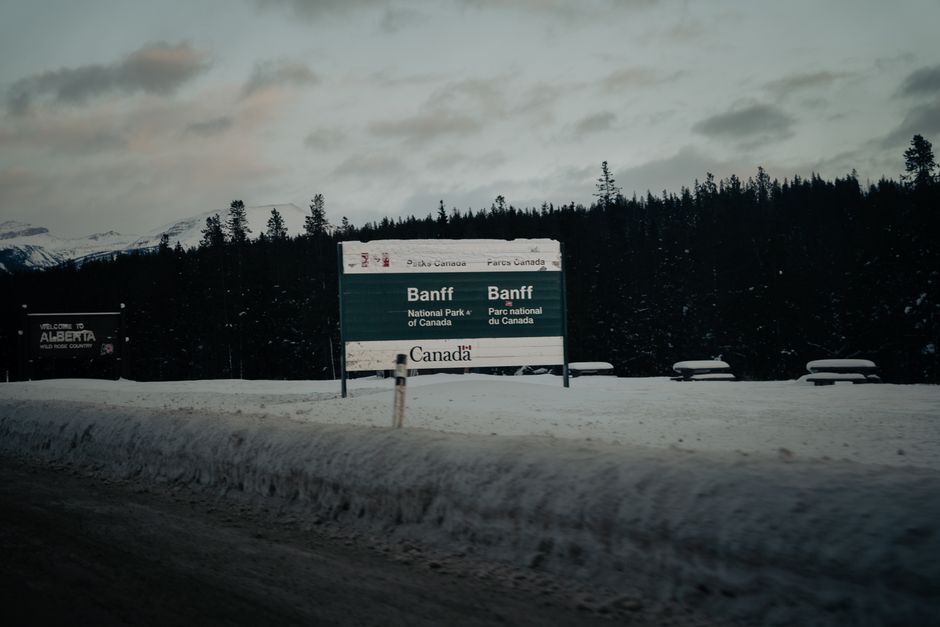
Stock photo for illustration only, not from the actual event
Conversely, opponents of separation—including Prime Minister Mark Carney—have urged national unity against external pressures. Critics warn that an independent Alberta would inherit billions of dollars in debt and face economic uncertainty akin to the UK's Brexit vote, potentially driving thousands of jobs and investments out of the region.
The separatist movement in Alberta highlights the deep-seated friction between resource-rich provinces and central federal governments over environmental regulations and economic autonomy. Such regional independence debates typically emerge in federations where energy-exporting economies clash with nationwide climate policies managed by the central capital.
"I worry about the Brexit effect"
Albertan resident
Alongside the primary separation question, Albertans are also voting on nine additional issues, several of which focus on gaining greater provincial control over immigration systems. Election officials will conduct hand-counts for all ballots, with the main separation question prioritized and results expected in the early hours of Tuesday.
Source: BBC World
Found something wrong in this article? Report an issue with this article
Comments
Leave a Comment