

Chinese Rocket Debris Lands in Minnesota Cornfield
Space debris crashes into a farmer's cornfield in Minnesota, with all evidence pointing to a component from a Chinese Zhuque-2E rocket.

Stock photo for illustration only, not from the actual event
- Unidentified space debris was discovered in a Minnesota cornfield.
- Initial evidence strongly points to components from a Zhuque-2E rocket.
- The incident stems from the uncontrolled atmospheric reentry of a Chinese rocket.
A surprising aerospace incident unfolded when a piece of space debris plunged from the sky and landed directly inside a farmer's cornfield located in the state of Minnesota, United States, drawing immediate attention from space debris researchers and local authorities alike.
Following initial inspections and evidence gathering, aerospace experts noted that all available clues strongly indicate the debris originated from a Chinese carrier rocket, specifically pointing toward the Zhuque-2E model utilized in previous orbital launch missions before its atmospheric reentry.
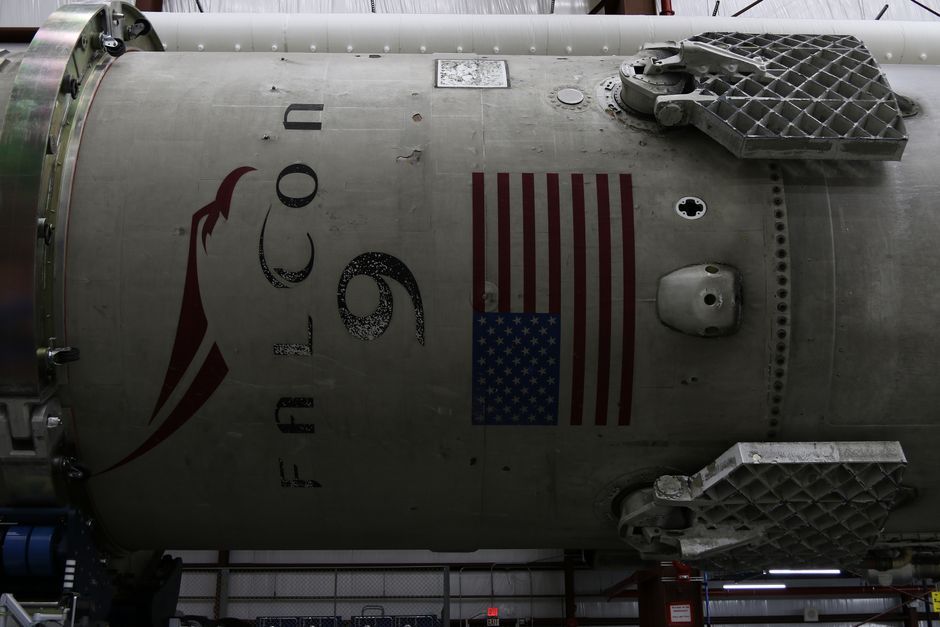
Stock photo for illustration only, not from the actual event
Uncontrolled reentries of rocket hardware into populated or agricultural regions continue to raise significant safety concerns regarding orbital debris management. Space agencies worldwide constantly monitor these events to evaluate potential risks posed to communities and infrastructure on the ground.
This uncontrolled deorbit event highlights the growing challenges accompanying the rapid expansion of the global aerospace sector. As launch frequencies increase, the statistical probability of large hardware surviving atmospheric friction and impacting landmass rather than oceans also rises, underscoring the need for sustainable design and disposal protocols.
Source: Ars Technica
Found something wrong in this article? Report an issue with this article
Comments
Leave a Comment