

UK Covid Inquiry Finds Government Failings Spread Virus in Care Homes
A 287-page report reveals over 43,000 Covid deaths in UK care homes from March 2020 to July 2022, criticizing PPE shortages and hospital discharges.

Stock photo for illustration only, not from the actual event
- Over 43,000 recorded Covid deaths occurred in UK care homes between March 2020 and July 2022.
- The report criticizes severe shortages of PPE and a lack of pre-pandemic planning.
- Discharging hospital patients into care homes without proper isolation guidelines accelerated transmission.
- The UK government was accused of prioritizing hospitals while leaving social care exposed.
A 287-page independent inquiry report has revealed devastating consequences of the Covid-19 pandemic inside United Kingdom care homes, documenting more than 43,000 recorded deaths between March 2020 and July 2022. At the onset of the outbreak, approximately 1.5 million adults lived in care settings or received support in their own homes, yet protective actions arrived far too late.
Chair Baroness Hallet stated that a lack of testing, personal protective equipment (PPE), and pre-pandemic planning created an environment where the virus could spread rapidly. She noted that during the critical early stages, the UK government and devolved administrations focused overwhelmingly on protecting hospitals rather than safeguarding care home residents and staff.
The inquiry dismissed the claim made by then-Health Secretary Matt Hancock that a protective ring had been placed around care homes as unfounded. Key findings highlighted severe systemic issues:
- Acute shortages of PPE forced staff to use makeshift workarounds such as bin bags, festival ponchos, and painters' overalls.
- Hospital patients were discharged into care homes across England, Wales, and Northern Ireland without mandated isolation guidelines.
- A lack of financial support for care workers made it difficult for infected staff to stay away from work.
- Long-standing vulnerabilities, including financial struggles and staff shortages, worsened the crisis.
- Blanket do-not-resuscitate orders were unlawfully applied in several care facilities.
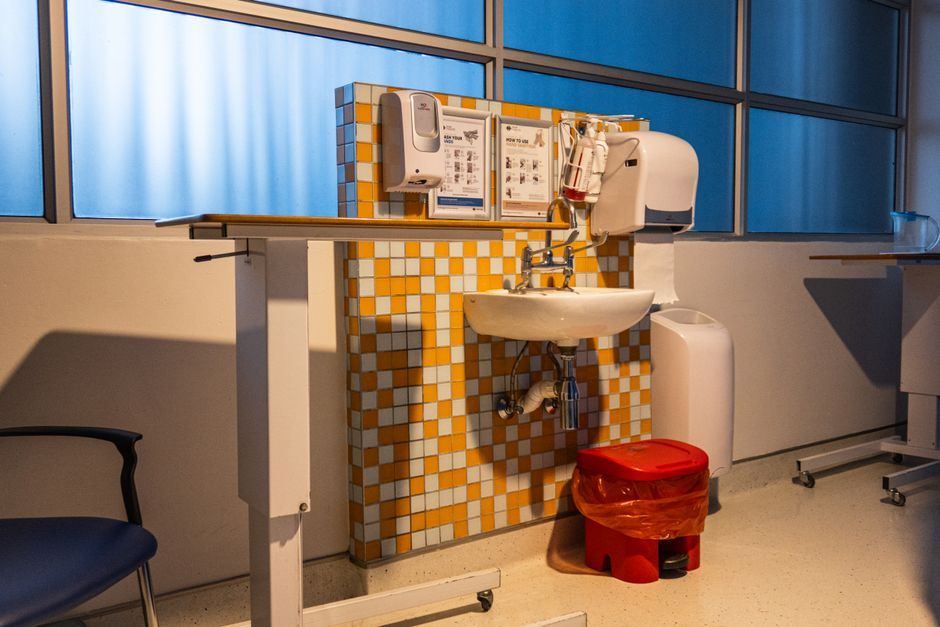
Stock photo for illustration only, not from the actual event
The report also noted that strict visitor limits caused immense psychological harm to residents and families, and many facilities failed to ease restrictions despite evidence showing low infection risks by September 2020.
"At the critical early stages of the pandemic, not enough was done to protect those living and working in care homes."
Baroness Hallet
The systemic failures exposed in UK care homes during Covid-19 highlight a broader vulnerability in public health emergency management, where acute care facilities often overshadow social care infrastructure. Bringing these shortcomings to light through a public inquiry is crucial not only for accountability but also for reforming national care services to ensure vulnerable populations receive adequate protection in future health crises.
Caroline Abrahams, charity director at Age UK, described the report as devastating, noting that social care users and staff were left entirely exposed. Speaking in the Commons, Cooper acknowledged that the social care sector has been undervalued and under-recognised for far too long.
Source: BBC Health
Found something wrong in this article? Report an issue with this article
Comments
Leave a Comment