

UK Inflation Rises to 3.5% Amid Energy Price Volatility
UK inflation reached 3.5% in September, remaining above the Bank of England's 2% target, driven primarily by higher petrol and diesel prices.

Stock photo for illustration only, not from the actual event
- UK inflation rose to 3.5% in September, staying above the Bank of England's 2% target.
- Motor fuel prices increased by 29.8% compared to the same period last year.
- The Bank of England maintained its base interest rate at 3.75% amid inflation pressures.
- Prime Minister Andy Burnham scrapped VAT on household electricity bills to ease living costs.
UK inflation climbed to 3.5% in the twelve months leading up to September, marking the highest rate in nearly a year and exceeding the Bank of England's 2% target. The increase was slightly higher than economists had anticipated, driven largely by rising costs for petrol and diesel, with inflation widely expected to climb further in the coming months.
The Office for National Statistics (ONS) tracks the prices of hundreds of everyday goods and services through a virtual shopping basket. This basket is regularly updated to reflect shifting consumer trends, incorporating items such as alcohol-free beer, dashcams, and pet grooming equipment in 2026, while removing premium bottled lager and wrapping paper to calculate the Consumer Prices Index (CPI).
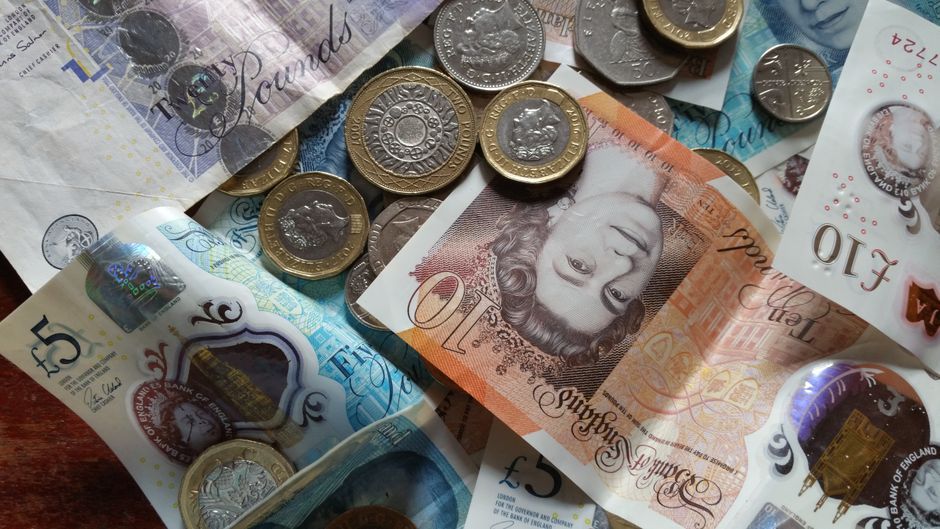
Stock photo for illustration only, not from the actual event
The Bank of England closely examines these inflation metrics when determining whether to raise, lower, or hold its base interest rate, which is currently set at 3.75%. While lifting borrowing costs helps cool down price increases by dampening consumer demand, it also introduces economic risks, including higher mortgage payments for homeowners and reduced corporate investment and hiring.
Although the 3.5% CPI inflation rate stays above the central bank's 2% target, it remains considerably lower than the peak of 11.1% recorded in October 2022 during the surge in oil and gas prices following Russia's invasion of Ukraine. Even though inflation has receded significantly since then, overall price levels have not dropped, they are simply rising at a slower pace.
"Energy price volatility made it more likely that interest rates would rise."
Andrew Bailey, Governor of the Bank of England
This inflationary trend highlights the vulnerability of the UK economy to international geopolitical disruptions, particularly within global energy markets. Fluctuations in oil and gas costs directly cascade into domestic transport and consumer goods expenses, demonstrating the complex balancing act central banks face in subduing inflation through monetary policy without stifling broader economic recovery.

Stock photo for illustration only, not from the actual event
Regarding household earnings, recent official data indicates that regular pay in the UK grew faster than inflation during the three months leading up to August. Average annual pay growth, excluding bonuses, stood at 3.7%, translating to a real-terms regular pay growth of 0.8% after accounting for inflation during the June-to-August period.
Source: BBC Business
Found something wrong in this article? Report an issue with this article
Comments
Leave a Comment