

Faisal Islam: Inflation and borrowing challenge UK Budget
UK national debt tops £3 trillion for the first time while inflation hits 3.5%, piling pressure on John Healey ahead of next week's Budget.

Stock photo for illustration only, not from the actual event
- UK national debt has surpassed £3 trillion for the very first time in official records.
- Headline inflation rate hits 3.5% and is projected to climb toward 4% in coming months.
- Borrowing costs rise amid Middle Eastern conflicts and soaring global energy prices.
- State Pension confirmed to increase by 3.9% next April under the Triple Lock.
BBC Economics Editor Faisal Islam reports that the latest economic data release outlines a delicate balancing act for the UK government's upcoming Budget statement. The figures clearly demonstrate the severe fiscal constraints facing officials as households continue to grapple with persistent cost-of-living pressures and tightening financial conditions.
According to official figures, the National Debt has crossed the £3 trillion mark for the first time in history. Headline inflation has reached 3.5% and is widely expected to head back toward 4% over the next few months. Furthermore, public borrowing is outpacing previous forecasts driven by rising public spending and increasing interest costs, tightly boxing in John Healey as he finalizes his statement for next week.
Public finances remain under severe strain from the dual impact of rising inflation and escalating borrowing costs. While inflation spikes were anticipated due to record surges in petrol and diesel prices, other core inflation measures also recorded increases. From airfares to digital video game downloads, early indicators suggest that price pressures are becoming increasingly sticky and deeply embedded rather than temporary, with Capital Economics forecasting the main inflation measure to peak at 4.2% next year.
"Give breathing space to consumers yet again feeling the heat from cost of living pressures."
John Healey
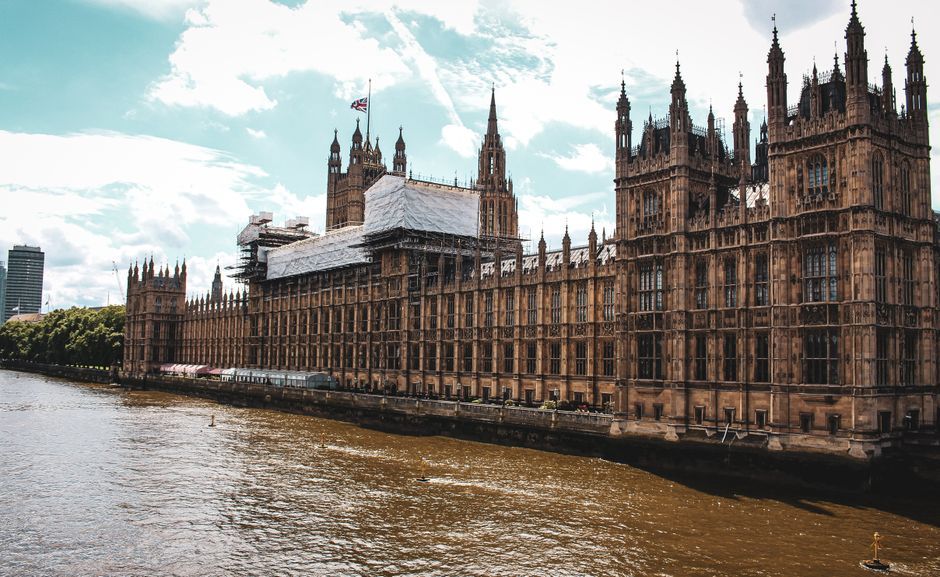
Stock photo for illustration only, not from the actual event
The Bank of England closely monitors services inflation and core measures, significantly raising the probability of an interest rate hike next month. The services sector, encompassing industries from legal and banking services to retail, hospitality, and tourism, constitutes the vast majority of the UK economic output. Moreover, the updated inflation figure determines the annual uprating for tens of billions of pounds in welfare payments next April, with benefits such as personal independence payment (PIP) and carer's allowance legally required to rise in line with September's consumer price index (CPI), alongside a 3.9% state pension increase.
Context and Analysis: Crafting a national budget under high inflation and escalating debt highlights the difficult trade-offs governments face when external geopolitical shocks drive up energy and borrowing expenses. Policymakers must continually navigate between fiscal discipline to reassure financial markets and targeted support for citizens burdened by high living costs.
As UK borrowing costs climb alongside advanced economies amid intensified conflicts in the Middle East, the government has launched pro-growth pre-Budget announcements, such as the Jackdaw gas field decision. While sending a directional signal to the markets, it leaves the fundamental trade-off between providing consumer relief and convincing investors largely unchanged.
Source: BBC Business
Found something wrong in this article? Report an issue with this article
Comments
Leave a Comment