

Drought conditions may worsen before improving as little rain in sight
UK authorities warn that parched areas face prolonged dry weather as July records historic lows in rainfall alongside soaring temperatures.
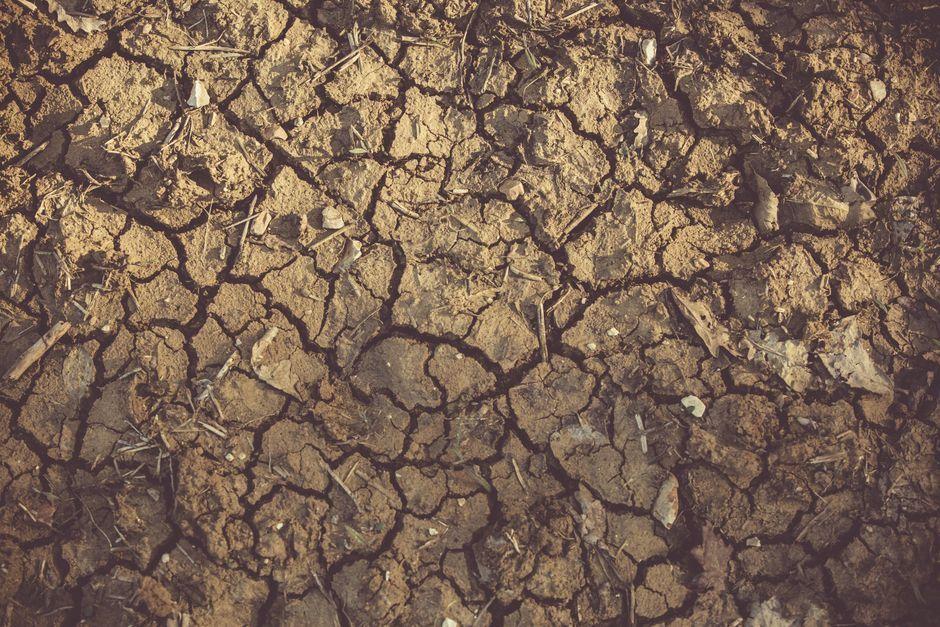
Stock photo for illustration only, not from the actual event
- Natural Resources Wales (NRW) has extended its drought declaration to cover the entire country.
- The Environment Agency reports that more than half of England is currently experiencing drought.
- Wales received only 8% and England just 7% of its long-term average rainfall for July.
- August forecasts point towards warmer and drier-than-average conditions, risking further deterioration.
Conditions in the most parched areas across the United Kingdom could deteriorate further before any improvement arrives, according to recent meteorological forecasts. The upcoming days will provide little relief to regions most in need of precipitation, including eastern, central, and southern England, alongside the entirety of Wales.
At the same time, the broader forecast for August indicates a persistent trend toward warmer and drier-than-average weather patterns. This follows the decision by Natural Resources Wales (NRW) on Thursday to extend its drought declaration across the entire country, noting that high temperatures are causing the natural environment to deteriorate.
The announcement closely mirrors a similar move by the Environment Agency on Wednesday, which plunged over half of England into official drought conditions. While some parts of the UK can anticipate scattered rain showers through Friday and into the weekend, regions already under drought restrictions in England and Wales are expected to remain dry.
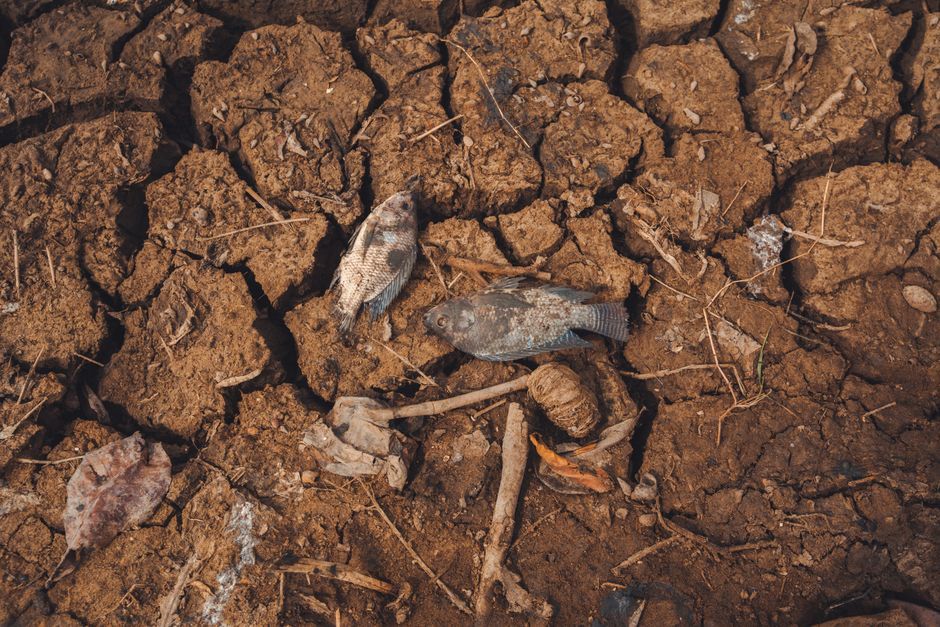
Stock photo for illustration only, not from the actual event
Statistical breakdowns reveal that Wales received a mere 8% of its long-term average rainfall for July, putting it on track to record its driest July since records began 190 years ago. In England, the month brought only 7% of expected rainfall, plummeting to just 1% across southern parts of the country.
Summer rainfall often fails to alleviate drought because high daytime temperatures cause rapid evaporation, while quick downpours overwhelm the soil's absorption capacity. Reversing severe dry spells requires prolonged periods of steady rain over several weeks rather than isolated heavy showers.
"The toll on the environment, our land and agriculture is clear to see, with many of our teams still dealing with the aftermath of extensive wildfires which have devastated forestry, grassland and special habitats."
Rhian Thomas, Sustainable Water and Nature Manager at NRW
On Wednesday, the Environment Agency warned that persistent hot and dry weather is driving people to consume water faster than nature can replenish it. Looking ahead into August, forecasting trends suggest that drier and warmer conditions will persist, meaning drought conditions may worsen before they begin to improve.
Source: BBC Science & Environment
Found something wrong in this article? Report an issue with this article
Comments
Leave a Comment