

Europe Heatwave 2026: Death Toll Exceeds 50,000
New studies estimate over 50,000 excess heat deaths across Europe in summer 2026, while Paris logs 47 days above 30 degrees Celsius.

Stock photo for illustration only, not from the actual event
- Nature Health studies estimate over 50,000 heat-related deaths across 854 European urban areas in summer 2026.
- Climate change driven by fossil fuels is cited as responsible for about two-thirds of the fatalities.
- Paris recorded 47 days above 30 degrees Celsius, an unprecedented level since records began in 1947.
- HOTREC notes that cooling upgrades and building renovations present a heavy financial burden for small hospitality operators.
The toll of extreme weather is mounting across Europe, forcing the continent's tourism industry—historically resistant to air conditioning—to urgently adapt for safety rather than just comfort. The escalating temperatures are redefining how urban destinations manage summer travel.
According to two peer-reviewed studies slated for publication in Nature Health, extreme heat caused more than 50,000 excess deaths across 854 urban areas in Europe during the summer of 2026. Researchers from Imperial College London and the London School of Hygiene & Tropical Medicine attribute roughly two-thirds of these fatalities to climate change primarily driven by fossil fuel combustion. This figure dwarfs the previous worst summers on record, which stood at 28,000 deaths in 2003 and 29,000 in 2022.
The analysis spanned 30 countries—including European Union member states, the UK, Norway, and Switzerland—covering 40 percent of their combined populations. Popular tourist hotspots faced sharp criticism this season for lacking shaded infrastructure and air conditioning. Dr. Clair Barnes of Imperial College London told Skift that travelers heading south for summer might remain poorly equipped for dangerous temperatures sustained across southern and southeastern Europe.
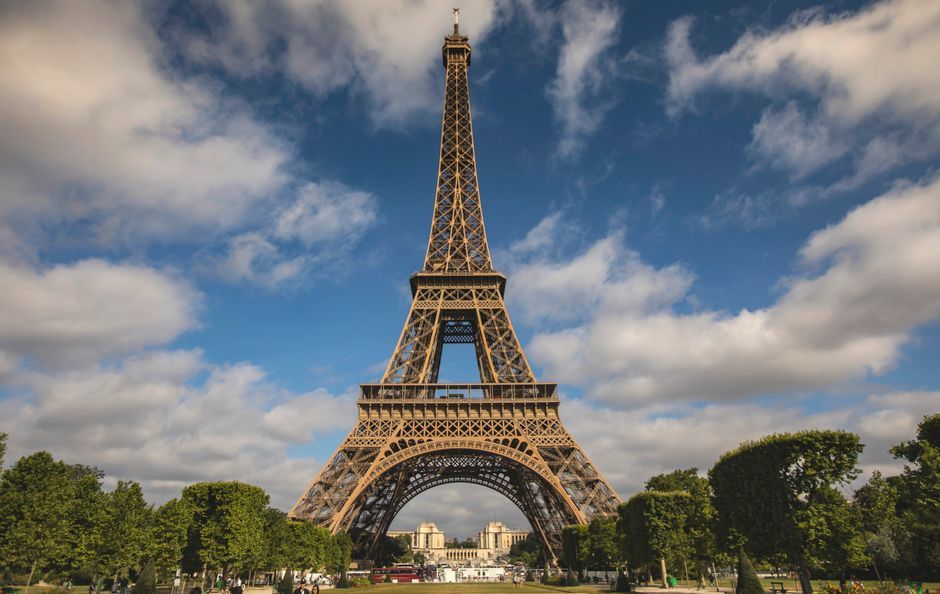
Stock photo for illustration only, not from the actual event
In Paris, the mercury climbed past 30 degrees Celsius for 47 days, an unprecedented milestone since record-keeping began in 1947. Cultural landmarks including the Louvre and the Eiffel Tower were forced into temporary closures, while events like Solidays and the Pride March were canceled. Overnight stays in the French capital dropped 7.2 percent during the July 7–13 heatwave following a modest 1.4 percent increase during the June heat wave.
"Cooling systems, energy efficiency work, and building renovations are a financial strain for smaller operators."
Jasper Dober, HOTREC Spokesperson
The severe European heatwaves illustrate a structural shift in global travel patterns, where traditional summer hotspots face climate-driven risks that could permanently alter traveler behavior and demand for 'coolcations'. Destination management organizations must now factor climate resilience directly into their urban planning to protect both residents and visitors against escalating seasonal temperatures.
Jasper Dober, spokesperson for hospitality association HOTREC, emphasized that heat is becoming an escalating health and safety risk for both guests and employees. However, he cautioned that it remains premature to link summer 2027 booking shifts directly to extreme heat without concrete supporting data.
To mitigate future risks, researchers recommend implementing comprehensive heat health warning systems, establishing public cooling spaces, and modernizing building infrastructure with air conditioning in public zones.
Source: Skift
Found something wrong in this article? Report an issue with this article
Comments
Leave a Comment