

Andy Burnham suggests stockpiling tinned food and bottled water
Prime Minister Andy Burnham advises UK citizens to store three days' worth of bottled water and tinned food to prepare for crises.

Stock photo for illustration only, not from the actual event
- PM Andy Burnham advises stockpiling three days of food and water
- Measures aimed at preparing for natural disasters and cyber threats
- Government checklist includes FM radios, torches, and power banks
Prime Minister Andy Burnham has advised the public to build a stockpile of tinned food and bottled water to ensure readiness for unexpected emergencies. Amidst severe storms battering the United Kingdom and the aftermath of online disruptions caused by major security flaws, Burnham noted that unforeseen events are appearing to happen with increasing frequency.
The government has established formal recommendations urging households to maintain a three-day supply of bottled water and non-perishable food to navigate crises such as military conflict, cyber-attacks, or natural disasters. During the Labour conference last month, Housing Secretary Angela Rayner humorously remarked that her emergency box would feature a bottle of wine, though she would ultimately stick to essentials like tinned beans and soup.
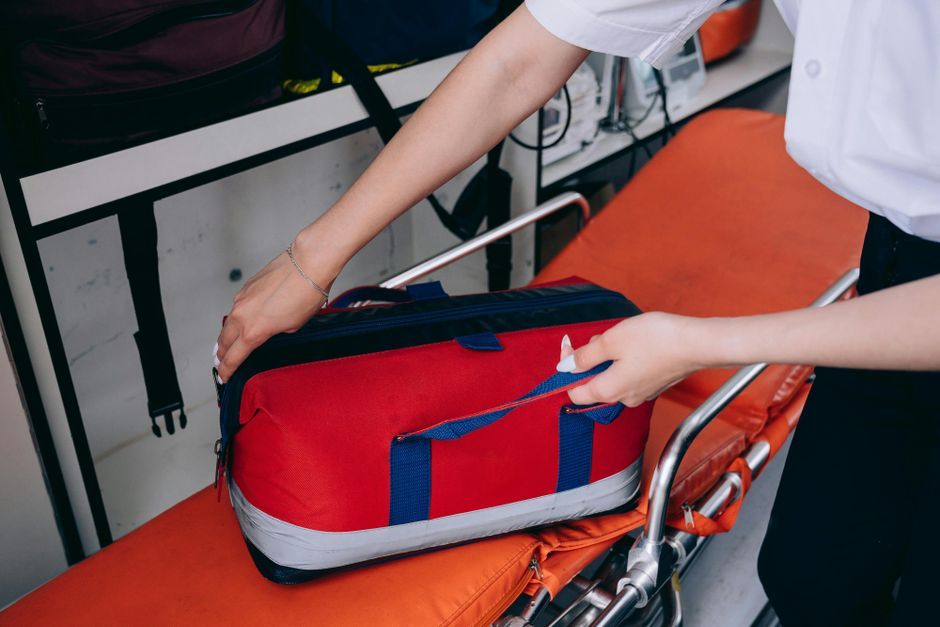
Stock photo for illustration only, not from the actual event
Last month, the National Audit Office (NAO) issued warnings that Britain's food supply chain remains vulnerable due to escalating cyber-attack threats and the climate crisis, stating that the Department for Environment, Food and Rural Affairs (Defra) had fallen short in reinforcing supply chain resilience.
Government advisories encouraging household stockpiling highlight growing systemic risks to modern critical infrastructure, where digitized supply chains and climate volatility intersect. Encouraging citizens to maintain a 72-hour self-sufficiency buffer is a standard civil preparedness measure designed to prevent immediate strain on emergency services during sudden disruptions.
The official government checklist of recommended emergency supplies includes:
- Nine litres of water per person to cover a three-day period
- Non-perishable food items such as tinned meat, vegetables, or dried fruit
- An FM radio powered by batteries or a hand-crank mechanism
- Hand sanitiser, wet wipes, and essential toiletries
- Pet food and supplies for infants
- A torch, thermal blankets, and a charged power bank
- Physical cash in case digital payment systems fail
- A comprehensive first aid kit and copies of important documents
Meanwhile, Treasury minister James Murray told BBC Breakfast that while he has not fully implemented the stockpiling guidance yet—aside from keeping a coffee reserve—he pointed out that neighboring European nations like Ireland, France, and the Netherlands have maintained similar advice for quite some time. Conversely, Conservative leader Kemi Badenoch stated on the same programme that she is permanently stocked up for the week ahead.
Source: BBC Politics
Found something wrong in this article? Report an issue with this article
Comments
Leave a Comment