

Serbia election: Veteran ruler Vučić concedes to student protest
Serbian leader Aleksandar Vučić concedes defeat in snap parliamentary elections following a powerful anti-corruption student protest movement.

Stock photo for illustration only, not from the actual event
- Serbian long-standing leader Aleksandar Vučić has admitted defeat in snap parliamentary elections.
- The elections followed a massive student-led protest movement triggered by a fatal railway station canopy collapse in Novi Sad.
- The anti-corruption Student List fielded diverse candidates across society into the 250-member parliament.
- Widespread celebrations erupted across Belgrade and other cities as preliminary figures showed record voter turnout.
A wave of elation swept across Serbia as the nation's long-standing political figure, Aleksandar Vučić, conceded defeat in snap parliamentary elections following a powerful challenge from a student-led protest movement.
The right-wing populist leader, who served two terms as president and sought to return as prime minister, admitted that his Serbian Progressive Party (SNS) had lost the election during a late-night announcement at party headquarters in Belgrade.
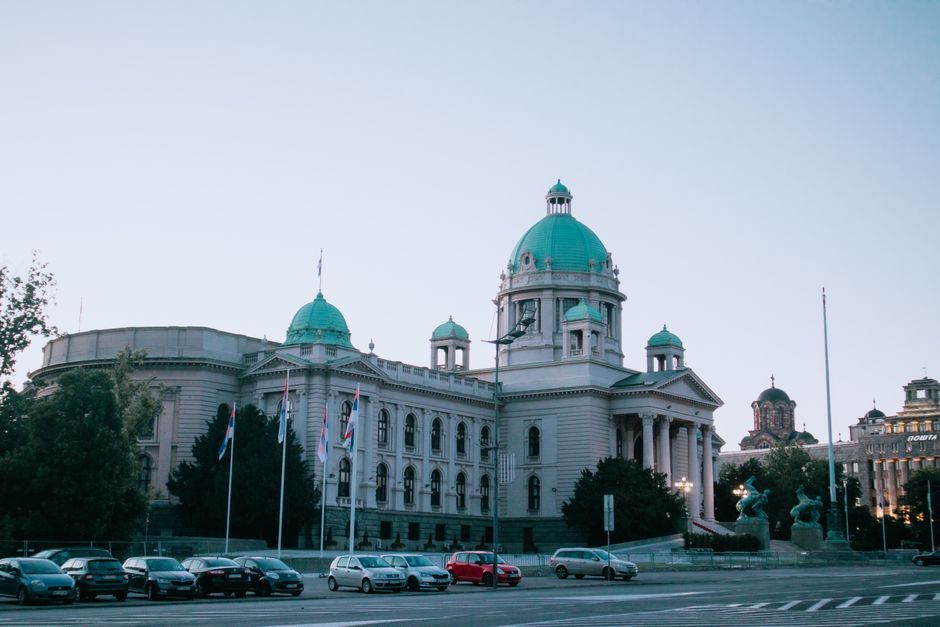
Stock photo for illustration only, not from the actual event
The anti-corruption movement gained massive momentum after two years of widespread protests. These demonstrations were originally sparked by the tragic collapse of a railway station canopy in the northern city of Novi Sad, which claimed 16 lives and became a focal point for public anger over alleged government negligence and corruption.
In response to the crisis, the decentralized Student List fielded candidates from various professional backgrounds—including doctors, actors, academics, and sports personalities—to contest seats in the 250-member national parliament, successfully capturing the frustration of anti-government voters nationwide.
"Everything is going to get better now."
David Vasić, celebrating resident in Novi Sad
The student movement campaigned on a stringent platform aimed at purging officials who cracked down on protesters, removing political loyalists from public enterprises, and freeing the state broadcaster from political interference. Meanwhile, preliminary election data revealed a record-high voter turnout of 64.9%.
This unexpected political shift marks a critical turning point for Serbia, demonstrating how grassroots civic movements without traditional political leaders can successfully mobilize the electorate against entrenched authorities. The outcome signals a strong public demand for institutional transparency and systemic anti-corruption reforms, which will likely redefine the country's domestic politics and its path toward European Union integration.
Source: BBC World
Found something wrong in this article? Report an issue with this article
Comments
Leave a Comment