

Ex-FBI chief James Comey faces federal charges for third time
Federal prosecutors move to charge former FBI Director James Comey over a 2016 media leak, marking the third time the Trump administration has pursued criminal charges against him.

Stock photo for illustration only, not from the actual event
- Federal prosecutors filed court papers to charge former FBI Director James Comey with leaking national defense information.
- This marks the third time the Justice Department has moved to bring criminal charges against the long-time Trump critic.
- Comey's defense team argues the case may exceed the 10-year statute of limitations and involves past scrutinized disclosures.
- A federal judge concurrently ruled that the Trump administration unlawfully fired Comey's daughter from her prosecutor role.
Federal prosecutors have taken official steps to charge former Federal Bureau of Investigation Director James Comey with leaking national defense information, according to a recent court filing. The three-page document outlines two counts, which Comey's legal representatives noted stemmed from an alleged disclosure of classified material to The New York Times back in October 2016 while he was leading the agency.
James Comey has vehemently denied any wrongdoing through a video statement published on Substack, characterizing the accusations as an appalling abuse of power. The charges were brought forward in Washington DC via a criminal information document, which is filed directly by prosecutors rather than passing through a grand jury review process.
Patrick Fitzgerald, defense counsel for Comey, stated that two separate prosecution teams had previously investigated the alleged disclosure made to The New York Times a decade ago during the first Trump administration. He emphasized that on both occasions, the government concluded that no criminal charges should be brought against anyone, prompting his legal team to file a motion seeking a full dismissal.
"Both times the Government determined that no charges should be brought against anyone."
Patrick Fitzgerald, defense counsel for James Comey
Former federal prosecutor Glenn Kirschner told BBC that the current case may have surpassed the 10-year statute of limitations, giving the defense's motion to dismiss a very strong probability of success. Kirschner further suggested that the legal actions against Comey appeared to be a revenge-motivated effort by Donald Trump to leverage the Department of Justice until something sticks.
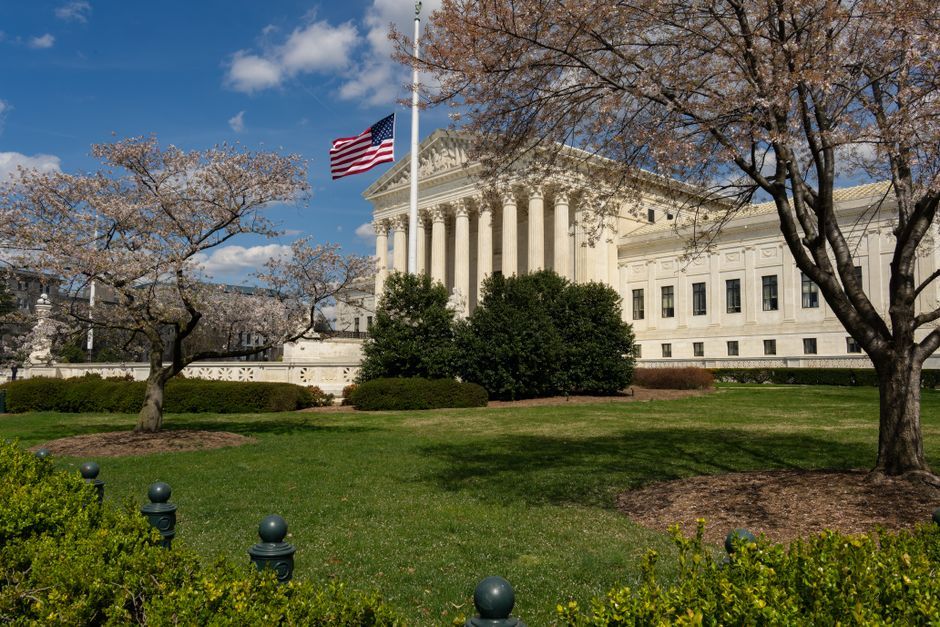
Stock photo for illustration only, not from the actual event
The ongoing legal battles between James Comey and the Justice Department under Donald Trump's administration highlight a deeply entrenched political feud dating back to Comey's termination as FBI director in 2017 amid investigations into Russian interference in the 2016 presidential election. The repeated attempts to prosecute Comey across multiple fronts—ranging from congressional testimony disputes and social media posts to a decade-old leak allegation—underscore broader debates concerning executive power, prosecutorial discretion, and the institutional independence of federal law enforcement agencies.
Prior to this development, Comey was indicted by a grand jury in September 2025 on allegations of lying to Congress and obstructing proceedings, though that case was dismissed that November. In April 2026, he surrendered to authorities regarding an Instagram post featuring beach seashells that prosecutors argued threatened Trump's life, a case that remains ongoing.
The latest federal charges were unveiled on the same day a federal judge ruled that the Trump administration illegally terminated Maurene Comey, James Comey's daughter, from her position as a federal prosecutor in New York in July 2025. The judge ordered the administration to reinstate her position and provide back pay after determining she was wrongfully fired due to her family ties and perceived political views.
Source: BBC World
Found something wrong in this article? Report an issue with this article
Comments
Leave a Comment