

England and Wales on course for driest July on record
Met Office reports drastically low rainfall breaking 1911 records, alongside official droughts and spreading wildfires.
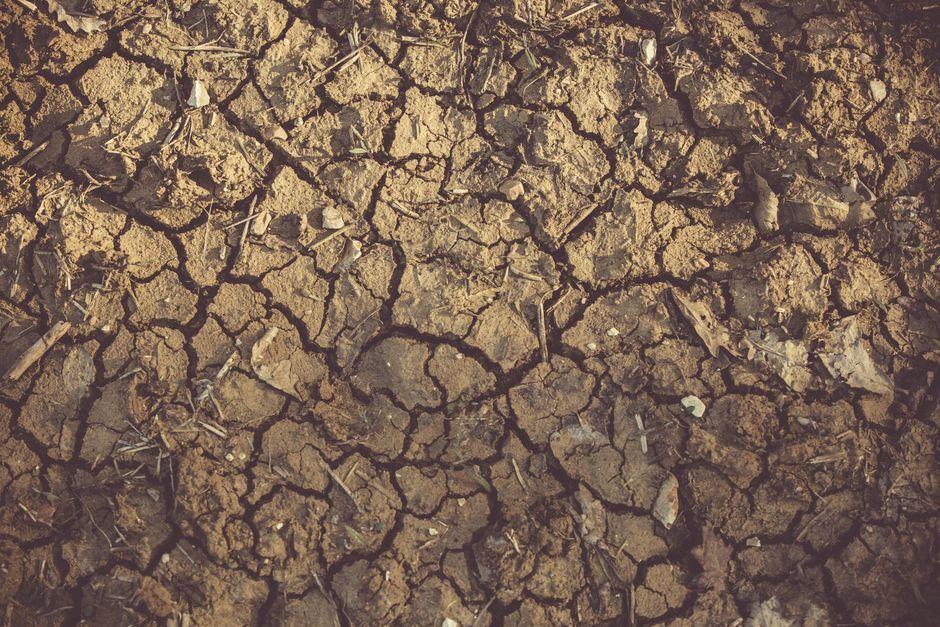
Stock photo for illustration only, not from the actual event
- England and Wales head toward their driest July in 190 years of records.
- England records just 5.6mm of rainfall, only 8% of its long-term average.
- Over 20 million people are currently restricted by hosepipe bans.
- UK Health Security Agency estimates a surge in heat-related deaths.
England and Wales are on course to experience their driest July since records began 190 years ago, according to the latest figures. The Met Office reports that up to 30 July, England has received a mere 5.6mm of rainfall, which accounts for just 8% of its long-term meteorological average for the month and less than half of the previous record of 13.4mm set back in 1911.
Meanwhile, Wales has logged 7.9mm of rainfall, also sitting at 8% of its long-term monthly average and nearly a third of its previous record of 22.6mm, which was likewise set in 1911. For the UK as a whole, the nation is currently on track for its third driest July overall and the driest since 1868.
These dire conditions follow official drought declarations spanning over half of England and the entirety of Wales. On Wednesday, the Environment Agency declared a flash drought across more than half of English territory as water is consumed far quicker than natural replenishment can occur. Notably, Wisley in Surrey marked 44 consecutive days without recording any rainfall by 30 July.
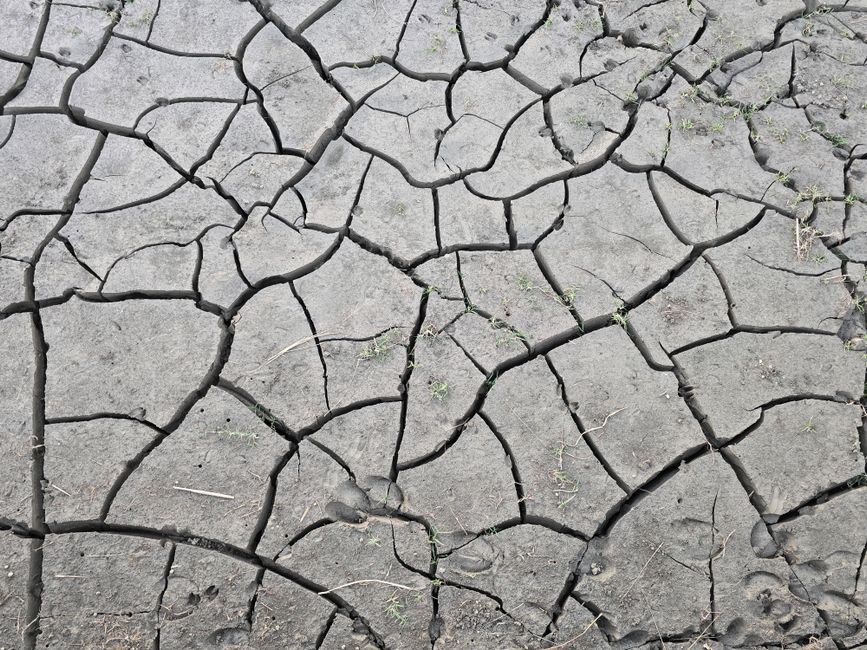
Stock photo for illustration only, not from the actual event
The drought has triggered severe impacts, ranging from depleted river flows and early harvests to strict hosepipe bans affecting over 20 million residents attempting to conserve dwindling water supplies. The combination of scorching weather and bone-dry terrain has drastically elevated wildfire risks. A major incident was declared in Suffolk on Wednesday as firefighters battled a blaze the size of 200 football pitches, while a separate wildfire in Scotland's Cairngorms burned for two weeks and ravaged 10 square miles of moorland.
The convergence of flash droughts and intense heatwaves highlights the accelerating pressures of changing climate patterns on the UK. Extended dry spells combined with extreme temperatures accelerate evaporation rates, causing a cascade of stress across ecosystems, agriculture, and public infrastructure that demands more proactive disaster management.
Adding to the environmental strain, July 2026 is shaping up to be one of the warmest on record across the UK. Provisional Met Office statistics up to 30 July indicate that Wales is heading for its warmest July in terms of mean temperature, while England tracks toward its joint warmest and Northern Ireland its third warmest.
Furthermore, the UK Health Security Agency estimates that England is on track for the highest number of heat-related fatalities since records began. A preliminary assessment revealed approximately 2,877 heat-related deaths during the May and June heatwaves—nearly doubling the total from the entire previous year. The nation has already endured seven days exceeding 35C this year, surpassing the previous record of five set in 1976.
Source: BBC Science & Environment
Found something wrong in this article? Report an issue with this article
Comments
Leave a Comment