

Bowen: Plan for Hamas to disarm faces big obstacles, yet it offers rare hope for Gaza
A new proposal for Hamas to lay down its weapons in exchange for an Israeli withdrawal presents a fragile diplomatic breakthrough amid deep-seated conflict.
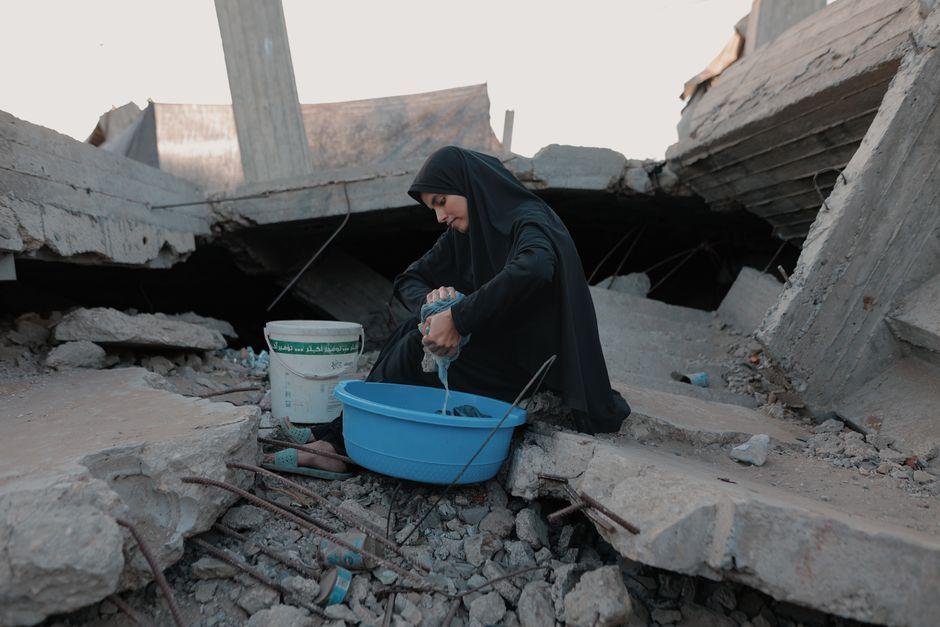
Stock photo for illustration only, not from the actual event
- Hamas has agreed to disarm in Gaza under Donald Trump's proposed plan for the region.
- The core bargain involves Hamas surrendering weapons while Israel pulls back from 70% of Gaza.
- Gaza faces catastrophic humanitarian conditions with extensive structural destruction.
- Domestic political pressures in Israel and the US pose major hurdles to the agreement.
A new proposition for Hamas to disarm in Gaza centers on a key bargain: as Hamas hands over its weapons, Israel pulls back from the 70% of Gaza that it occupies. While the concept sounds straightforward, the harsh realities of politics, warfare, total lack of trust, and massive casualties make the execution immensely complicated.
Life in Gaza remains catastrophic for more than 2 million Palestinian civilians enduring desperate conditions, with most homes and livelihoods obliterated by IDF military operations and organized infrastructure demolition by civilian contractors.
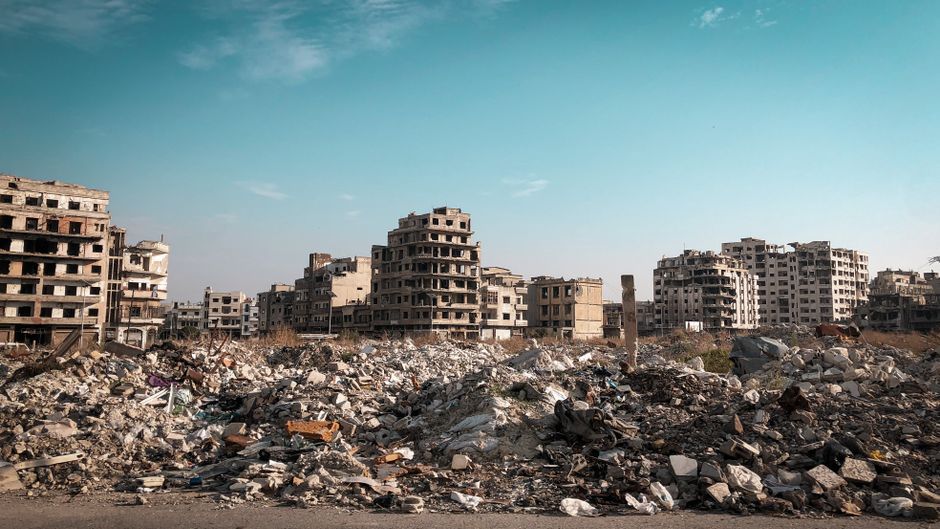
Stock photo for illustration only, not from the actual event
On the Israeli side, roughly 80% of the Jewish majority firmly believes Hamas remains a deadly threat until totally stripped of power, recalling the October 7, 2023 attacks that killed nearly 1,200 people and took 251 hostages. Conversely, Hamas faces severe pressure as most of its senior leadership and fighters have been killed by ongoing Israeli strikes.
Khalil al-Hayya, the newly confirmed political leader of Hamas, played a pivotal role in dropping objections to the framework, aided by diplomatic efforts from Egypt and Turkey. However, the plan's survival depends heavily on high-stakes political timelines, including Israeli Prime Minister Benjamin Netanyahu's upcoming election struggles and US President Donald Trump's need for a foreign policy win before the midterms.
Only a step-by-step agreement starting small can build the necessary confidence to make this framework work. Sustained diplomatic engagement and the avoidance of sudden shocks will be required to keep the fragile process alive.
Source: BBC World
Found something wrong in this article? Report an issue with this article
Comments
Leave a Comment