

Israel Election: Netanyahu Leads Partial Results Short of Majority
Partial Israeli election results show Benjamin Netanyahu leading rival Gadi Eisenkot, but falling short of a Knesset majority as Arab parties surge.

Stock photo for illustration only, not from the actual event
- Benjamin Netanyahu's bloc secured 53 seats, falling short of a Knesset majority
- Rival Gadi Eisenkot's opposition bloc is on track to win 48 seats with 85% counted
- Arab-led parties are projected to win an unprecedented 19 seats in parliament
- President Isaac Herzog reported a 27-year high voter turnout of 77.7% on Tuesday
Partial results from Israel's general election indicate a complex political landscape, showing veteran Prime Minister Benjamin Netanyahu ahead of his primary challenger, former military chief Gadi Eisenkot, while still missing a parliamentary majority.
With 85% of ballots processed, Netanyahu's Likud party alongside far-right and ultra-Orthodox Jewish allies are positioned to secure 53 seats within the 120-member Knesset. Eisenkot's Yashar party and three additional Jewish opposition factions in his bloc are targeted for 48 seats, with both leaderships claiming intent to build a ruling coalition.
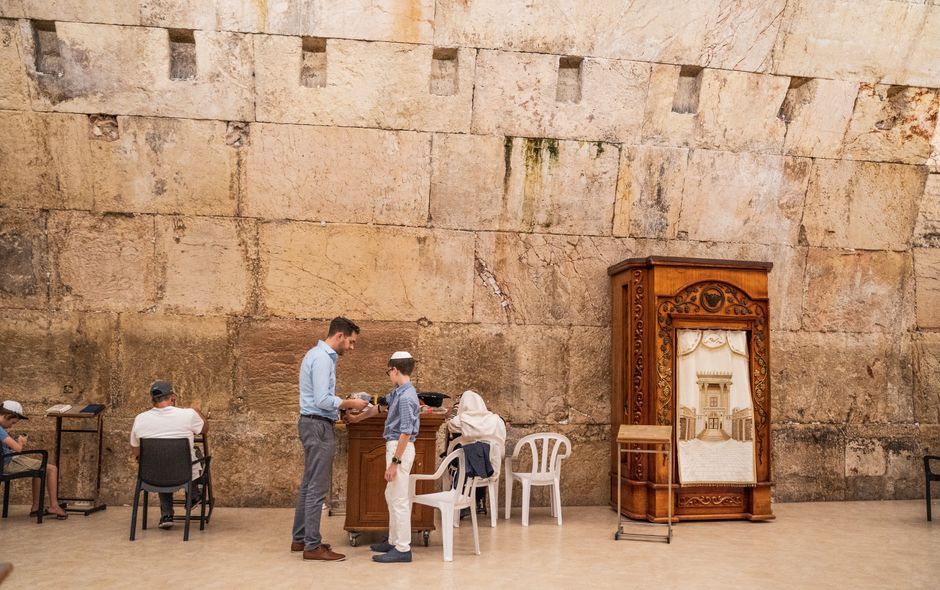
Stock photo for illustration only, not from the actual event
The dynamic is further complicated by Arab-led parties heading toward a historic 19 seats, potentially positioning them as vital kingmakers, though nearly all Jewish parties have ruled out cooperating with them.
Final confirmation may take days as between 430,000 and 480,000 absentee ballots from soldiers and diplomats remain uncounted. Once verified, President Isaac Herzog will consult political factions to task the most viable candidate with forming a government.
Should coalition attempts collapse, the nation could face the prospect of fresh elections. President Herzog emphasized the necessity of avoiding another round during a meeting at his Jerusalem residence.
"It is a badge of honour for Israeli society, and it was remarkable to see how deep the desire for democracy is in Israel."
Isaac Herzog, President of Israel
Herzog praised the 77.7% turnout observed during Tuesday's vote—the highest in over two decades—and urged all incoming political factions to engage in discussions with an open mind.
This election marks the first nationwide vote since the October 7, 2023 Hamas-led attacks and subsequent regional wars. Key electoral battlegrounds included military conscription exemptions for ultra-Orthodox men, accountability for security lapses, and the country's overarching nationalist direction.
Source: BBC World
Found something wrong in this article? Report an issue with this article
Comments
Leave a Comment