

Frontier Fares Rise But Profit Issues Persist
Frontier Airlines posts record quarterly revenue of nearly $1.4B after Spirit's exit, but still reports a $104 million net loss.

Stock photo for illustration only, not from the actual event
- Frontier reports record quarterly revenue of nearly $1.4 billion, up over 50%.
- Average ticket fares per passenger surged 71% alongside 1.5 million more travelers.
- The airline still posted a $104 million net loss amid soaring fuel costs.
- Management plans to slow capacity growth and retire 40 to 45 underused aircraft.
Following the permanent shutdown of its closest competitor Spirit Airlines in May after two Chapter 11 bankruptcy filings, Frontier Airlines has found itself benefiting from reduced market competition. The carrier has been able to substantially increase its ticket prices while seeing passengers continue to book flights across popular leisure destinations.
During its Wednesday earnings report, Frontier announced a record quarterly revenue of nearly $1.4 billion, representing a year-over-year increase of more than 50%. The average ticket fare revenue per passenger jumped by 71% to nearly $68, while the airline successfully carried nearly 1.5 million more travelers, marking an 18% increase compared to the previous year.
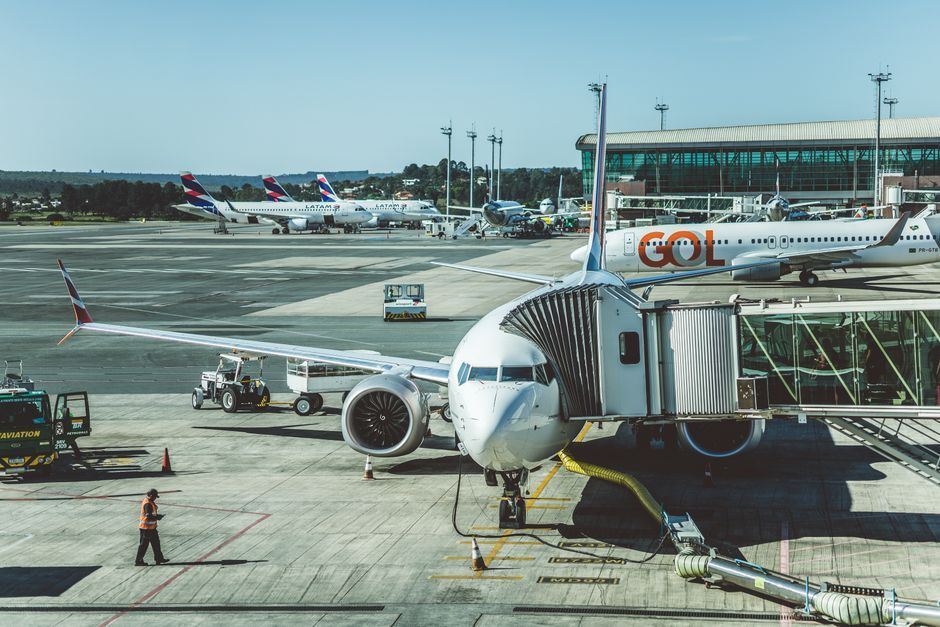
Stock photo for illustration only, not from the actual event
Despite these revenue gains, the airline continues to struggle with profitability, posting a net loss of $104 million for the quarter. The primary driver behind the financial strain was an 82% surge in fuel expenses, totaling $425 million. CEO Jimmy Dempsey noted that Frontier fully recovered these added fuel costs, whereas competitor United Airlines only managed to recover about 72%.
Regarding market share dynamics, CEO Jimmy Dempsey pointed out that roughly 30% of Frontier's business had previously overlapped with Spirit's routes in leisure markets. Commercial chief Bobby Schroeter added that Frontier has successfully backfilled approximately a quarter of that available market opportunity.
The fact that an ultra-low-cost carrier like Frontier continues to log a net loss despite the removal of its main discount rival highlights the inherent fragility of the low-cost airline model when faced with severe fuel volatility. Excluding aircraft sale-and-leaseback gains, Frontier's true operating margin sat at a razor-thin 0.1%, starkly contrasting with Delta's roughly 9.5% and United's 6.9% operating margins.
To address these ongoing financial pressures, management has outlined a major strategic shift for the upcoming year. Frontier will slow its capacity growth to between 5% and 7%, down from previous rates of 20% to 25%, while shrinking its fleet by retiring 40 to 45 underused aircraft. Furthermore, the carrier plans to introduce first-class seating and Starlink Wi-Fi to enhance passenger experience. Leadership also warned that the airline could post an adjusted loss in the fourth quarter as fuel expenses add more than $100 million above prior forecasts.
Source: Skift
Found something wrong in this article? Report an issue with this article
Comments
Leave a Comment