

Water pollution remains high despite £5bn investment
First joint regulators' report shows environmental performance of UK water companies hit record lows despite £5bn spent over five years.

Stock photo for illustration only, not from the actual event
- First joint report published by four water regulators in England and Wales
- Water companies awarded a record-low 16 out of 36 stars for performance
- Serious pollution incidents remain high despite £5bn invested over five years
- Customer bills expected to rise by an average of 36% to fund network upgrades
The environmental performance of water companies deteriorated further over the past year despite substantial industry investment, according to the first-ever joint report by the sector's regulators published on 29 October 2026. While firms were commended for reducing service disruptions, the persistence of serious environmental pollution has remained a major concern that continues to frustrate the public.
Alan Lovell, chair of the Environment Agency (EA), stated that the findings exposed severe underperformance across the industry, falling far short of the standards demanded by both regulators and the public. Currently, four distinct bodies oversee water companies in England and Wales: the EA, Natural Resources Wales, Ofwat, and the Drinking Water Inspectorate. This report marks the inaugural collaborative assessment, aligning with Prime Minister Sir Keir Starmer's government commitment to merge these entities into a single regulatory body.
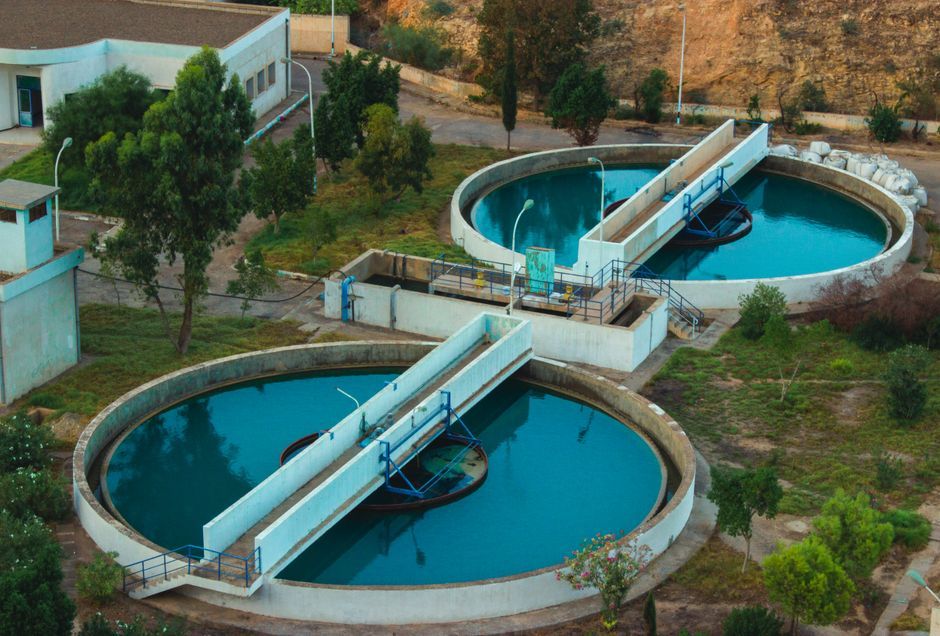
Stock photo for illustration only, not from the actual event
On environmental performance, the report's assessment was deeply critical. English water companies were awarded a combined total of just 16 stars out of a possible 36, marking the worst performance total on record. In Wales, Dŵr Cymru Welsh Water received a two-star rating out of four from Natural Resources Wales. The EA explained that this decline stemmed from worsening performance in specific areas alongside tightened regulatory standards.
A total of £5 billion has been invested over the past five years to tackle environmental pollution, and companies have pledged record-level investments up to 2030 to upgrade sewage treatment works and networks. However, these massive infrastructure upgrades are expected to drive customer bills up by an average of 36%.
"These results expose the scale of underperformance across the sector."
Alan Lovell, Chair of the Environment Agency
Lovell further noted that not all firms have delivered the environmental improvement schemes for which they received funding. Moving forward, he emphasized that subsequent investments must successfully deliver cleaner waters, healthier habitats, and restored public trust. Compounding these pressures, data from September revealed that household complaints made to the Consumer Council for Water surged by 84% over a single year, hitting a 20-year high.
The ongoing crisis within the UK water sector highlights deep-seated structural challenges in maintaining aging infrastructure against the pressures of climate change and population growth. Consolidating multiple regulatory bodies into a streamlined single organization represents an effort to eliminate bureaucratic gaps and enforce accountability more swiftly across private utility providers.
Environment Secretary Dame Angela Eagle stated that she is demanding answers from failing companies, affirming the government's commitment to building a functional water system for billpayers. She noted that while turning the situation around will take time, record investments will ultimately secure supplies, support economic growth, and halt the discharge of raw sewage into rivers and seas.
Source: BBC Science & Environment
Found something wrong in this article? Report an issue with this article
Comments
Leave a Comment