

UK Think Tanks Warn of Painful Years and Falling Living Standards
Resolution Foundation reports working households will see incomes drop by 1,050 pounds, while IFS warns of the worst decade on record.

Stock photo for illustration only, not from the actual event
- Working-age households in the UK face a 1,050 pound or 3% drop in disposable income by 2029
- IFS warns the current decade will be the worst on record for household income growth
- OBR downgrades GDP growth forecast to 1% in 2027 and raises inflation to 3.4%
- Government announces 100 pound energy support payment for around 20 million households
Leading think tanks in the United Kingdom have warned that citizens face a painful multi-year period ahead as living standards are set to decline. According to the Resolution Foundation, typical working-age households will see their disposable income fall by 1,050 pounds, or 3%, between now and 2029. Meanwhile, the Institute for Fiscal Studies (IFS) stated that the current decade would mark the worst period for household income growth on record.
The Office for Budget Responsibility (OBR) attributed the difficult financial situation facing the UK to higher borrowing costs and rising inflation triggered by the US-Iran war.
To soften the blow from escalating energy prices, Chancellor Healey announced support measures, including a 100 pound payment designed to ease financial pressure on households. This aid is set to reach around 20 million households depending on their council tax band. However, the Resolution Foundation argued that this assistance would fall short of offsetting higher energy bills and asserted that the support should have been more heavily targeted toward the poorest households.
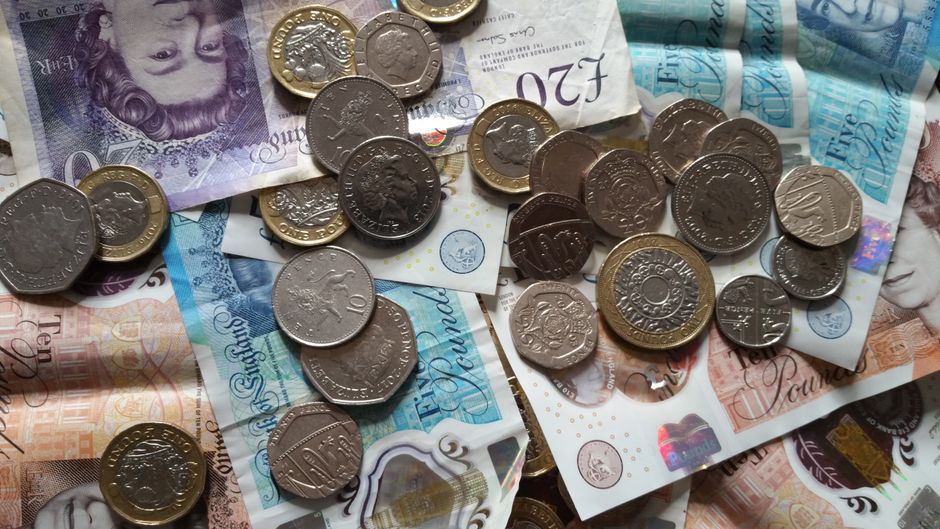
Stock photo for illustration only, not from the actual event
"This decade looks set to be the worst decade for growth in household incomes on record."
Institute for Fiscal Studies (IFS)
Alongside these updates, the OBR issued an economic forecast showing a slowdown in GDP growth from 1.2% in 2026 to 1% in 2027, which is a sharp downward revision from its March assessment. Furthermore, the OBR revised its inflation forecast for 2027 upward from 2% to 3.4%, while frozen tax thresholds continue to erode people's take-home pay.
From an economic perspective, enduring high inflation and elevated borrowing costs driven by external geopolitical shocks place severe constraints on domestic purchasing power. Short-term fiscal interventions like one-off support payments offer temporary relief, but long-term economic stability requires robust macroeconomic growth. Balancing debt reduction targets with adequate public welfare protection remains a central challenge for fiscal policy.
Healey maintained that energy bill assistance would create breathing space for most households. However, IFS director Helen Miller argued that temporary cost-of-living packages cannot fix structural stagnation, emphasizing that the country ultimately needs a stronger economy. Miller also noted mounting pressure on government spending plans throughout the parliamentary term, which remain critical to achieving deficit reduction targets.
Source: BBC Business
Found something wrong in this article? Report an issue with this article
Comments
Leave a Comment